
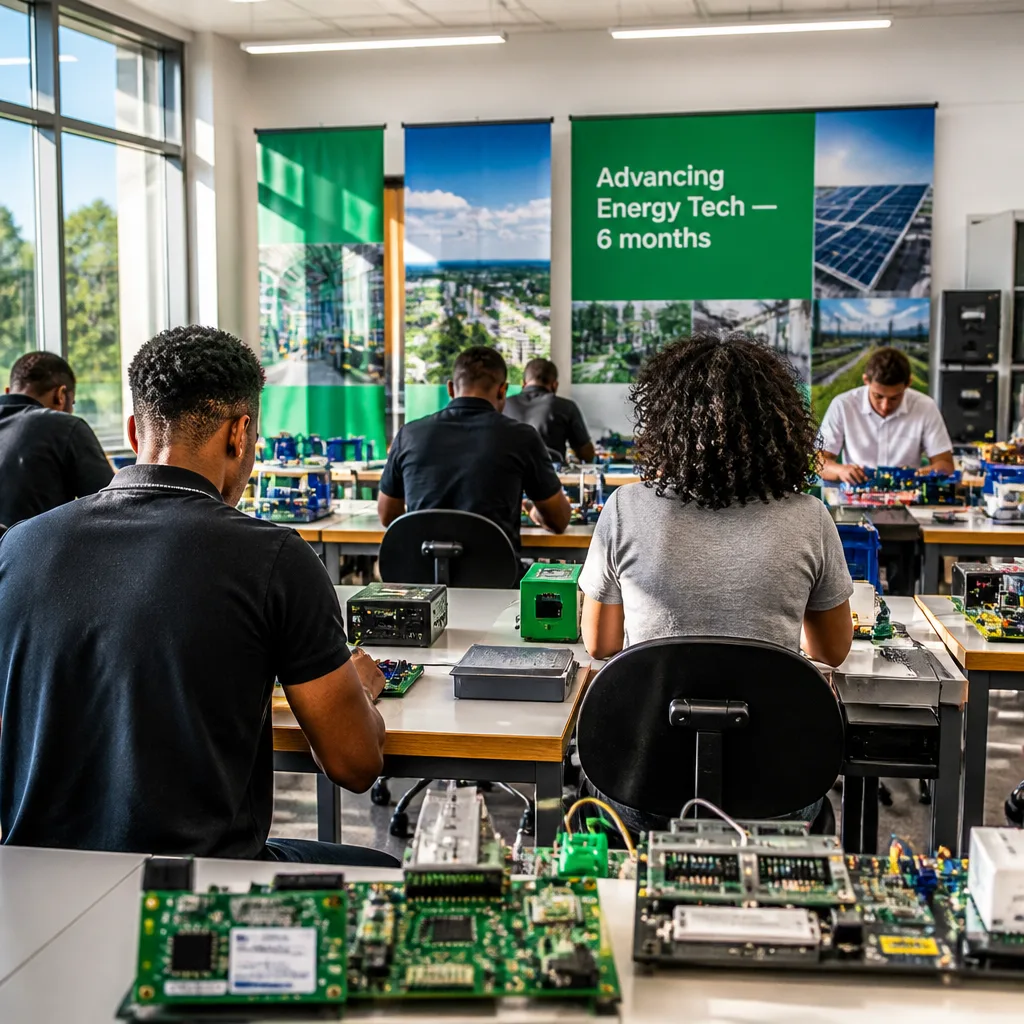
Schneider Electric has launched its Advancing Energy Tech mentorship programme across South, East and West Africa, with two South African institutions among the participating partners. The six‑month initiative pairs electrical engineering and technical students with Schneider Electric employees who have technical engineering backgrounds, aiming to ease the transition from campus to the energy and technology workplace.
Bridging classroom learning and industry expectations
According to the company, the programme forms part of its global VolunteerIn initiative and supports Schneider Electric’s Sustainability Impact 2030 ambition. It is designed to address the frequently reported gap between what students learn in tertiary education and what industry expects when graduates start their careers.
“There is often a gap between what students learn in the classroom and what industry expects when they begin their careers. The Advancing Energy Tech mentorship programme is designed to help bridge that gap by supporting electrical engineering and technical students as they transition from university or college into the workplace,”
The quote is attributed to Carina van Zyl, Corporate Citizenship Leader at Schneider Electric, who said the programme also gives employees an opportunity to share knowledge and create lasting value for both students and mentors.
Where the programme will run
Schneider Electric listed the participating training and tertiary institutions across the three African regions. South African partners named are the Cape Peninsula University of Technology (CPUT) and the University of Johannesburg (UJ). Other participating institutions include Nigeria’s University of Ibadan and Yaba College of Technology (YABATECH), Kenya’s St. Kizito Vocational Training Institute, and ECOLE TECHNIQUE DE KABGAYI (ETEKA) in Rwanda.
| Country | Institution(s) |
|---|---|
| South Africa | Cape Peninsula University of Technology (CPUT); University of Johannesburg (UJ) |
| Nigeria | University of Ibadan; Yaba College of Technology (YABATECH) |
| Kenya | St. Kizito Vocational Training Institute |
| Rwanda | ECOLE TECHNIQUE DE KABGAYI (ETEKA) |
The programme pairs students with Schneider Electric mentors who bring technical engineering experience. At the end of the six months a basic impact assessment will be conducted to evaluate outcomes for both students and volunteer mentors and to inform future development of the initiative, the company said.
Practical implications for students and the sector
- Workplace readiness: the mentorship is intended to expose students to practical skills and employer expectations not always covered in curricula.
- Employee engagement: Schneider Electric employees act as volunteer mentors, transferring institutional knowledge and industry norms.
- Programme evaluation: a basic impact assessment will measure the effectiveness of the placements and inform future iterations.
For South African students, the scheme offers access to mentors from a global energy technology company at a time when the sector seeks a pipeline of technicians and engineers who can work across power, automation and digital systems. The company did not provide details on the number of student placements per institution or the selection criteria applied for mentees and mentors.
Schneider Electric’s regional rollout highlights a dual focus on developing technical skills and embedding corporate social responsibility through employee volunteering. The company characterised the initiative as creating “meaningful opportunities” for both students and mentors while supporting local communities as part of its broader sustainability agenda.
Further information on how students can participate or how institutions were selected was not included in the company’s summary of the programme.










