
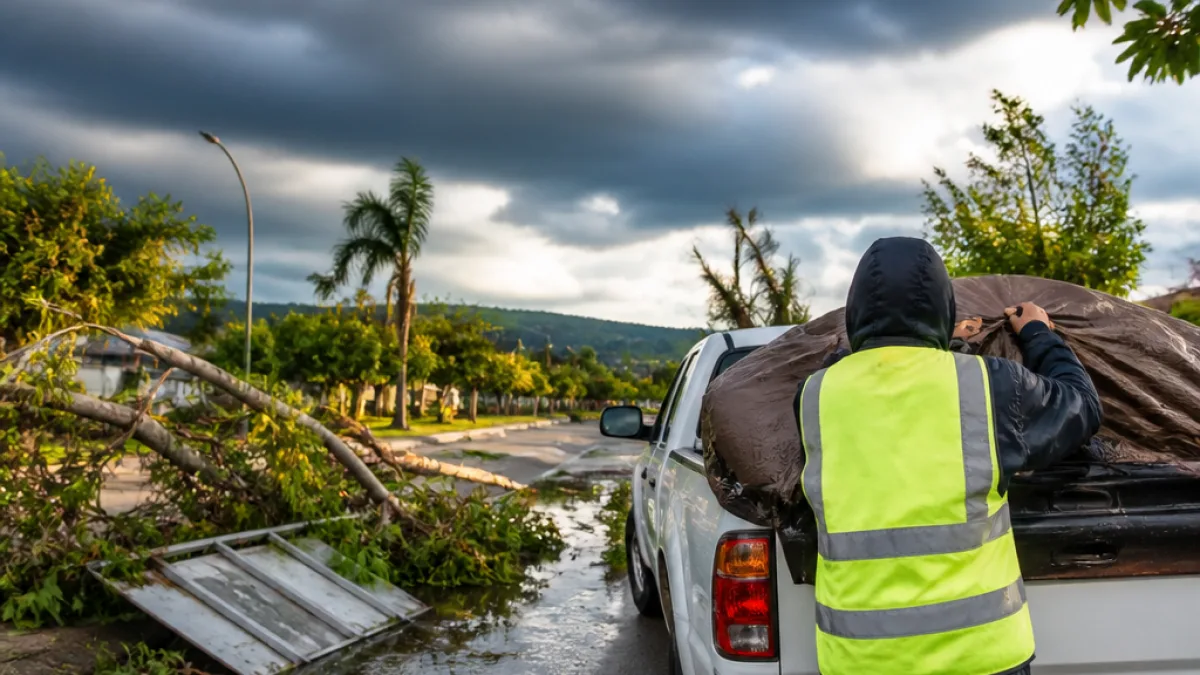
The South African Weather Service (SAWS) has issued weather advisories that include the prospect of disruptive rainfall and strong winds that could affect parts of Mpumalanga, particularly the lowveld, along with several other provinces.
What to expect locally
SAWS forecasts a continued chance of showers reaching into the Mpumalanga lowveld, with conditions that may be driven by an approaching frontal system. While the probability of rain for the province is lower than for coastal KwaZulu‑Natal, gusty winds are expected to extend over the interior and could reach strengths capable of damaging property and infrastructure.
“These conditions may stretch into Mpumalanga as we are still expecting a 30 percent chance of rain into the lowveld of Mpumalanga,” said SAWS forecaster Lehlohonolo Thobela.
Forecasters also point to stronger wind signals across neighbouring provinces — including Limpopo, Gauteng and parts of the North West — underscoring a regional event rather than an isolated incident.
Warnings and probabilities by area
| Area | Alert level / risk | Rain probability |
|---|---|---|
| Kwazulu‑Natal coast | Yellow Level 2 (disruptive rain) | 60 percent |
| Mpumalanga (lowveld) | Wind and showers expected | 30 percent |
| Limpopo, Gauteng, North West | Strong, potentially damaging winds | Not specified |
Local impacts and practical advice
Strong winds can topple trees, damage roofs, and bring down power lines — risks that are particularly acute for informal settlements and older structures. Heavy rain could lead to localised flooding in low‑lying areas and make some roads hazardous or impassable.
Residents, visitors and the tourism sector in Mpumalanga should consider the following precautions:
- Secure loose outdoor items such as signage, umbrellas and furniture.
- Avoid parking under large trees or next to unsecured structures when winds are strong.
- Check routes before travel and allow extra time; avoid driving through flooded sections of road.
- Keep mobile phones charged and have emergency numbers to hand, including local municipal contacts and SAPS.
- Tourism operators should review guest‑safety plans and shelter arrangements, especially in camps near rivers or on higher ground.
Motorists are advised to reduce speed where crosswinds or spray reduce visibility and to take care on elevated bridges and open stretches of road where wind exposure can be greatest. People planning river or sea activities should cancel outings while rough seas and strong coastal winds persist.
Energy, infrastructure and the tourism link
Mpumalanga’s economy relies heavily on energy‑intensive industries and a growing tourism sector. Severe winds and rain can strain local networks, leading to power disruptions or damage to access roads that serve game reserves and hospitality facilities. Eskom and municipal electricity services often monitor demand and network performance during unstable weather; residents are urged to report downed lines immediately and stay away from fallen cables.
For visitors, game drives and outdoor activities may be curtailed by poor visibility and slippery tracks. Operators are advised to communicate cancellations or safety adjustments to guests without delay to avoid marred experiences and ensure safety.
How warnings are issued
SAWS issues colour‑coded advisories based on expected impact and likelihood. A Yellow alert denotes that disruptive weather is possible and that people should be alert and take sensible precautions. Higher levels indicate increasing severity and required action.
Residents can follow SAWS updates on their website and official social channels for alerts and changes; local municipalities also publish information on road closures and emergency contact numbers when flooding or wind damage occurs.
While the likelihood of widespread, severe rainfall in Mpumalanga is lower than some coastal areas, the combination of gusty winds and scattered showers still poses a credible risk to safety and infrastructure. Those in affected areas are advised to monitor forecasts and act promptly should warnings be escalated.
Local authorities and emergency services will update the public if conditions deteriorate. In the meantime, exercising caution and preparing for brief disruptions will reduce the likelihood of harm and service interruptions.













