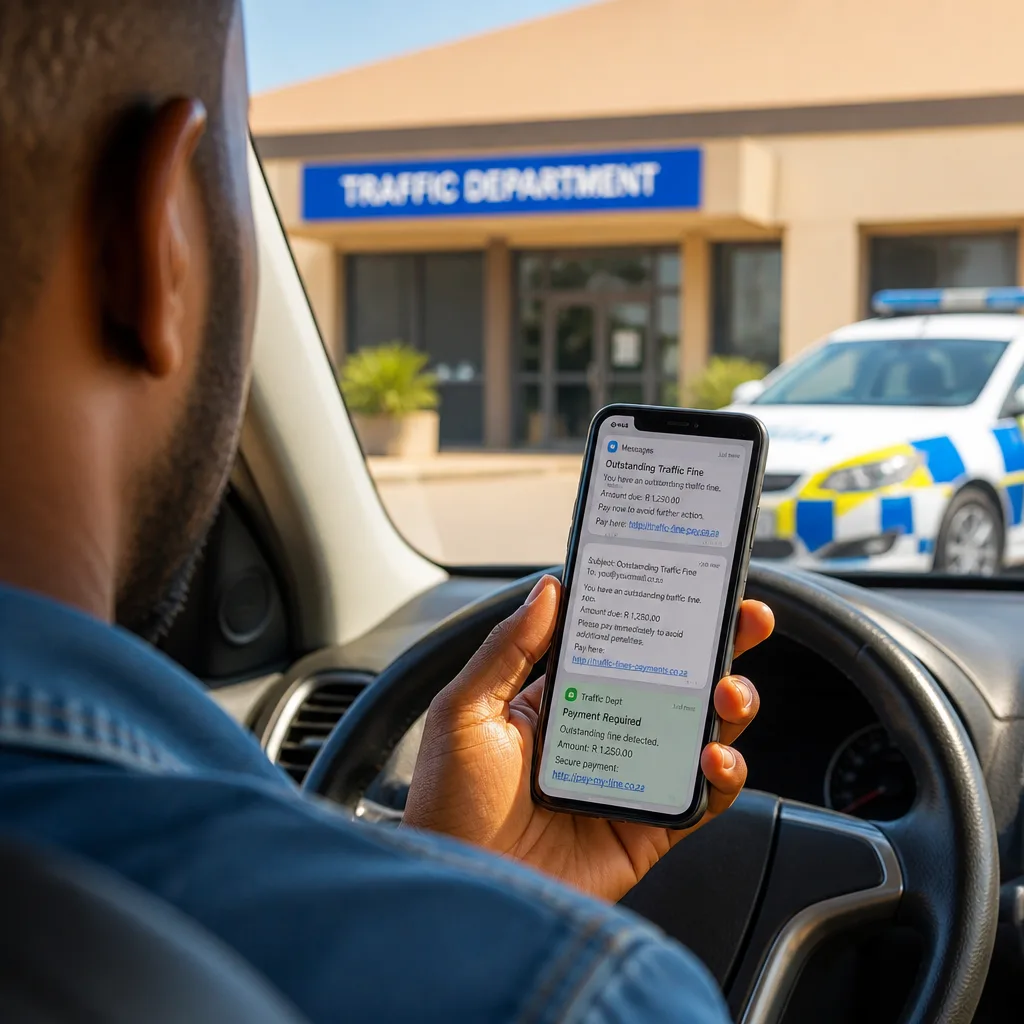
The South African Police Service (SAPS) has issued a national warning after receiving increased reports of scammers impersonating traffic authorities and pressuring motorists to pay fictitious fines following the expanded rollout of the Administrative Adjudication of Road Traffic Offences (AARTO) system.
Scam methods and impersonation
SAPS said fraudsters have been using unsolicited emails, SMS messages and phone calls that claim to represent the National Traffic Information System (NaTIS), municipal traffic services or other traffic authorities. The messages typically state that the recipient has outstanding traffic fines and demand immediate payment to avoid heavier penalties or legal action.
According to the police, these communications frequently contain links to fraudulent websites or payment portals designed to harvest personal and financial information. SAPS advised members of the public to exercise caution and to verify the authenticity of any infringement notice before making payments.
“Anyone who receives a suspicious message or suspects they have been targeted by fraud is advised not to make any payment, not to click on embedded links, and to report the matter to the South African Police Service,” SAPS said.
How to spot a likely scam
SAPS identified several common warning signs that motorists should look out for. The police highlighted that legitimate infringement notices are issued only through official channels and that payment should be made via recognised government or authorised platforms after verification.
- Unsolicited messages demanding urgent payment of traffic fines
- Threats of immediate legal action or escalated penalties unless payment is made at once
- Requests to click unfamiliar links or to provide banking and personal information
- Notices that lack accurate personal details, vehicle registration information or legitimate infringement reference numbers
Motorists who believe their financial information might have been compromised are urged to contact their banking institution immediately. SAPS also encouraged victims or targets of such scams to open a case at their local police station so that law-enforcement action can follow.
Context: AARTO rollout and opportunities for fraud
The warning follows the AARTO system's expanded implementation to 62 municipalities. SAPS and traffic authorities warned that the rollout has created opportunities for criminals to capitalise on public confusion about new processes and legitimate communications.
While AARTO aims to improve road-safety enforcement and administrative processing of traffic offences, the police message underscores the need for public awareness about how authentic traffic infringement notices will be communicated and paid.
| What SAPS advises | Action for motorists |
|---|---|
| Do not respond to unsolicited payment demands | Ignore the message and do not click links |
| Verify fines through official channels | Confirm with NaTIS or municipal traffic services before paying |
| Report suspected fraud | Open a case at a local police station and alert your bank if details were shared |
SAPS reiterated that legitimate traffic infringement notices will include accurate personal and vehicle details and a valid infringement reference number. Payments should be made only via official, recognised government or authorised payment platforms.
The police did not provide figures on how many motorists had been targeted or the value of payments lost to fraudsters. They emphasised reporting and verification as primary measures to protect members of the public while authorities continue to investigate and disrupt those responsible.