
WhatsApp’s decision to charge for categories of Business messages is forcing South African organisations to confront a familiar but under‑appreciated risk: the vulnerability that comes from building public‑facing services on a privately controlled communications platform.
What changed — and why the numbers matter
When Facebook bought WhatsApp in 2014, the deal was valued at about $22 billion (R352 billion). At the time the app’s global reach far outstripped any clear commercial model. More than a decade on, that transformation into a revenue‑generating asset is showing up in pricing changes for the WhatsApp Business Platform in South Africa.
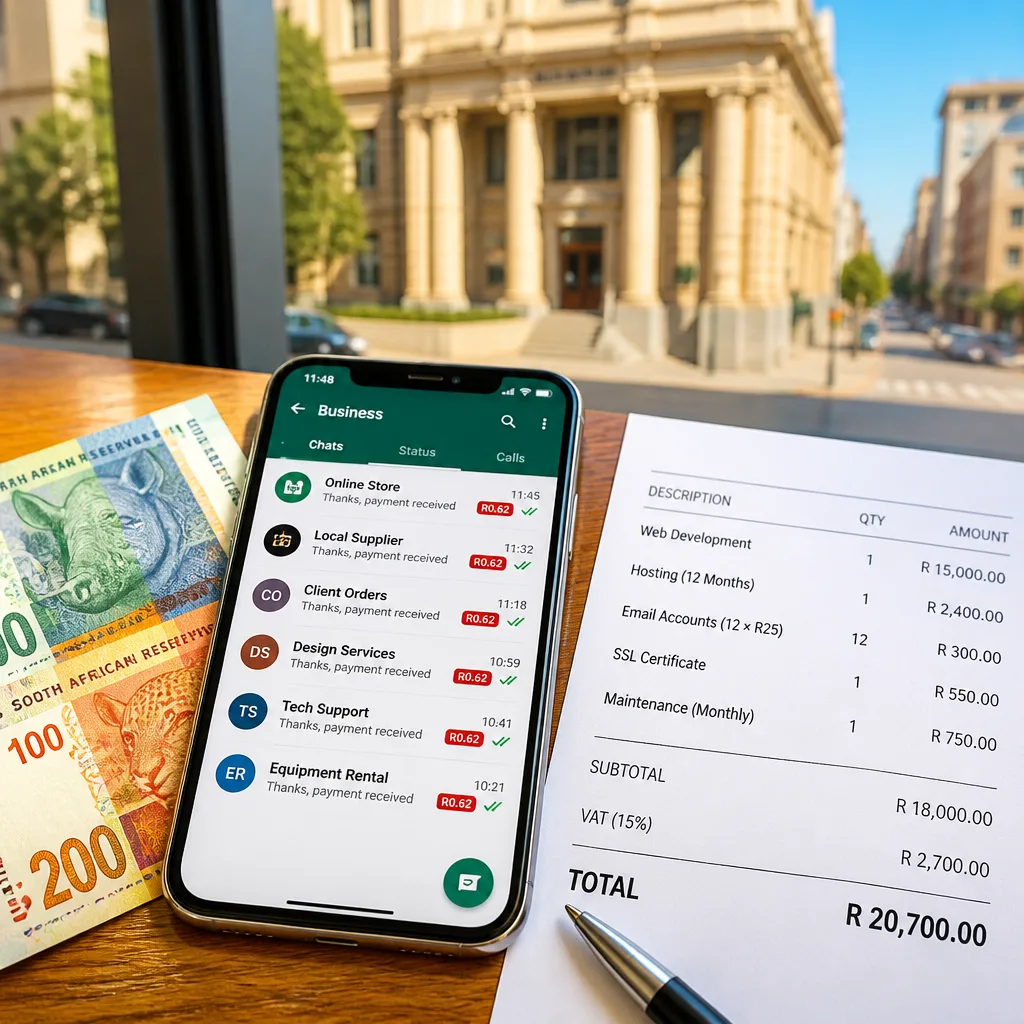
Under the new arrangements, different classes of Business messages attract different charges. A marketing message can cost roughly R0.62 each. That figure looks small for a single message — but at scale it adds up quickly:
- 1 million marketing messages ≈ R620,000
- 10 million marketing messages ≈ R6.2 million
| Volume | Cost (marketing messages) |
|---|---|
| 1,000,000 | R620,000 |
| 10,000,000 | R6,200,000 |
Where the cost pressure lands
South African banks, government departments and businesses have all embraced WhatsApp because it is widely adopted, familiar to consumers and relatively simple to integrate into contact centres and customer journeys. The platform is used for a range of purposes including authentication, customer support, marketing and transactional communication.
The new charges therefore directly affect those organisations’ operating costs. Beyond immediate budgeting concerns, the shift highlights a deeper strategic problem: dependency. Once an organisation restructures processes, retrains staff and conditions customers to expect service over a single app, switching to an alternative becomes expensive and logistically difficult.
Platform power and the limits of convenience
This dynamic is a classic platform economy problem. Network effects create convenience; convenience drives adoption; adoption fosters dependency. The consequence is a transfer of bargaining power to the platform owner, who controls access conditions, technical standards and commercial terms. That owner can decide the rules of participation in the ecosystem and, by extension, the cost of staying in it.
For South Africa this raises questions about resilience and public‑interest services. When government departments and financial institutions rely on a private platform for authentication or critical communications, pricing or policy changes by the platform can have downstream effects on citizen access and on the cost of delivering services.
Choices for organisations
Faced with rising fees, organisations have limited options. They can absorb the additional cost, pass it on to customers, reduce the volume of messages sent, or invest in alternative channels and infrastructure. Each path has trade‑offs: absorbing costs hits margins; passing them to customers risks exclusion; reducing messages may harm service levels; and building alternatives requires time and money.
What is clear is that a cheap, ubiquitous channel can hide structural risks until a pricing change makes them visible. South African organisations will need to weigh short‑term convenience against longer‑term control and resilience as they redesign customer journeys and communication strategies.
Key facts:
- Facebook purchased WhatsApp in 2014 for approximately $22 billion (R352 billion).
- WhatsApp Business now charges for message categories; a marketing message can cost about R0.62 each.
- At scale, message costs become material — 10 million marketing messages would cost roughly R6.2 million.