President Cyril Ramaphosa has urged BRICS partners to establish an international, independent scientific mechanism to evaluate artificial intelligence systems, arguing that governance must keep pace with rapid technological advances to protect human safety and promote inclusive development.
Why oversight matters, and what South Africa proposes
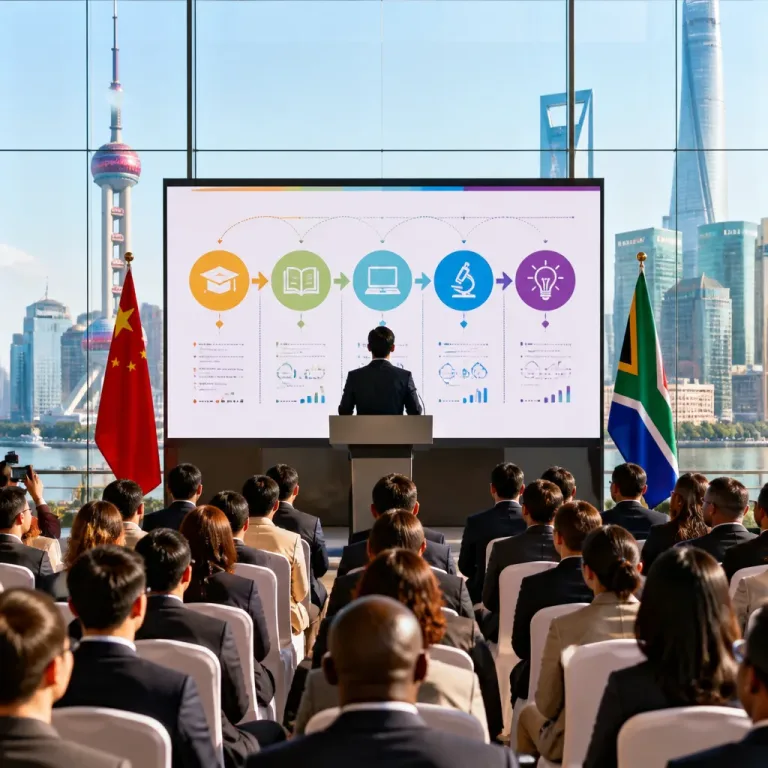
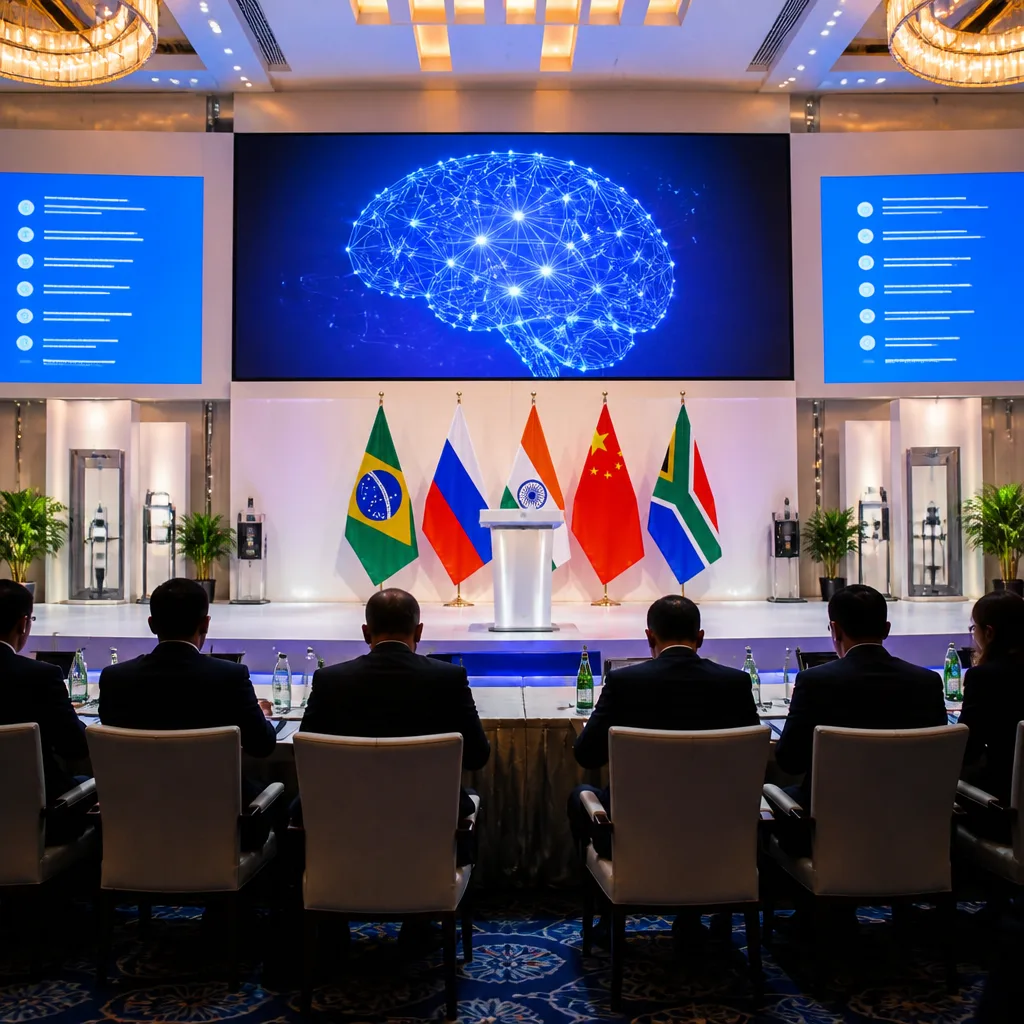
Speaking on the opening day of the 18th BRICS Summit in New Delhi during a session on shaping future inclusive growth, Ramaphosa framed artificial intelligence and related technologies as powerful tools that can help tackle inequality, poverty and underdevelopment — but only if they are managed responsibly.
He warned of a range of risks being flagged even by those building the most capable systems, and said South Africa supports tighter external checks on AI companies. The country has proposed that BRICS create an international mechanism for independent scientific assessment of AI. That proposal, Ramaphosa said, should be accompanied by:
- Meaningful human-control principles to ensure humans retain ultimate oversight;
- Mandatory reporting of serious incidents involving AI systems;
- Progressively stronger safeguards as systems become more powerful.
Ramaphosa noted that formal external audits and government oversight are common in other high-stakes industries, and pointed to their relevance for AI governance.
“We should therefore neither fear AI nor approach it recklessly. Our responsibility is to ensure that human governance advances as rapidly as artificial intelligence itself.”
Scope of the opportunity — and the danger
In his address, the President highlighted the productive uses of AI across several sectors. He said technology is demonstrating the potential to transform medicine, education, scientific discovery, agriculture, productivity and development — areas that, if steered correctly, could deliver tangible benefits for South Africans living with constrained resources.
At the same time, Ramaphosa echoed warnings from industry figures such as Dario Amodei, CEO of Anthropic, about capabilities that could produce severe harms. The President listed potential threats under discussion among developers and policymakers, including:
- Advanced cyber operations;
- Assistance in biological weapons development;
- Autonomous action without adequate human oversight;
- Manipulation and mass surveillance;
- Disruption of employment; and
- Systems whose capabilities may become difficult for humans to control.
| Area | Potential impact cited |
|---|---|
| Medicine | Faster discovery and improved diagnostics |
| Education | New learning tools and personalised instruction |
| Agriculture | Increased productivity and better resource use |
| Security | Risks from cyber operations and surveillance |
Ramaphosa emphasised that oversight should be comparable to regulation in other sectors that critically affect human safety and welfare — he named aviation, pharmaceuticals, nuclear power and financial institutions as examples where independent review and mandatory standards are established practice.
What this means for South Africa
The President’s proposal to pursue collective BRICS action signals South Africa’s interest in shaping international norms for AI governance rather than leaving regulatory frameworks solely to major technology companies or a handful of states. If adopted by BRICS, an independent scientific evaluation mechanism could influence how AI systems are tested, reported on and controlled before they are widely deployed.
For South Africans, the debate is more than academic: it touches on how AI is used in health care, schools, farms and the economy, and on protections against misuse that could deepen inequality or expose citizens to surveillance and job disruption. The call for mandatory incident reporting and human-control principles aims to reduce the chances of harmful outcomes while allowing beneficial applications to scale.
At the summit, the message was clear: AI’s promise comes with hazards that demand formal, international responses to ensure technology serves public well‑being and remains under accountable human governance.