
The Eastern Cape’s much‑publicised matric tablet programme — funded to the tune of R686 million — has not delivered the intended classroom impact, according to checks at schools across the province and an internal delivery report provided to the legislature.
Devices stored, not in learners’ hands
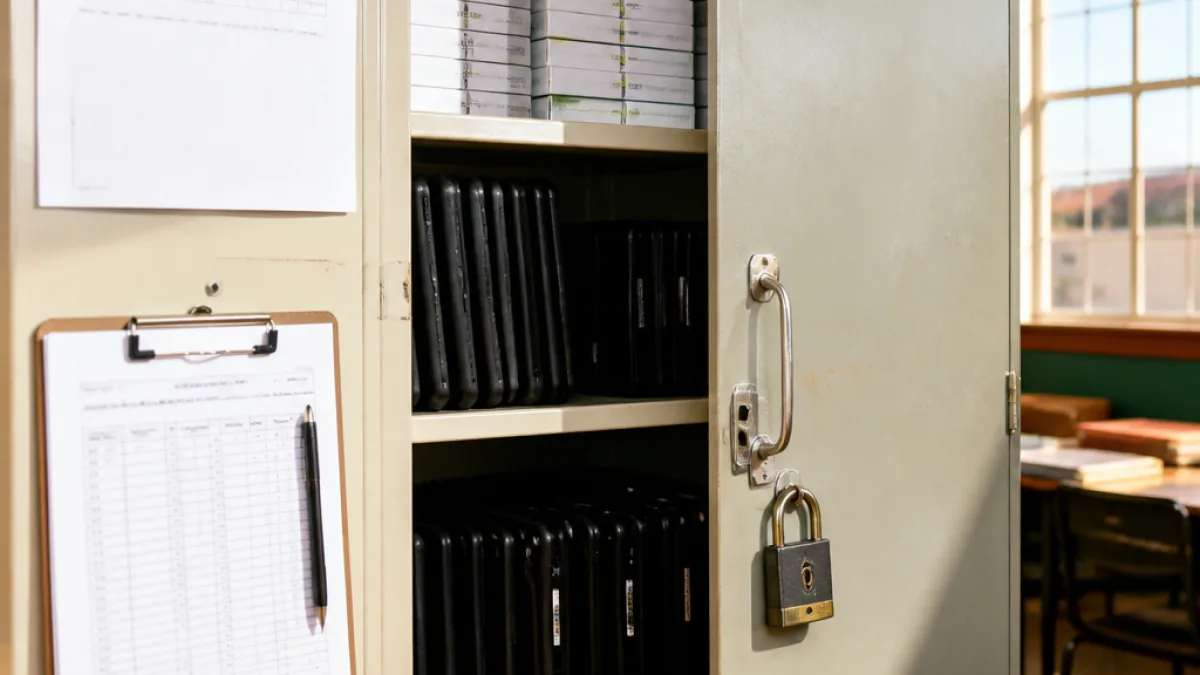
GroundUp contacted a cross‑section of 12 schools in the Eastern Cape in 2026 and found that none were operating the project “as designed”. At Mary Waters High School in Makhanda, for example, the school received 115 tablets at the start of 2025, preloaded with past exam papers and intended to be topped up with 50GB of mobile data each month for every device. By 2026, those tablets were locked in a cupboard and none had been issued to matrics.
“The tablets were not distributed this year due to a shortage of tablets, with some not functioning properly,” said a senior teacher who asked not to be named.
The same teacher estimated that of the learners who received devices in 2025, only about 30% used them for schoolwork in any meaningful way and added that: “the department has not monitored the project.”
Delivery figures and gaps
Documents supplied to the provincial legislature in August 2025 show the department reported that by 15 May 2025 it had delivered 53,254 of the planned 54,000 devices. The figure meant roughly half of the province’s full‑time matric cohort of 108,000 learners had been reached in that first delivery phase.
However, the same report recorded outstanding shortfalls: 746 tablets were listed as still owed to 41 schools, and 165 schools were listed with shortages. The department has not publicly confirmed whether those owed devices were later delivered or accounted for.
| Planned devices | Delivered by 15 May 2025 | Devices still owed | Schools with shortages |
|---|---|---|---|
| 54,000 | 53,254 | 746 | 165 |
Who was targeted and what went wrong?
The department framed the programme to prioritise matrics at no‑fee Quintile 1 to 3 schools. Devices were supplied preloaded with exam preparation materials and expected to be supported by monthly data allocations. Yet across the schools contacted, the scheme has not functioned as intended in 2026 for a handful of recurring reasons:
- shortages or delayed delivery of devices to some schools;
- devices arriving but not functioning properly;
- a lack of ongoing monitoring and support from the department at district level;
- poor uptake and limited use even where devices were issued in 2025.
The picture that emerges is of a large logistical and implementation exercise that did not translate into sustained learner access.
Classroom consequences and provincial reach
For schools on the ground the consequences are immediate. At institutions where tablets exist but are stored, teachers cannot integrate the devices into revision programmes or digital support classes. Where devices were issued in 2025 but underused, pupils missed the promised continuity of resources and data top‑ups.
Reaching roughly half the matric cohort with devices does not equate to effective access, particularly when many devices were non‑functional or not distributed. That gap matters in the run‑up to exams, when learners in poorer schools rely on department interventions to close resource deficits.
Questions for the department and practical steps
The available information raises clear operational and oversight questions that the Eastern Cape Department of Education must answer publicly:
- Were the 746 devices listed as owed ever delivered, and to which schools?
- What remedial action did the department take when devices arrived non‑functional?
- What monitoring mechanisms were in place after initial delivery, and why did they fail to detect poor uptake?
To restore value for money and benefit to learners, officials will need to provide a clear account of distribution, device condition, data provisioning and a plan to rehabilitate devices or reallocate resources to alternatives that reach learners effectively.
Education interventions involving hardware and data can deliver big gains for disadvantaged learners, but only when delivery, maintenance and monitoring are well resourced. The provincial tablet roll‑out illustrates how implementation gaps can blunt the impact of substantial public investment.
Local schools, learners and parents now await a full explanation and concrete remedial measures from the education department so the intended benefits of the R686 million programme are realised before the next matric cycle.












