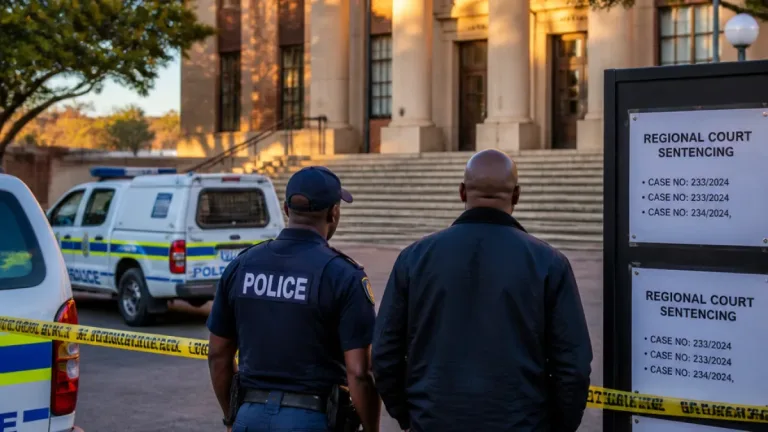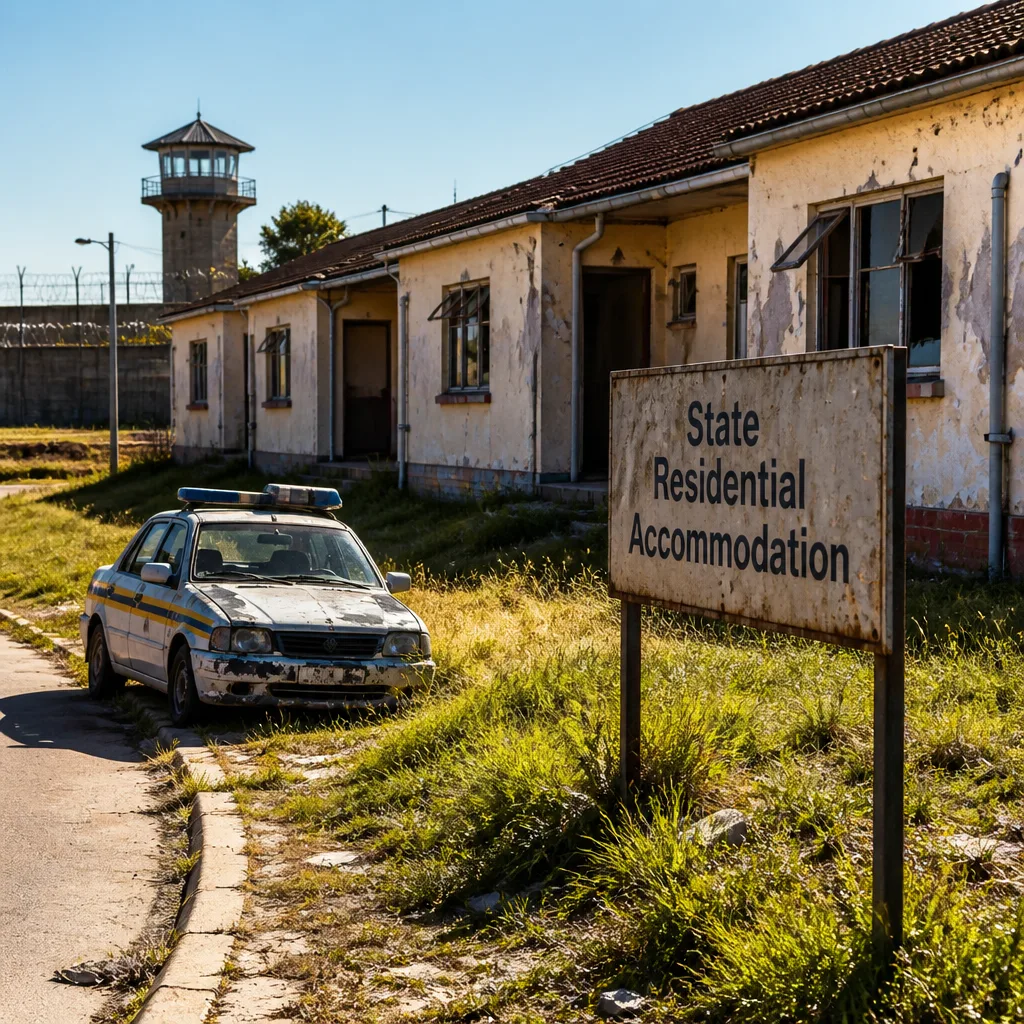
The Department of Public Works and Infrastructure’s mismanagement of official residential accommodation is undermining the operational capacity of frontline services such as the South African Police Service (SAPS) and Correctional Services, Professor Mandla Makhanya warns.
Residential assets ‘strategic’ for frontline services
In an opinion piece, Makhanya said the DPWI is custodian of more than 80 000 immovable assets, of which roughly 26% — about 21 000 — are residential properties for public servants. He described these houses and barracks as “strategic public assets” that support the State’s ability to recruit, retain and sustain personnel who deliver essential services across the country.
Official residential accommodation, he argued, enables police officers, corrections officials and health workers to live near their places of work. That proximity, Makhanya said, reduces commuting costs, strengthens emergency response capabilities and allows many public servants to remain with their families — promoting operational readiness, wellbeing and family stability.
Governance failures eroding value and function
But Makhanya said the benefits of such accommodation have become casualties of broader governance failures that afflict public infrastructure management. He pointed to weak contract management, unlawful occupation, deteriorating infrastructure, poor maintenance practices and fragmented accountability between custodial and user departments as factors steadily eroding both the value of the assets and the living conditions of those who occupy them.
Those failings, the piece noted, are not merely administrative problems: they carry direct consequences for service delivery by the State’s frontline agencies — including safety, stability and the practical ability of staff to perform duties that require rapid or sustained presence.
Legal action highlights scale of the problem
Recent media reports referenced in the opinion highlighted litigation by the DPWI against former Members of Parliament who allegedly continued occupying state-subsidised houses in the Parliamentary Village after leaving office. In announcing the proceedings, the Minister of Public Works and Infrastructure, Dean Macpherson, was quoted as saying:
“As a country which respects the rule of law, we can never allow certain individuals to be above it and unlawfully occupy state property that has an intended public benefit.”
Makhanya used that case to underscore a wider point: when state housing intended to support public servants is unlawfully occupied or poorly maintained, the public benefit is lost and the State’s capacity to deliver essential services is weakened.
- Scale: DPWI holds over 80 000 immovable assets, ~21 000 residential units.
- Consequences: Poor housing increases commuting costs, weakens emergency responses and undermines staff retention.
- Root causes identified: Weak contract management, unlawful occupation, deteriorating infrastructure and fragmented accountability.
The opinion piece framed residential accommodation as an element of national infrastructure that requires the same standards of governance, maintenance and accountability as other state assets if it is to fulfil its role in sustaining public service delivery.
For SAPS and Correctional Services, the implications are tangible: reduced operational readiness where personnel cannot be reliably housed near work, increased financial pressure on employees who must commute long distances, and potential impacts on morale and retention that can affect service delivery to communities.
Makhanya called for clearer roles and responsibilities between custodial departments and users, improved contract oversight and decisive action against unlawful occupation to preserve the public value of these assets.
| Category | Figure |
|---|---|
| Total immovable assets held by DPWI | 80 000+ |
| Approximate residential units for public servants | 21 000 (~26%) |
The piece does not prescribe detailed remedies beyond strengthened governance and accountability, but it situates the issue within broader concerns about the management of state-owned facilities and the consequences for frontline public services.
As the DPWI pursues legal remedies in high-profile cases of alleged unlawful occupation, the debate over how to protect and maintain official residential accommodation — so it can continue to underpin essential services such as policing and corrections — is likely to intensify.