
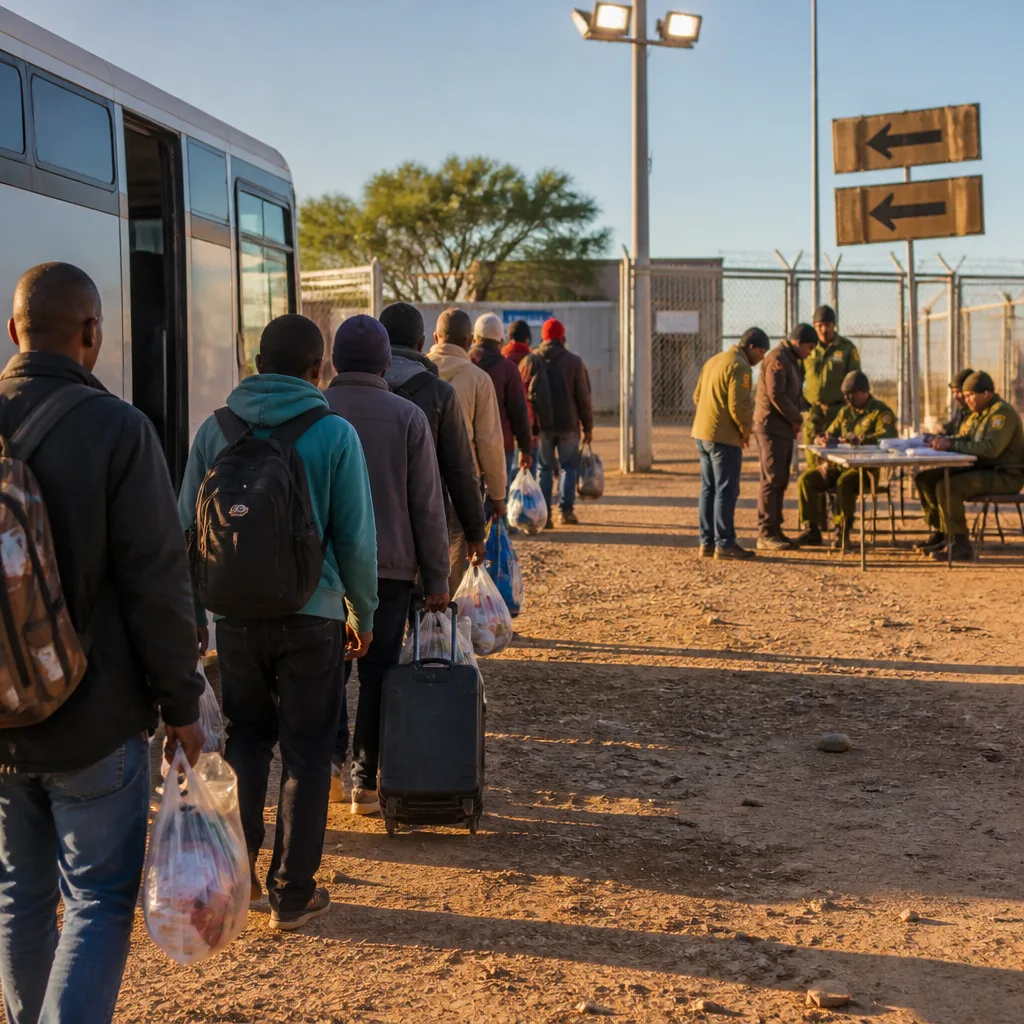
More than 178,000 African migrants have left South Africa in recent months, according to counts reported by authorities in the migrants' home countries. The departures follow a government crackdown on undocumented migration and a wave of anti-immigrant protests that left many people fearing violence.
Scale and destinations
Neighbouring Zimbabwe reported the largest number of returns, with more than 115,000 people coming back since late May. Malawi has received more than 56,000 returnees, and Nigeria, Ghana, Mozambique and Lesotho have each reported more than 1,000 citizens returning from South Africa, the governments said.
The movements are a mix of official deportations and voluntary returns arranged either by South African authorities or by the migrants' home governments. South Africa reported that roughly 19,000 people had been officially deported since April.
Why people are leaving
Officials and advocacy groups link the exodus to intensified enforcement against undocumented migrants and to periodic outbreaks of anti-immigrant demonstrations. Organised protests this year culminated in nationwide actions on 30 June that campaign groups framed as a deadline for migrants without papers to leave the country.
"...a ‘deadline’ for migrants in the country illegally to leave,"
Advocacy organisations warned that many returnees fled out of fear of attacks. Humanitarian concerns have been raised about children pulled out of schools and chronic patients, including people living with HIV, who risk interruption of life-saving treatment when they leave South Africa abruptly.
Humanitarian and policy consequences
The mass departures expose tensions in South Africa's migration environment and carry practical consequences for public health, education and regional relations. Disruptions to continuity of care and schooling were singled out by advocacy groups as urgent problems arising from rapid movements of people across borders.
At a regional level, the large flows highlight the difficulties of managing migration within southern Africa, where millions have long moved to South Africa for work in agriculture, hospitality, construction and other sectors.
- Drivers: enforcement actions, protests and voluntary repatriation offers
- Largest returnee numbers: Zimbabwe (115,000+), Malawi (56,000+)
- Official deportations: about 19,000 since April, according to South Africa
| Country reporting returns | Reported number of returnees |
|---|---|
| Zimbabwe | 115,000+ |
| Malawi | 56,000+ |
| Nigeria, Ghana, Mozambique, Lesotho | 1,000+ each |
Advocacy groups criticised the sudden scale of movements and warned of secondary impacts. Children removed from schools will face education disruption. People on long-term treatment for HIV and other chronic conditions may be cut off from medication and care when continuity across borders is not ensured.
What remains unclear
Available reports come from the home-country authorities that recorded returnees. Some returns were arranged through repatriation offers, while others resulted from deportations; the precise mix and the longer-term outcomes for returnees — including reintegration and access to services — are still being assessed.
Observers say the flows underline the complexity of migration in the region and the pressure on South Africa's immigration and law-enforcement systems. The situation remains fluid and further reporting from both South African authorities and regional governments is expected to clarify numbers and the humanitarian response needed.
Details are developing and will require continued monitoring by government departments, humanitarian agencies and regional partners to manage health, education and protection needs arising from the returns.














