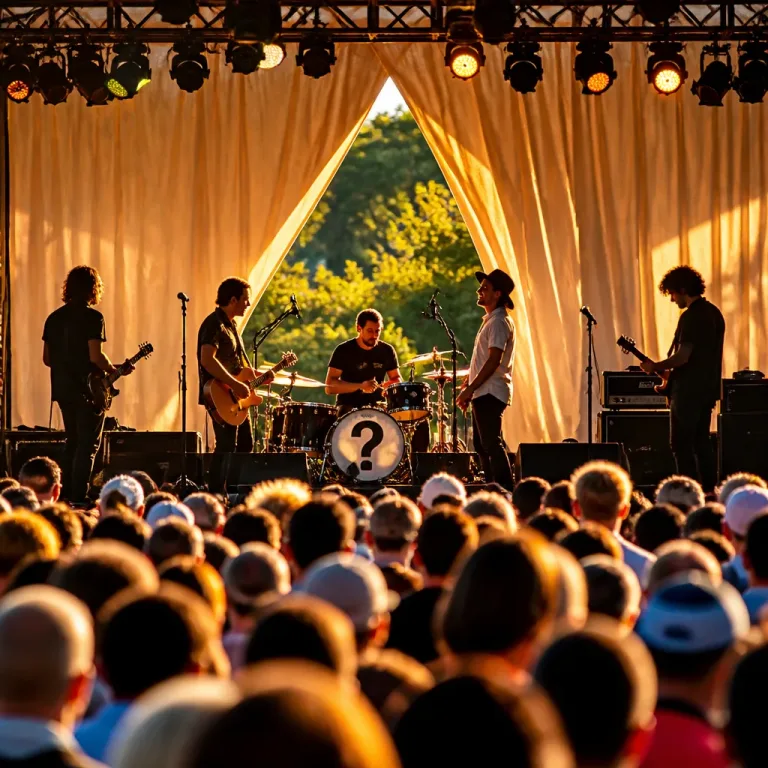
Improvizations, LLC, a human capital and workforce management advisory and implementation firm based in Austin, has launched a dedicated Sports and Entertainment Venues practice to support stadiums, arenas, professional sports teams and live-entertainment operators with UKG workforce management configuration, optimisation and managed support.
Why the sector needs a bespoke approach
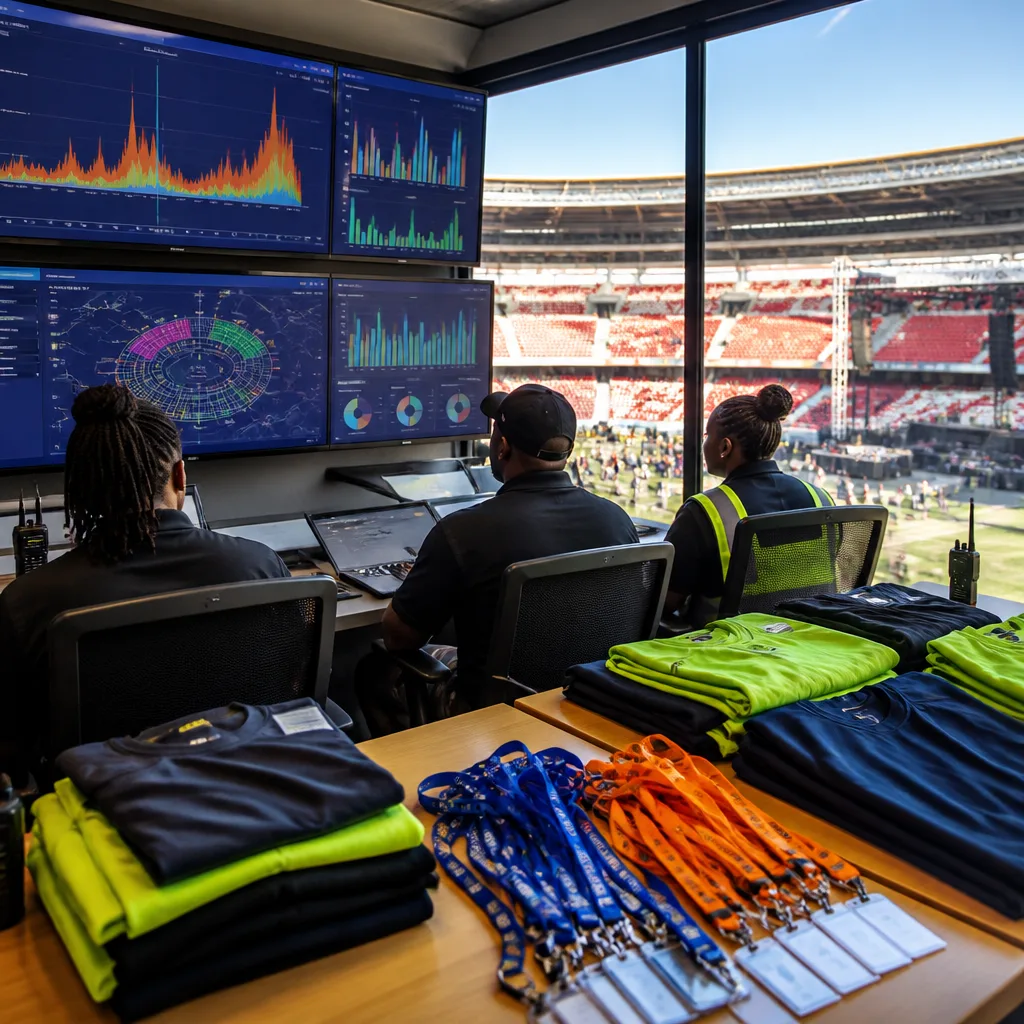
The firm says live-event workplaces face a structural challenge that sets them apart from many other industries: a dramatic swing between event days and non-event days. A single stadium or arena can scale up to thousands of seasonal and part-time workers for one event and then operate with only a fraction of that headcount the following day. Standard forecasting, scheduling and compliance tools built for steady-shift environments can struggle under that volatility.
Improvizations has positioned its new practice to address that operational reality by tailoring UKG implementations specifically for venues where demand-driven, event-day surges are routine. The service offering covers configuration, optimisation and managed support designed for live-event operations across professional leagues including the NFL, MLB, NBA and NHL, as well as NCAA venues, stadium and arena operators, and the facilities and hospitality firms that staff them.
Operational pressures the practice will tackle
The firm identifies four core pressures that define workforce management in sports and entertainment venues. These are:
- Event-day surge staffing — the need to spin up thousands of workers for a single date and stand them down immediately after without creating excessive manual scheduling work or uncontrolled overtime.
- Complex labour compliance — venues face layered requirements such as union rules, predictive-scheduling ordinances, minor-labour restrictions and varying city or state regulations across multi-site footprints.
- Multi-site coordination — operators that manage game days, concert nights and dark days across a portfolio must synchronise a shared roster across venues and events.
- Workforce diversity and transience — frequent use of seasonal, part-time and casual staff across front-of-house, concessions, gates, guest services and changeover crews.
| Pressure | Operational impact |
|---|---|
| Event-day surge staffing | Requires demand-driven scheduling and rapid deployment without excessive overtime or supervisor burden |
| Complex labour compliance | Demands configuration to meet union rules and diverse municipal/state labour requirements |
| Multi-site coordination | Needs a shared roster and consistent processes across venues and event types |
| Workforce diversity and transience | Calls for flexible staffing models and streamlined onboarding/management for seasonal roles |
What the practice offers
Improvizations describes the practice as a combination of strategic advisory, implementation and managed support tailored to the live-event ecosystem. The focus is on configuring UKG workforce management tools to handle demand-driven scheduling, ensure compliance across jurisdictions and reduce administrative load on supervisors during peak events.
By emphasising configuration and ongoing managed support, the firm aims to help venue operators avoid the pitfalls of applying steady-shift workforce tools to a sector that runs on unpredictable, high-variance demand. The service is pitched at professional sports teams, stadiums, arenas, entertainment venues and the facilities and hospitality operators that staff them.
For operators wrestling with labour complexity and episodic demand, the new practice seeks to offer a specialised pathway to make UKG platforms more usable and effective in the live-event context.
Context for South African readers: While Improvizations is based in Austin and references North American leagues and venues, the operational challenges it targets — surge staffing, multi-site compliance and seasonal workforces — mirror issues faced by international stadiums and event operators. Local venue operators considering UKG or similar workforce management platforms may find lessons in configuration and managed support approaches when adapting software built for steady-shift industries to the fast-paced realities of live entertainment.