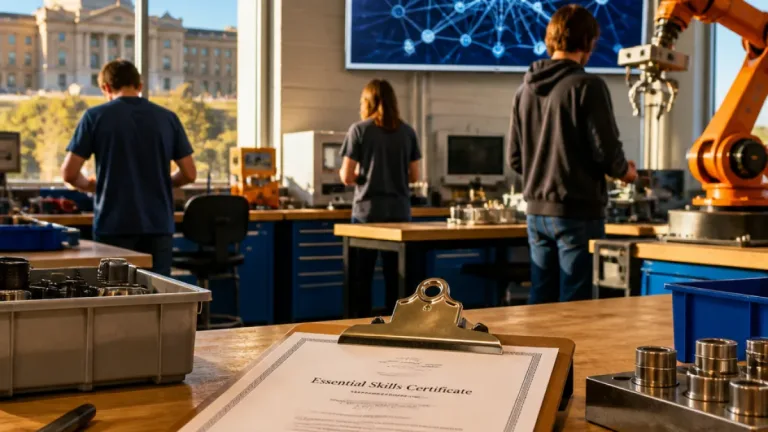
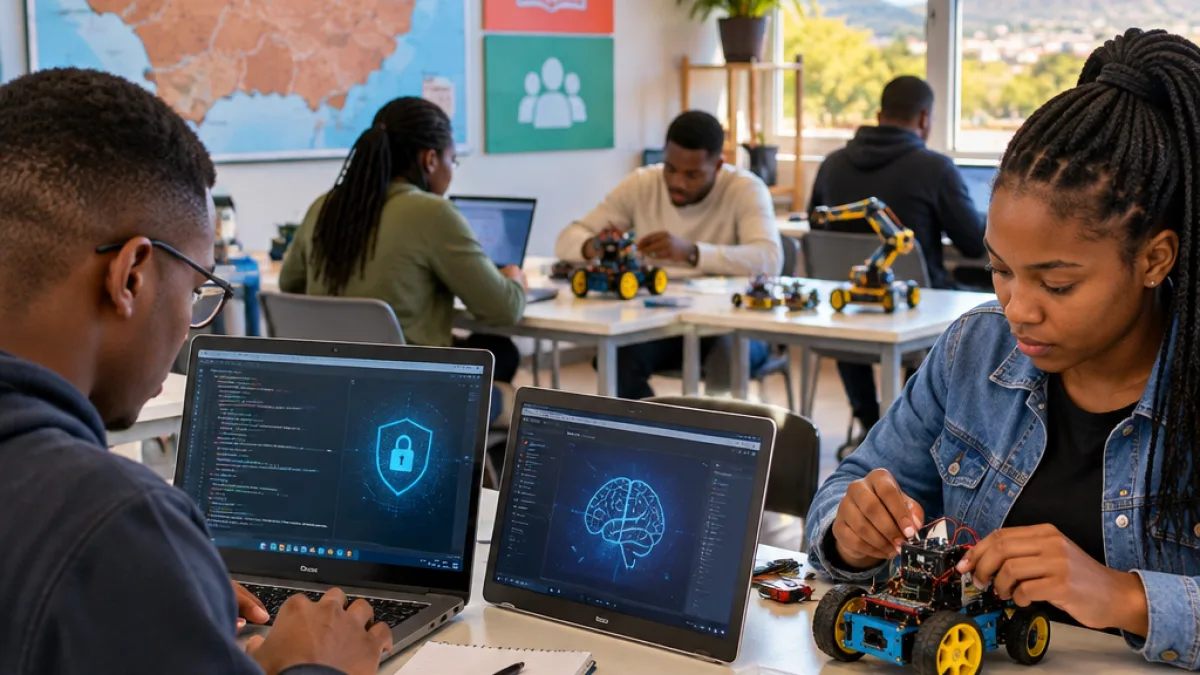
A new Cyberlab in Kimberley is set to give community members, teachers and students practical exposure to robotics, artificial intelligence, cybersecurity and other digital skills. The facility has been launched through a partnership between technology company HONOR and South African robotics business Optimas Robotics.
Based at the Kimberley Teachers Centre in the Northern Cape, the initiative is intended to move technology education beyond theory. It will give participants an opportunity to complement their academic learning with practical engagement, explore ideas and develop skills linked to the digital economy.
The project is being developed with Evans Parson Zwane, the founder and chief executive of Optimas Robotics. Its stated focus is not only on introducing people to emerging technologies, but also on supporting homegrown innovation and South African entrepreneurs working in the technology sector.
What the Cyberlab is intended to offer
The available information does not specify the equipment at the facility, the number of participants it will accommodate or how often programmes will run. It does, however, set out a broad group of intended beneficiaries and subject areas.
| Area | Details |
|---|---|
| Location | Kimberley Teachers Centre, Northern Cape |
| Intended users | Community members, local teachers and Sol Plaatje University students |
| Focus areas | Robotics, AI, cybersecurity and digital skills |
| Educational platform | OptimasGPT, developed by Optimas Robotics |
| Language scope claimed by the company | Support for all 11 official South African languages |
That combination matters in a country where access to technology is not simply a question of whether a device or internet connection is available. People also need opportunities to learn how systems work, apply their knowledge and understand how digital tools can be adapted to local needs. A facility that combines learning with practical experimentation can therefore serve a different purpose from a conventional computer access point.
Optimas Robotics has also introduced OptimasGPT, described as an educational artificial intelligence platform that supports all 11 official South African languages. The company says the platform is intended to demonstrate the value of technology that is accessible and locally relevant.
Language support is particularly significant in education and digital services because technology designed mainly around English can create an additional barrier for learners and communities. The stated language capability does not, by itself, establish how the platform performs in each language, what content is available or whether every feature works equally across them. Those details were not provided. The launch does, however, place multilingual development at the centre of the project rather than treating it as an afterthought.
From technology users to technology creators
HONOR said digital inclusion should involve more than distributing devices or building infrastructure. Its position is that partnerships must connect access with meaningful opportunities, including the chance for young South Africans to become developers, researchers and innovators.
That approach gives the Kimberley facility a wider ambition than a short-term demonstration space. The partnership identifies several possible roles for the Cyberlab:
- Helping teachers and students gain practical exposure to emerging technologies.
- Giving community members a place to explore robotics, AI and cybersecurity.
- Supporting ideas linked to local technology entrepreneurship.
- Showing how locally developed digital platforms can respond to South African language needs.
Sol Plaatje University students are among those expected to use the facility as a complement to their academic learning. The initiative could help connect formal study with experimentation, although the partnership has not released details about specific courses, qualifications, assessments or employment pathways linked to the Cyberlab.
The project’s impact will ultimately depend on how consistently people can access it and whether the learning opportunities continue beyond the launch. Practical questions include the availability of mentors, the quality of the equipment, the cost of participation and the extent to which teachers and students can use what they learn in their existing studies or work. None of those arrangements were set out in the information provided.
For now, the launch represents a national technology story because it links digital inclusion, local entrepreneurship and multilingual AI development in one initiative. Its most important test will be whether the Cyberlab can turn interest in emerging technology into sustained skills and locally created solutions, rather than leaving participants as consumers of products developed elsewhere.