The latest Global Muslim Travel Index (GMTI), produced by Mastercard in partnership with CrescentRating, forecasts a steady rise in international Muslim travel through the end of the decade, with international arrivals expected to reach 262 million by 2030 and annual expenditure climbing to an estimated $310 billion.
Growth driven by tech and accessibility
The 11th edition of the GMTI places greater emphasis on technology and destination readiness. The report highlights the role of artificial intelligence, digital services, and improved destination visibility in encouraging travel by Muslim tourists. It also evaluates destinations under the ACES framework — Access, Communications, Environment and Services — and introduces stronger measures for AI readiness, smart infrastructure and resilience planning amid rising global volatility.
The GMTI projects international Muslim arrivals will rise from 196 million in 2025 to 208 million in 2026, and then to 262 million by 2030. Annual traveller expenditure is forecast to reach $310 billion by 2030.
Notable movers and destination strengths
Bahrain improved its standing in the index, climbing five places to rank seventh among top travel destinations for Muslim visitors with an overall score of 74. Jordan retained a place in the top 15, ranking 12th with a score of 72. Both Bahrain and Jordan recorded a perfect score of 100 for the availability of prayer places and airport services.
“In line with our long-standing commitment to supporting the growth of the travel and tourism industry, we are pleased to collaborate with CrescentRating to develop GMTI, which identifies the key trends and destination leaders shaping the future of halal travel,” said Saud Swar, country manager for Saudi Arabia, Bahrain, Jordan and other Levant markets at Mastercard.
The report also highlighted Jordan’s improvements in visa facilitation and flight connectivity, moving the country into the top five most accessible destinations — a factor that can quickly influence travel decisions among family travellers and older tourists seeking easier journey logistics.
What this means for travellers and the industry
For South African travellers and the local travel industry the report points to a few clear trends worth noting:
- Digital visibility matters: destinations that invest in online discovery and AI-enabled services will attract more visitors.
- Accessibility improvements — such as visas and direct flights — can rapidly boost a country’s appeal.
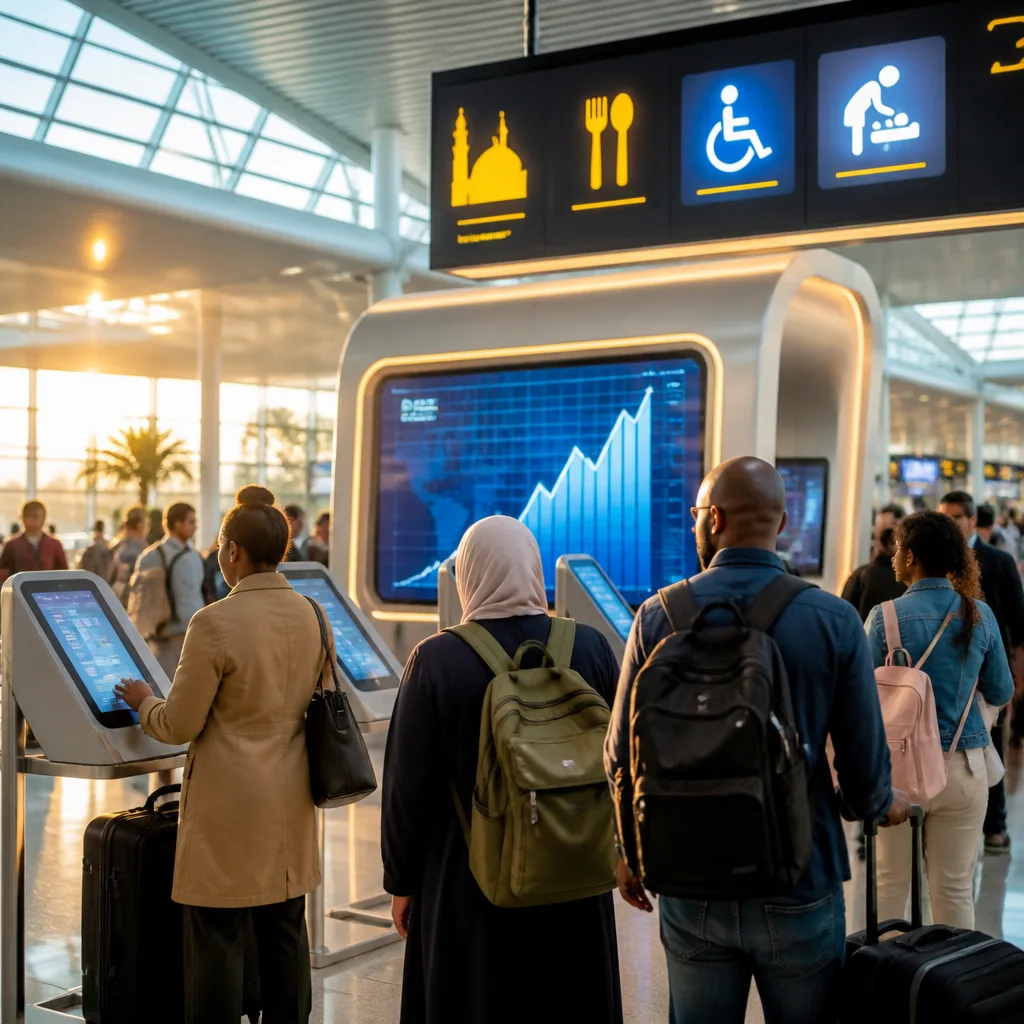
- Service offer matters: prayer facilities and Muslim-friendly airport services remain decisive components for many travellers.
The study covers 150 destinations, representing more than 98% of global Muslim visitor arrivals, and uses the ACES framework to assess competitiveness and readiness. The renewed focus on resilience planning also reflects concern among travellers and industry stakeholders about geopolitical and climate-driven disruptions to travel.
| Year | Projected international Muslim arrivals | Projected annual expenditure |
|---|---|---|
| 2025 | 196 million | — |
| 2026 | 208 million | — |
| 2030 | 262 million | $310 billion |
For travel businesses — from airlines and hotels to online booking platforms — the GMTI is a guide to where investment in product, services and marketing should be prioritised. Enhancing Muslim-friendly facilities, ensuring clear digital information and improving connectivity are practical steps that can lift a destination’s ranking and its draw for travellers.
From a consumer perspective, the near-term rise to 208 million arrivals in 2026 suggests demand is already recovering and expanding, while the longer-term figures indicate sustained growth that South African tour operators and hospitality providers can tap into by aligning offers with the expectations identified in the index.
The GMTI’s attention to AI readiness and smart destination planning also signals a shift: travellers increasingly expect seamless digitally enabled experiences, from searching and booking to on-the-ground services. For holidaymakers on a budget or families planning pilgrimages or cultural trips, clearer online information and assured facilities for prayer and halal food ease planning and improve holiday confidence.
Ultimately, the index underlines that growth in Muslim travel is not only about numbers, but about the quality and accessibility of the travel experience — an area where many destinations still have room to grow.