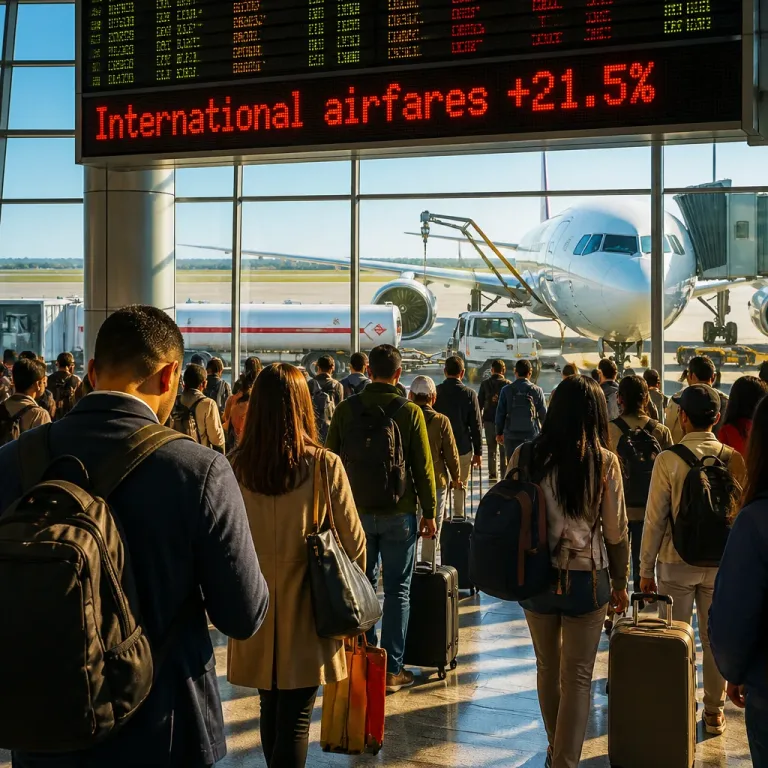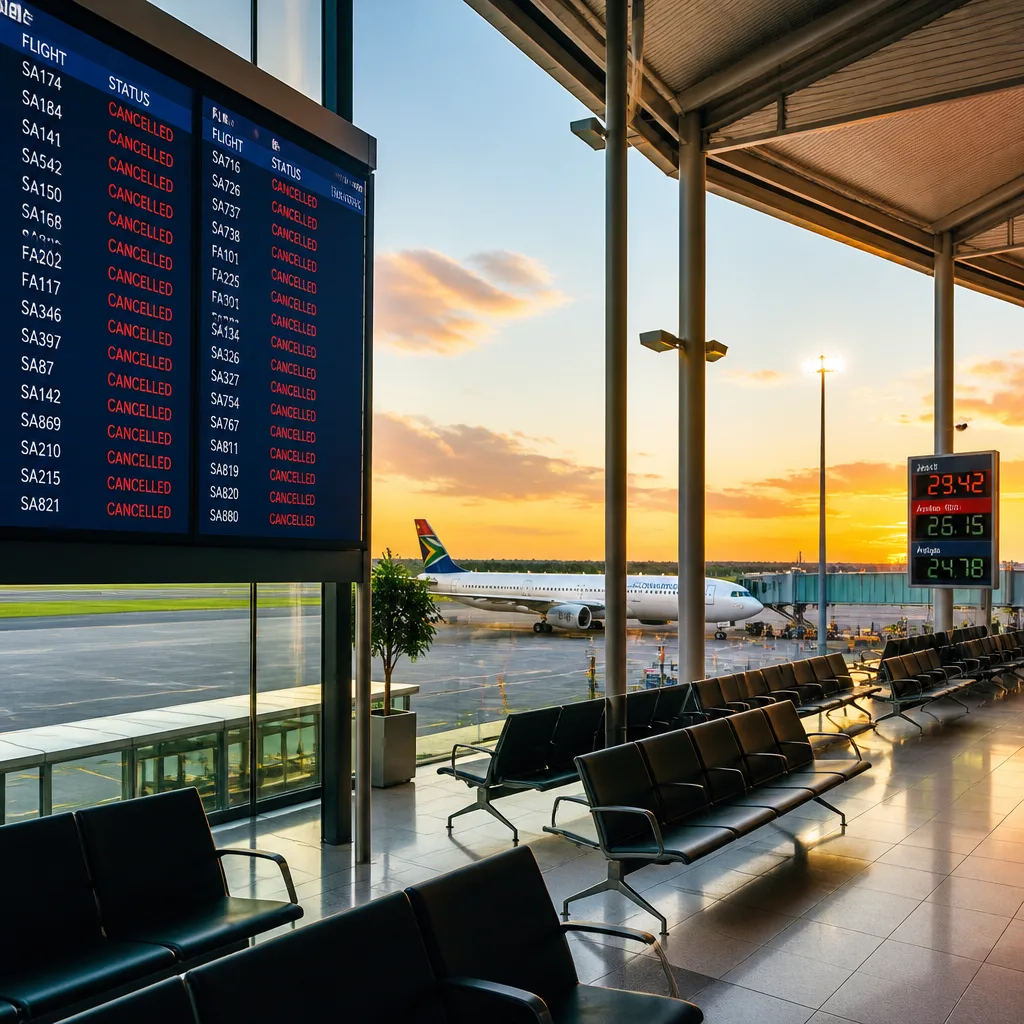
Sydney Airport has seen a drop in allocated take-off and landing slots in several key markets as airlines adjust capacity in response to the Middle East conflict and surging fuel costs, according to slot manager ACL Asia Pacific.
Slots down overall but patterns vary by market
ACL Asia Pacific reported that 4% of all take-off and landing slots for the Northern Summer 26 scheduling period — running from late March to the end of October — have been cancelled at Sydney Airport. International services suffered most, with cancellations totalling 6%, while domestic slots were down 3% for the period.
The highest cancellation rates were concentrated among carriers serving India, China, the Middle East, the Philippines and Vietnam. Airlines have been reacting to a combination of higher fuel costs and weakened short-term economics on some price-sensitive routes, ACL said.
| Market | Cancellation / change |
|---|---|
| India | 32% cancelled (peaking at 60% in August, 46% in September, 44% in October) |
| China | 24% cancelled |
| Qatar | 24% cancelled |
| United Arab Emirates | 22% cancelled |
| Philippines | 18% cancelled |
| Vietnam | 12% cancelled |
| Malaysia | 3% increase in slots |
| Vanuatu | 7% increase |
| Canada | 7% increase |
Why the shifts matter for travellers
The cancellation pattern shows airlines are pruning routes that have become uneconomic because of higher fuel prices and the ongoing disruption to regional hubs. The result is a reshaped network: fewer direct options to some markets, and more capacity to others that can serve as alternative gateways.
- Price-sensitive services have been cut back where fuel surcharges and operating costs outweigh short-term demand.
- Carriers serving India have been most affected, with almost a third of slots removed for April to October.
- Some hubs have gained capacity as travellers avoid disrupted Middle East connections — Malaysia saw a 3% increase, while Vanuatu and Canada recorded 7% increases.
For South African travellers this is relevant in two ways. First, the availability and price of flights via Asian and Middle Eastern hubs can change rapidly, altering the most convenient routes to Europe, Asia and beyond. Second, airlines and agents may seek alternative routings and connections, which can affect journey times and baggage connections.
Context: conflict, fuel and network strategy
Airlines globally are re-evaluating schedules as fuel prices have risen following the conflict in the Middle East, and as key regional hubs face operational pressures. The slot adjustments at Sydney reflect these broader forces: airlines cut services where they cannot recover costs quickly, and boost capacity where skip-over routing or demand shifts present opportunity.
ACL Asia Pacific's figures illustrate how uneven the impact is: some markets have large-scale reductions while others show modest increases to pick up diverted or re-routed traffic. The shifting pattern will continue to evolve as fuel markets, diplomatic developments and passenger demand change over the coming months.
Travellers should keep an eye on airline notices and booking channels for schedule changes and possible reroutings, and consider flexible tickets and travel insurance that cover schedule disruption. Travel agents and airlines are likely to adjust connections and pricing as networks stabilise.
The developments at Sydney Airport underline how geopolitical events and energy costs can quickly filter down to the routes and connections available to international travellers, changing the practical choices for those planning trips abroad.