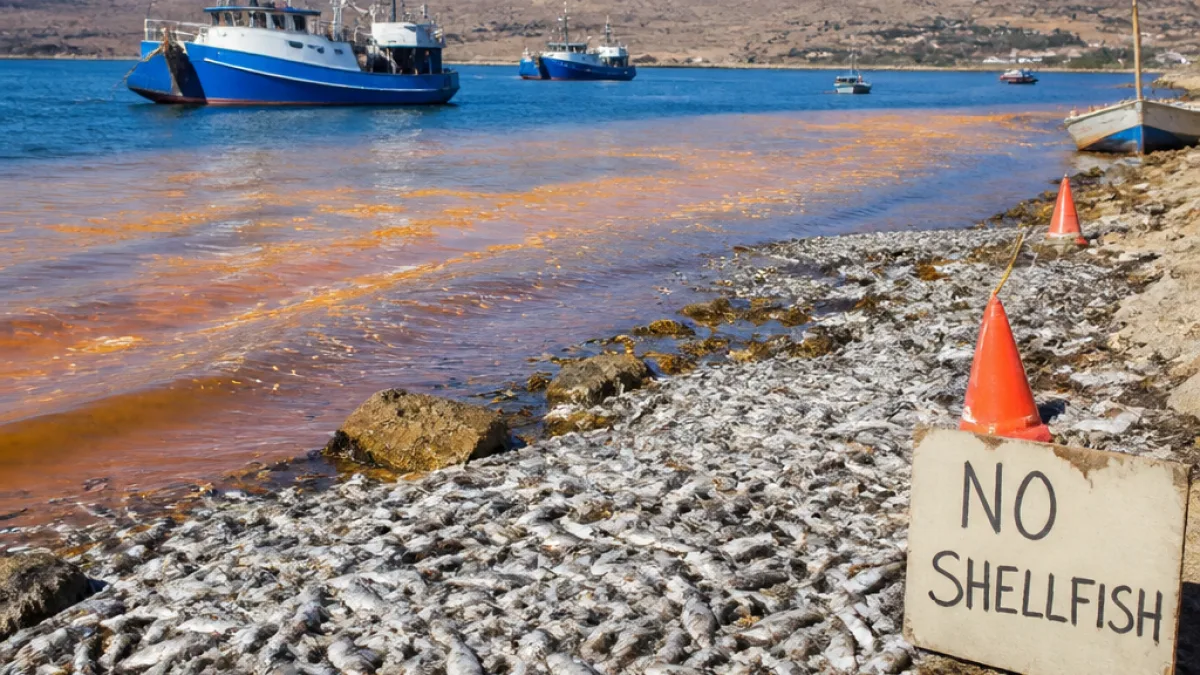
Authorities have received extensive reports of pelagic fish mortality along the Western Cape coastline, with incidents recorded from Saldanha Bay on the West Coast to Gansbaai near Danger Point on the Southern Cape. The die-off involves several species, with sardine the most frequently reported.
Scope and immediate response
Observations indicate the event spans a wide area, from inshore waters out to roughly 80 kilometres offshore. Pelagic species live in the open ocean rather than near the seabed, which means the impact reaches both nearshore fishers and the commercial pelagic industry targeting shoaling species.
In a message circulated to members of the commercial pelagic fishing sector, industry figure Mike Copeland said investigations are under way. He urged caution and advised operators to discontinue fishing immediately.
"As a precautionary measure, all purse seine operators are strongly advised to cease fishing activities immediately. This suspension will remain in effect until the underlying cause of the mortality is better understood,"Copeland said.
Harmful algal bloom confirmed near Saldanha
Laboratory work and water sampling have identified a harmful algal bloom (HAB) offshore from Saldanha. Some HAB species produce toxins that can accumulate in shellfish and poison animals and people. The bloom detected is known to produce toxins associated with paralytic shellfish poisoning (PSP), a neurotoxic illness that can affect humans who consume contaminated shellfish.
HABs — sometimes called "red tides" though they are not always red — arise when certain microscopic algae multiply rapidly. Blooms can be encouraged by a combination of warm sea temperatures, sunlight and nutrient-rich waters. Some blooms also deplete oxygen in the water, leading to asphyxiation of fish and other marine life.
Investigations and public-health implications
Officials are collecting comprehensive samples for laboratory analysis to determine the specific factors behind the mass mortality and to assess whether the HAB is the direct cause. While the algal bloom has been confirmed offshore from Saldanha, a definitive causal link between the bloom and the wider fish kills has not yet been established.
Health authorities and marine managers will be particularly concerned about the potential for PSP toxins to accumulate in filter-feeding shellfish such as mussels, oysters and clams. Toxins that cause PSP are not eliminated by cooking or freezing, making contaminated shellfish a persistent food-safety risk.
What this means for fishers and public safety
- Purse-seine fishing: Operators have been urged to cease activity pending clarity on cause and safety.
- Shellfish consumption: People should avoid harvesting or eating wild shellfish from affected areas until authorities issue clearance.
- Marine monitoring: Sampling and laboratory analyses are under way to test water, fish and shellfish for toxins and other stressors.
Local commercial and small-scale fishers will be economically vulnerable if the suspension of fishing continues. The pelagic sector supplies both local markets and the canning and processing industries; a prolonged halt could ripple through supply chains.
| Location | Reported issue |
|---|---|
| Saldanha Bay | HAB confirmed offshore; toxins associated with PSP |
| West Coast to Southern Cape | Multiple pelagic species mortalities reported; sardine most common |
| Offshore range | Mortality observed up to ~80 km from shore |
Wider ecological and economic context
Harmful algal blooms are episodic but can have severe local impacts on marine ecosystems, seabirds and marine mammals, in addition to fisheries and public health. Coastal communities that rely on harvesting shellfish and fishing for income or subsistence face immediate risk when toxins are present.
Authorities — including environmental, fisheries and public-health agencies — will need to coordinate sampling, public advisories and any closures. Timely, transparent communication about test results and area closures will be key to protecting both public health and livelihoods.
For now, recreational and commercial fishers and the public should heed official warnings. Avoid harvesting shellfish from the affected coastline and stay informed through provincial and national departments as laboratory results become available.
The mass mortality underscores how vulnerable the province's coastal resources remain to sudden environmental stressors. As investigators work to identify the precise causes, managers face the twin tasks of protecting human health and supporting communities that may suffer economically from the suspension of pelagic fishing.