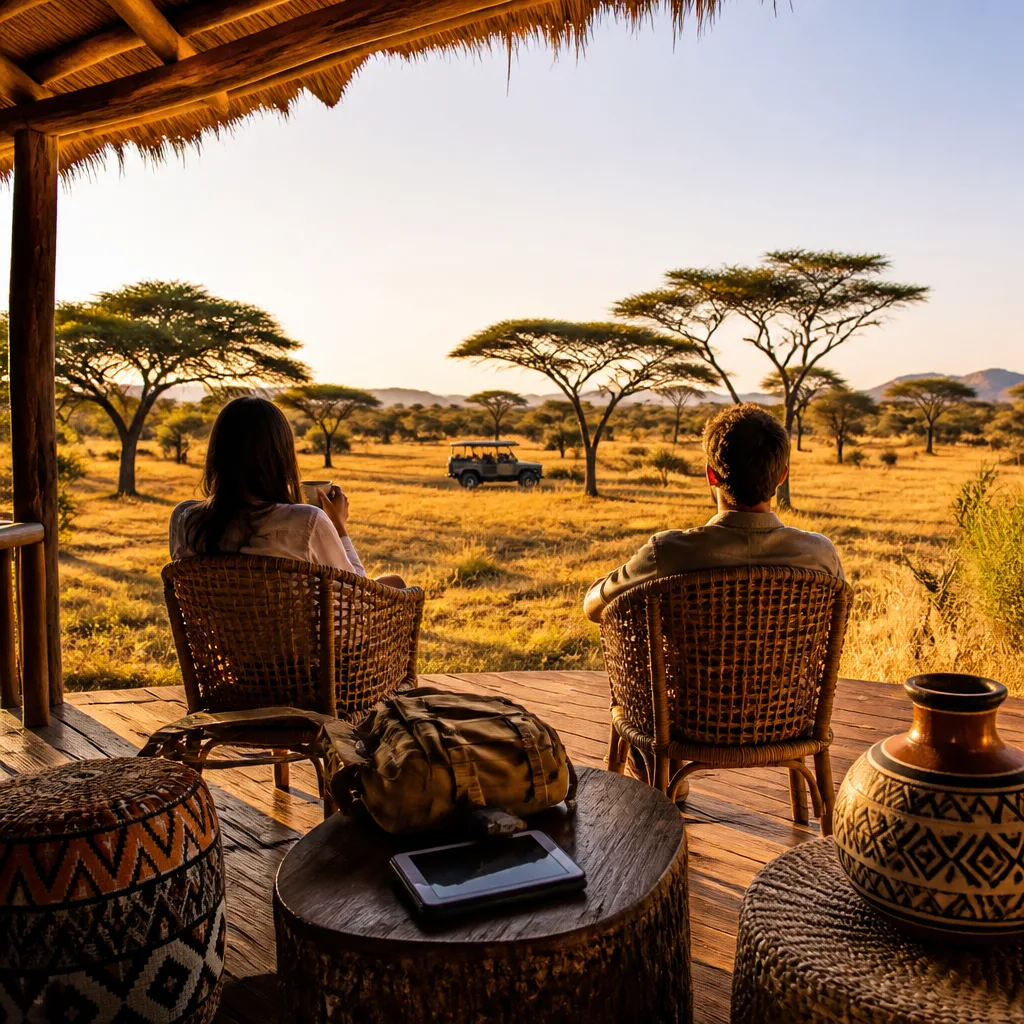
Luxury travel across Africa is moving away from one‑size‑fits‑all hotel stays towards highly personalised, place‑based experiences, driven by changing traveller expectations, technology and a growing appetite for authenticity, said Saurabh Rai, Executive Vice President for South Asia, the Middle East, Africa and Australasia at Preferred Hotel Group.
Travellers want a stronger sense of place
Rai, who has worked with Preferred Hotels & Resorts for 19 years and has travelled to Africa for more than two decades, said the continent is especially well suited to independent hospitality because of its emphasis on adventure and discovery. “As someone who deeply appreciates adventure, freedom and discovery, I believe Africa lends itself beautifully to experiential hospitality rather than cookie‑cutter, templated experiences,” he said.
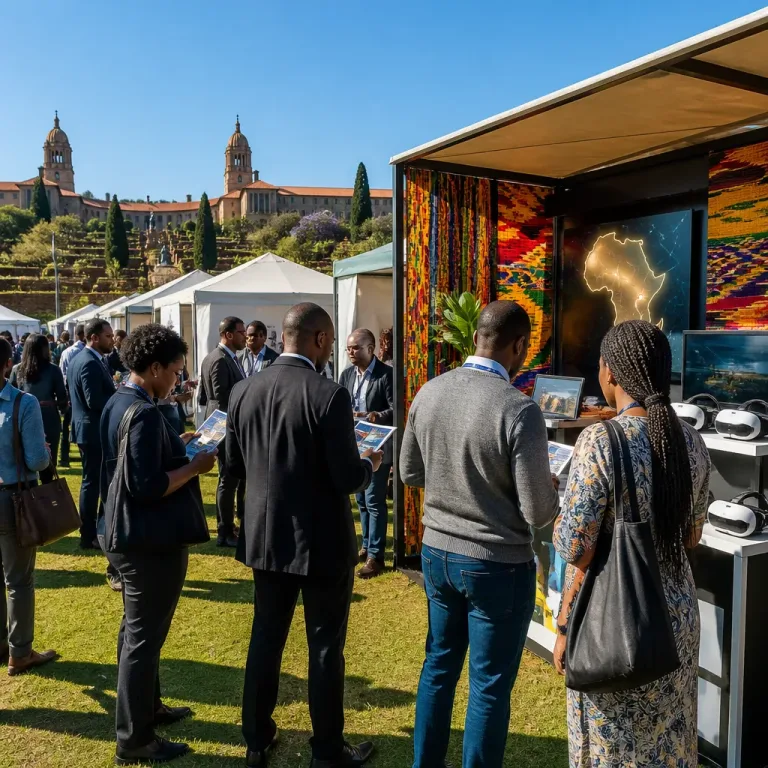
That preference shows in guests seeking properties that are embedded in their local environment, connected to community life and designed to reflect a destination’s culture and landscape rather than mirror international standards. According to Rai, guests are increasingly interested in stays that are “thoughtfully programmed” and that “exist in harmony with the surrounding environment.”
“The travellers we meet increasingly want thoughtfully programmed hospitality that is integrated with the local community, exists in harmony with the surrounding environment and authentically represents the destination.”
How technology and information shape choices
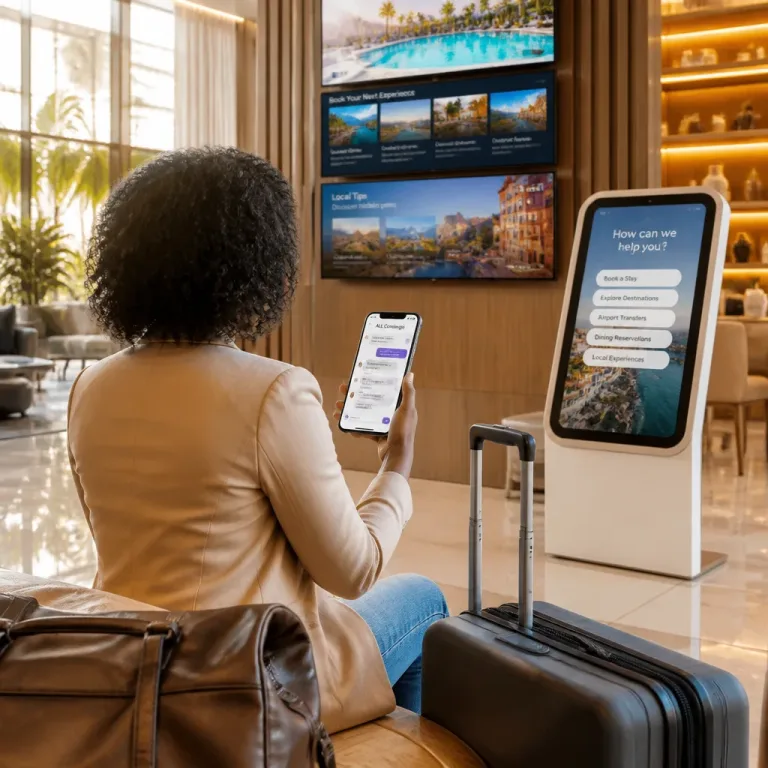
Technology, Rai said, has changed how travellers plan and choose accommodation. With extensive online information available, guests no longer rely solely on the reassurance of a familiar global brand. This creates opportunities for smaller, independent operators that offer curated, authentic experiences.
That shift is particularly relevant for Africa, where differentiated experiences—from remote lodges to boutique city hotels—can offer unique selling points that resonate with modern luxury travellers.
Safari evolves, but remains central
Safari will remain one of Africa’s strongest luxury propositions, Rai added, but operators are rethinking the experience to stand out. He said safari experiences are evolving as companies look for ways to differentiate their offerings beyond traditional game drives and lodge stays.
- Personalisation: Tailored itineraries and locally curated activities.
- Authenticity: Properties linked to local communities and cultural experiences.
- Conservation and sustainability: Experiences that respect environment and heritage.
- Technology: Enhanced pre‑trip research and booking transparency.
These trends have implications for South African hoteliers, tour operators and provincial tourism agencies that market to high‑end travellers. Properties that can offer genuine local connections, environmental stewardship and bespoke programming are likely to be more competitive as demand shifts.
| Trend | Implication for operators |
|---|---|
| Experiential stays | Design programmes tied to culture, cuisine and place |
| Tech‑savvy travellers | Invest in detailed online storytelling and transparent information |
| Safari differentiation | Develop distinctive activities and conservation narratives |
For South African travellers planning luxury trips within the region, the message is clear: look for experiences that reflect local flavour and offer meaningful engagement, rather than just brand familiarity. For businesses, the challenge is practical—how to programme, present and price authentic experiences that meet rising expectations without losing operational sustainability.
Rai’s observations point to a broader industry realignment: Africa’s luxury market is not shrinking from global competition so much as redefining what luxury means—less uniformity, more story; less replication, more rootedness. That is good news for travellers seeking memorable, ethical and place‑specific journeys, and for communities that stand to benefit when tourism is programmed thoughtfully.