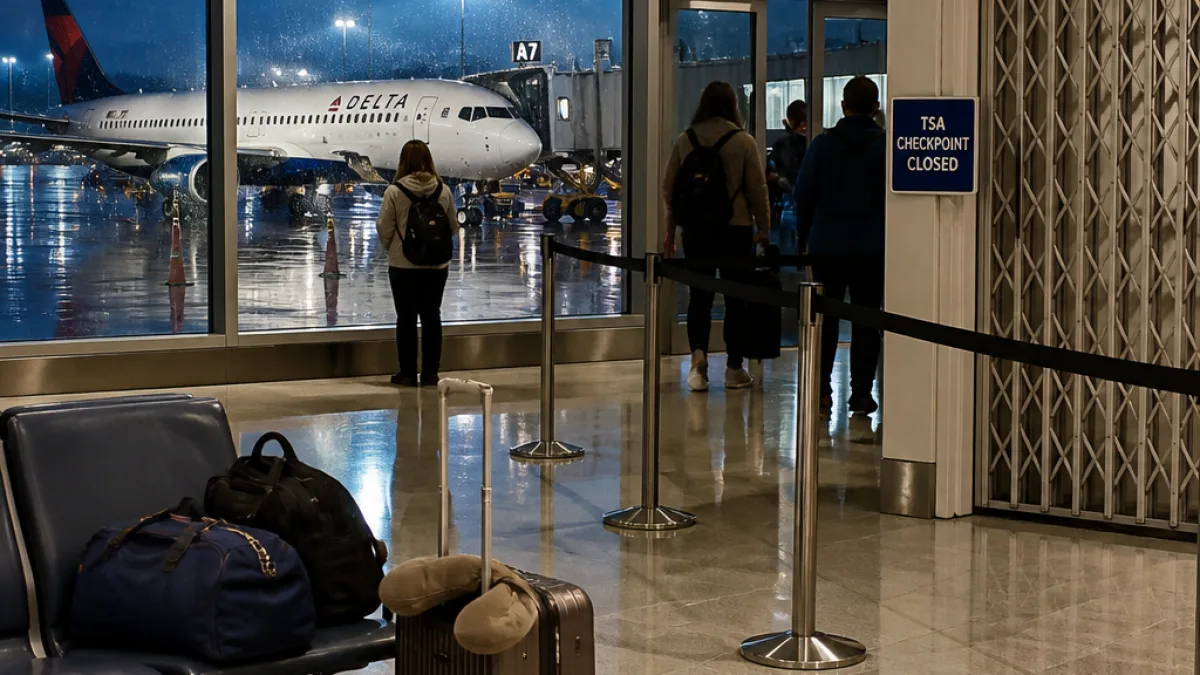
International students are increasingly forced to withdraw university offers, rebook travel at extra cost and miss the opening weeks of their courses because of extended visa processing times and a rise in refusals by UK Visas and Immigration (UKVI).
Delays stretching weeks into months
UKVI advertises a target turnaround of three weeks for student visas but, according to reporting, some applications are taking as long as four months to be processed. Even the expedited service that charges an additional £500 is experiencing slowdowns, students and university representatives say.
Universities and student groups describe the situation as unpredictable and damaging. Offers have been lost when approval does not arrive in time; some applicants have been refused outright after long waits. One 19-year-old applicant based in northern Cyprus reported having to withdraw an offer from a Russell Group university last year because of delays, and then receiving a refusal this year, leaving her uncertain about her prospects.
“I’ve watched so many of my friends start their universities, have new social lives, pursue their futures… I’ve been telling them yes I can come this year, but I’ve been let down,” the student said.
Universities warn of financial and recruitment impact
Universities UK, which represents the sector, has warned that prolonged delays could damage the UK higher education sector and broader economy by disrupting international student recruitment. The organisation cited analysis that a single cohort of international students can generate an estimated £40bn in net economic benefit for Britain over the course of their studies.
Vanessa Wilson, CEO of University Alliance, which speaks for 20 professional and technical universities, said the group had “grave concerns” about the delays and the growing number of refusals. She criticised decisions being made for what she described as “fairly arbitrary and unpredictable reasons”, and said this raised questions about the consistency and proportionality of UKVI's decision-making.
“We have grave concerns about the visa delays and refusals and the impact these are having on both international student recruitment numbers and in turn university finances,” Vanessa Wilson said.
Consequences for applicants
The consequences listed by applicants and higher education representatives include:
- Loss of university places when visas do not arrive in time;
- Added personal expense to rearrange flights and accommodation;
- Missing the start of courses and induction weeks, affecting academic progression and social integration;
- Increased anxiety and uncertainty for applicants planning international study.
Universities report the issue is occurring alongside a broader tightening of UK student visa rules, introduced amid government concerns about transitions from study to asylum claims. The stricter environment appears to coincide with a higher rate of refusals compared with the previous year.
Data at a glance
| Metric | Reported figure |
|---|---|
| Standard UKVI processing target | Three weeks |
| Reported maximum delays in some cases | Up to four months |
| Fast-track service surcharge | £500 |
| Estimated net benefit from one cohort of international students | £40bn |
For South African applicants and their families, the developments are a reminder of the fragility of international study plans when reliant on visa systems overseas. Institutions that depend on international fee income are also watching closely: delayed arrivals or lost cohorts can affect university budgets and the provision of programmes geared to overseas students.
Higher education representatives are calling for clearer, faster and more consistent UKVI processing to reduce uncertainty for students and the institutions that recruit them. They also want greater transparency about the reasons behind rising refusal rates so applicants can better understand and, where possible, address issues before lodging applications.
Until processes improve, prospective international students face difficult choices: accept a deferred start, seek alternative countries of study or risk losing a place when a late or negative visa decision arrives.