
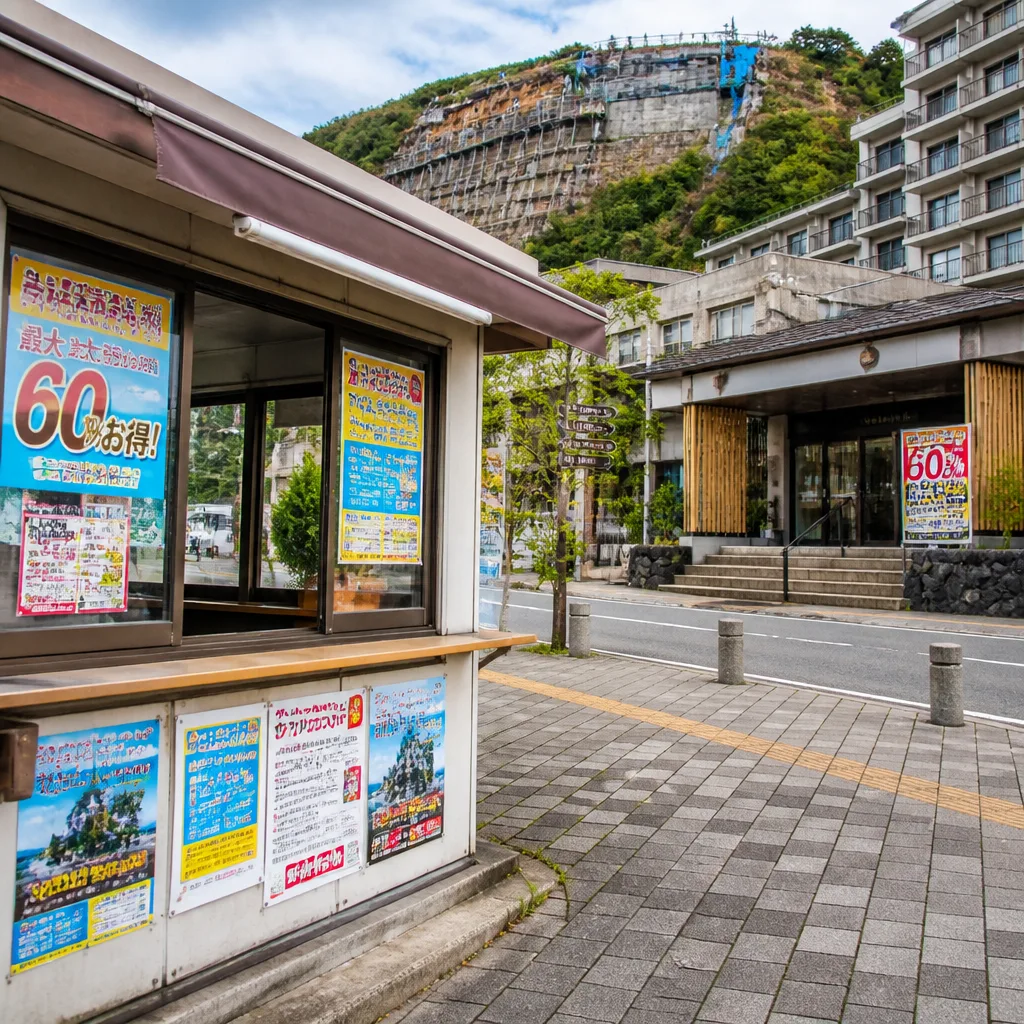
Japan has begun accepting reservations for a government-backed travel discount campaign aimed at reviving tourism across the southwestern island of Kyushu after the magnitude-7.1 earthquake on 28 July.
What the scheme offers
The campaign provides significant subsidies on accommodation and travel, with the deepest cuts of 60% in Kumamoto and Kagoshima — areas that experienced large numbers of cancelled bookings after the quake. Other prefectures in Kyushu will offer discounts of 50%.
- Maximum subsidy per person: up to 20,000 yen for a one-night stay;
- 30,000 yen for stays of two nights or more;
- 35,000 yen for trips that include overnight stays in at least two prefectures.
Reservations for Kumamoto and Nagasaki opened first. Saga, Nagasaki, Kumamoto and Oita have said the discounts will apply to travel from 1 October through 25 December. Saga will begin taking bookings from 24 September, while Oita and Miyazaki expect to start in late September. Fukuoka aims to launch its own offering in October. Kagoshima is considering a mid-October start after its local tourism discount programme ends on 13 October.
Damage to the tourism sector
The economic impact on visitor bookings has been substantial. According to government reports cited in the campaign announcement, cancelled hotel bookings amounted to about 2.7 billion yen in Kumamoto Prefecture as of 21 August, and about 2.3 billion yen in Kagoshima Prefecture by the end of August.
At a morning press conference, Chief Cabinet Secretary Minoru Kihara said the government hopes the campaign will help counter reputational damage to the region and "steadily advance the recovery of tourism" across Kyushu.
The subsidy mirrors earlier measures Japan has used after major quakes, notably following the 2016 Kumamoto and the 2024 Noto Peninsula earthquakes, where central government support helped offset accommodation and tour costs for visitors.
What travellers should consider
For South African travellers thinking of visiting Kyushu this spring and summer, the scheme presents a chance to explore cities and coastal areas at reduced cost while supporting local recovery. Practical points to note:
- Discounts are conditional on travel dates and the specific prefecture campaign timelines — check individual prefecture launch dates before booking.
- The maximum subsidy varies by length of stay and whether your trip includes overnight stays in multiple prefectures.
- Bookings may be limited and subject to the availability of participating hotels and tour operators.
Travel insurance that covers natural disasters remains advisable. While the discount scheme helps with immediate costs, infrastructure repairs and restoration of heritage sites — such as stone fortifications at Kumamoto Castle that collapsed in the quake — will take longer.
Broader implications
Beyond offering cheaper trips for tourists, the campaign is intended to counter negative perceptions about safety in affected areas and to encourage people to book stays that will put money back into local economies reliant on visitor income. Government experience with similar programmes suggests such subsidies can play a useful role in short- to medium-term recovery, though long-term rebuilding requires continued investment and time.
| Prefectures with initial details | Discount rate | Travel window |
|---|---|---|
| Kumamoto | 60% | 1 Oct–25 Dec |
| Kagoshima | 60% | Under consideration (mid-Oct possible) |
| Nagasaki | 50% (campaign announced) | 1 Oct–25 Dec (announced) |
| Saga, Oita, Miyazaki, Fukuoka | 50% | Booking start dates vary (late Sept–Oct) |
For travellers and tour operators watching developments, the next weeks will show how quickly the remaining prefectures finalise launch dates and how the market responds. If you are planning a trip to Kyushu, keep an eye on prefectural tourism sites and your travel provider for booking windows and participating accommodation.
These discounts are an invitation to visit a region that is rebuilding — and to do so in a way that directly supports local recovery while enjoying Kyushu's varied landscapes, cuisine and culture.











