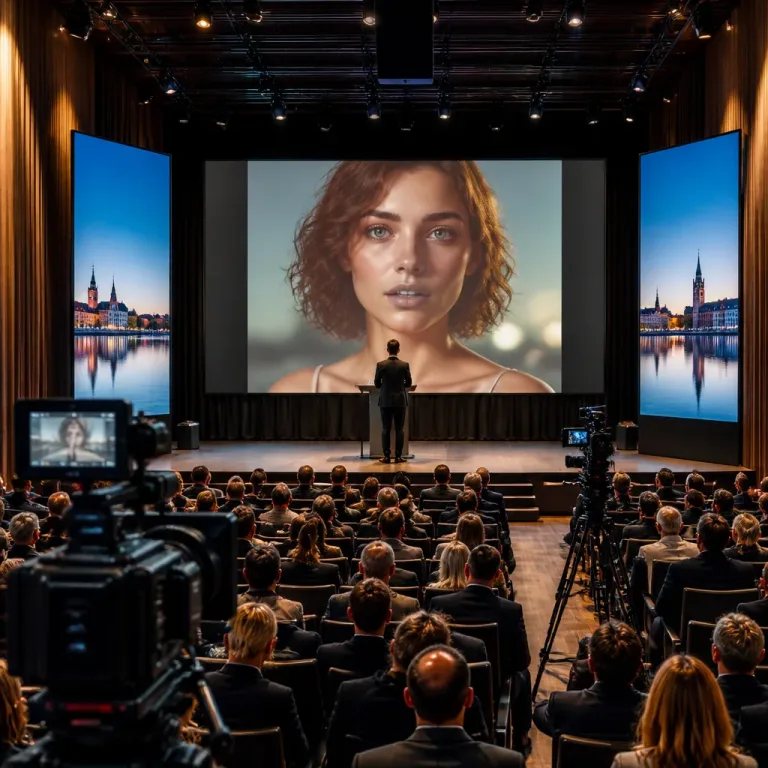
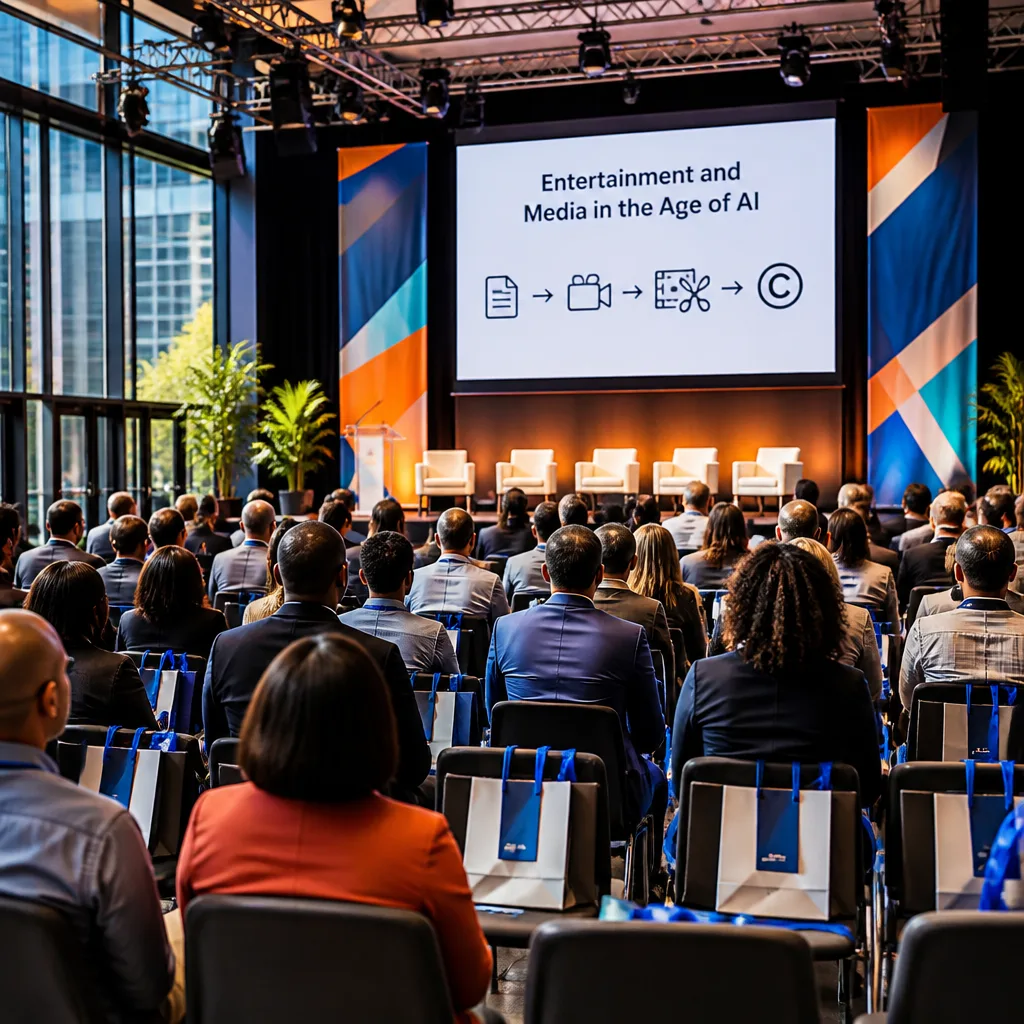
Executives and technologists from major studios, streaming platforms and tech companies are urging the entertainment sector to move beyond hype and define concrete uses for artificial intelligence in film and television production. The call emerged during the "Entertainment and Media in the Age of AI" panel at an industry summit presented by EY, where industry representatives discussed frameworks, creator relationships and the practicalities of integrating AI tools into workflows.
Too broad a term, industry needs clearer language
“I think the word ‘AI’ is doing too much right now,” said Mira Line, Google’s vice president of technology and society, during the session. The comment set the tone for a discussion focused less on sensational claims and more on how to break the technology down into usable components for creatives and production teams.
“I think the word ‘AI’ is doing too much right now,” said Mira Line, Google’s vice president of technology and society.
Panel participants highlighted the need to clarify terminology and to map specific tools to stages of production — from de‑noising audio to synthetic character creation — rather than treating AI as a single monolithic force. Those distinctions, they argued, will help determine which outputs can be considered copyrightable and how creators are credited and remunerated.
Frameworks, trust and creator engagement
Speakers emphasised that building trust with creators is vital. Girish Balakrishnan, senior director of creative innovation at Netflix, described the company’s public framework for generative AI use across its production pipeline as a means to provide clarity for creative teams. The framework applies generative techniques to roughly 300 programmes, Balakrishnan said, and is intended to give creators a clear pathway to test and adopt use cases that support — rather than supplant — creative decision‑making.
Other industry frameworks are also emerging. The panel referenced a recent paper led by Kathleen Kennedy and the American Film Institute that proposes "Human Generative Workflows" to outline how human creativity and generative tools can co‑exist on set and in post‑production. Mira Line said she helped develop that paper and the exercise included examination of a range of tooling from basic restoration to fully synthetic character techniques.
- Key industry representatives on the panel included executives from Netflix, Lionsgate, Hasbro, Teads and Adobe.
- Practical focus: defining specific use cases for AI within production and creating trust mechanisms for creators.
- Copyright questions: how and when AI‑backed outputs might be eligible for copyright protection remains unresolved.
Who was on stage
The conversation brought together a mix of studio, streamer and technology perspectives. Participants named during the session included:
| Organisation | Representative |
|---|---|
| Mira Line, VP of Technology and Society | |
| Netflix | Girish Balakrishnan, Senior Director, Creative Innovation |
| Lionsgate | Kathleen Grace, Chief AI Officer |
| Hasbro (Sixth Wall) | Bertie Thomson, Head of AI Studio |
| Teads | Annaka Vasquez, SVP Sales |
| Adobe | Meagan Keane, Head of Pro Video Business Strategy |
The mix of voices underlined that the conversation about AI in entertainment is not purely technical: it crosses creative, legal and commercial lines.
Implications for South African creators and the local industry
While the panel was convened in an international context, the issues raised are relevant for South African filmmakers, broadcasters and streamers. Clear frameworks and transparent policies could help local creators understand when and how to use AI tools — for example in editing, visual effects or subtitling — while protecting credits and revenue streams. Conversely, lack of clarity risks sowing mistrust between talent and producers, and could complicate rights management across borders.
Panelists suggested the pathway forward is practical: develop tool‑specific guidelines, engage creatives early, and build trust by being transparent about when and how AI is used in production. How copyright regimes adapt to new forms of co‑created work will be a decisive factor in whether AI is primarily an enabling technology or a source of controversy.
The session encouraged an industry‑wide shift from debating whether AI will change entertainment to detailing how it will do so — and who benefits when it does.