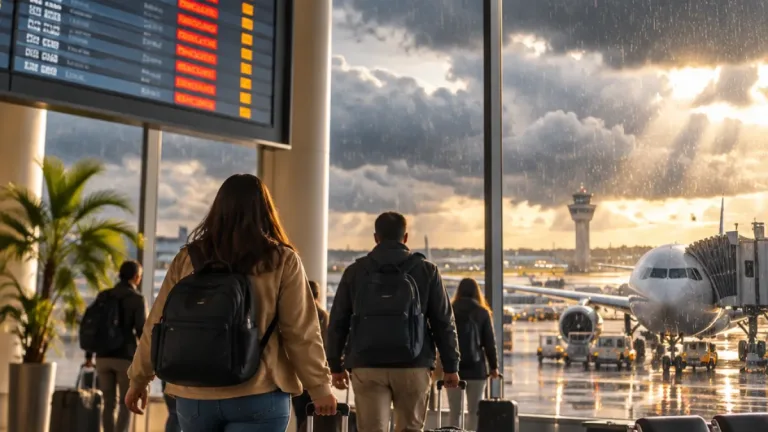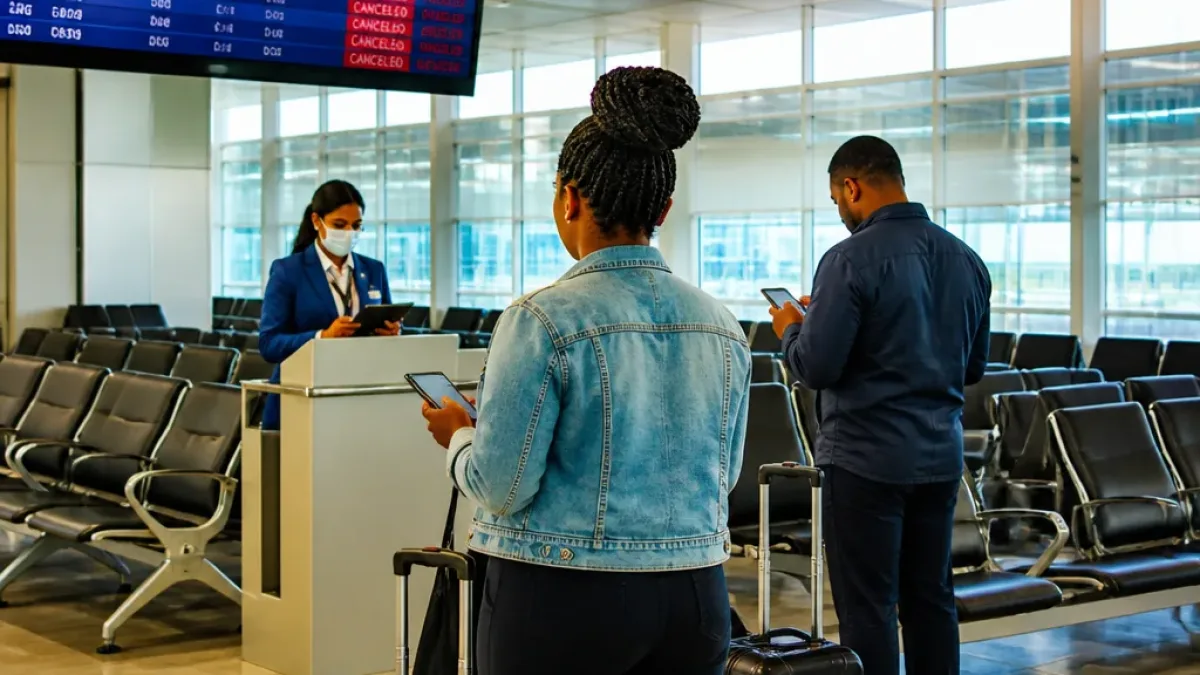
Travel to Saudi Arabia and the wider Middle East has become more uncertain after a string of Houthi attacks that targeted airports and other infrastructure, leading to suspended flights, travel advisories and at least temporary changes to airlines' plans.
Casualties and immediate disruption
According to reporting, the latest attacks killed 13 people and wounded hundreds last Saturday. A further strike the following day killed one person and injured roughly a dozen more. In response, flights to and from Riyadh have been suspended for the week; authorities said the main airport was set to reopen on Sunday but that remained unconfirmed at the time of reporting.
Warnings from foreign governments and aviation authorities
The US State Department advised Americans to reconsider travel to Saudi Arabia, citing the risk of missile and drone attacks, armed conflict and terrorism, and warning of “potential flight cancellations, airspace closures, and travel disruptions.” The UK Foreign Office likewise described a heightened threat to airports and other infrastructure across Saudi Arabia, naming Riyadh, Jeddah and Abha specifically.
The Federal Aviation Administration informed US airlines that threats could pose risks during overflights as well as takeoffs and landings in Saudi airspace. Aviation-risk firm Osprey Flight Solutions warned that unannounced missile launches through civilian airspace create a hazard to flight operations at all altitudes, due to malfunctioning weapons, falling debris and sudden route changes, and assessed that further attacks on Saudi aviation and energy infrastructure were likely in the short term.
"Saudi Arabia remains an important market for Delta, and we are committed to serving the Kingdom for the long term," Delta Air Lines said as it postponed a new Atlanta–Riyadh route.
Airline responses and route changes
Commercial carriers have already adjusted plans. Delta Air Lines delayed the launch of its Atlanta-to-Riyadh service, originally due to begin on 23 October 2026, until March 2027. The airline framed the postponement as temporary while reaffirming its long-term commitment to the Saudi market.
Many air routes still transit eastern Saudi airspace, including services connecting hubs in Qatar and the United Arab Emirates with East Asia. However, changes to routings, cancellations or temporary airspace closures can cause knock-on delays and rebookings for passengers travelling through those hubs.
What travellers should do now
The situation is fluid. Practical steps for South Africans and other travellers planning journeys that touch Saudi airspace include:
- Check your airline’s app or website before travelling to the airport — cancellations or automatic rebookings may already be in place.
- Monitor travel advisories from your government and major receiving countries; these can affect insurance cover and consular support.
- Expect possible rerouting via other hubs and allow extra time for connections or transfers.
| Item | Reported detail |
|---|---|
| Fatalities (latest weekend) | 13 killed; hundreds wounded |
| Additional strike | 1 killed; about a dozen injured |
| Delta route delay | Launch moved from 23 October 2026 to March 2027 |
Broader context
The attacks are part of a wider pattern linked to the Yemeni conflict. The Houthi movement, which controls territory around the Bab el-Mandeb Strait — a strategic shipping route between the Red Sea and the Gulf of Aden — has been striking Saudi infrastructure amid the regional escalation. Saudi support for Yemen’s internationally recognised government is a long-running element of the conflict, which dates back to 2014.
For South Africans planning travel that involves the Middle East, the immediate priority is to stay informed through official channels and airlines. With airlines and authorities responding to an uncertain threat environment, flexibility and early checks can reduce the stress of last‑minute cancellations and reroutings.