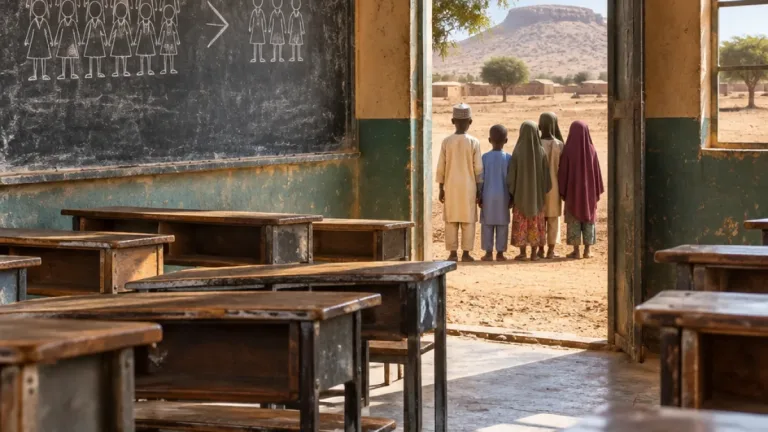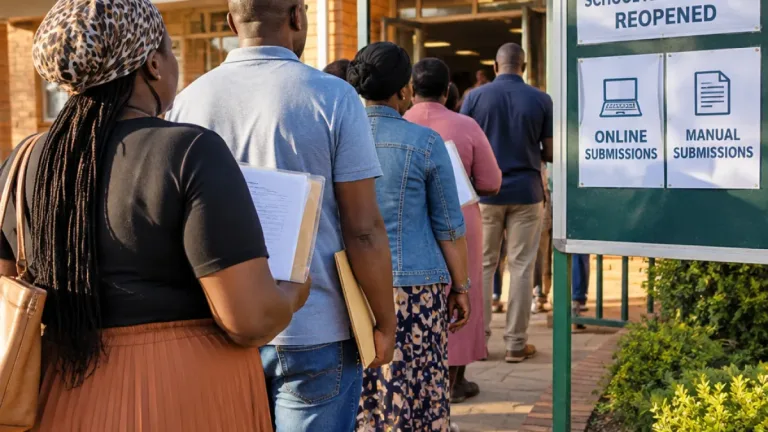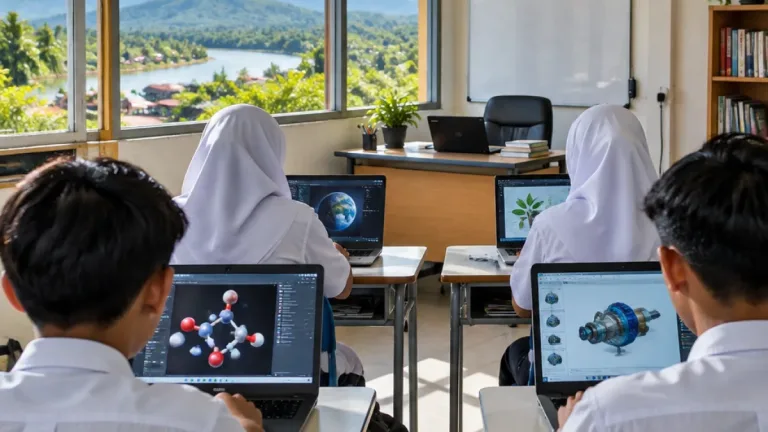
The United Kingdom will extend its education programme in Syria to communities across the country from 2027, after the initiative supported more than one million children in the country’s north-west. The next phase will receive up to £25 million and will run until 2032, with a focus on children who have lost learning time, families returning home and communities that remain difficult to reach.
The programme, which began in 2018 after conflict damaged schools and displaced millions of people, has concentrated on improving literacy and numeracy, strengthening teacher capacity and making learning spaces safer and more accessible. Its expansion will be carried out in partnership with the Syrian Ministry of Education, marking a broader effort to support the country’s education system rather than only individual schools or communities.
Support for children returning home
Families returning to Syria since the fall of the Assad regime are among those expected to benefit from the new phase. Many children in these families have experienced interruptions to their schooling, and the programme will provide after-school classes and tailored assistance to help them recover missed learning.
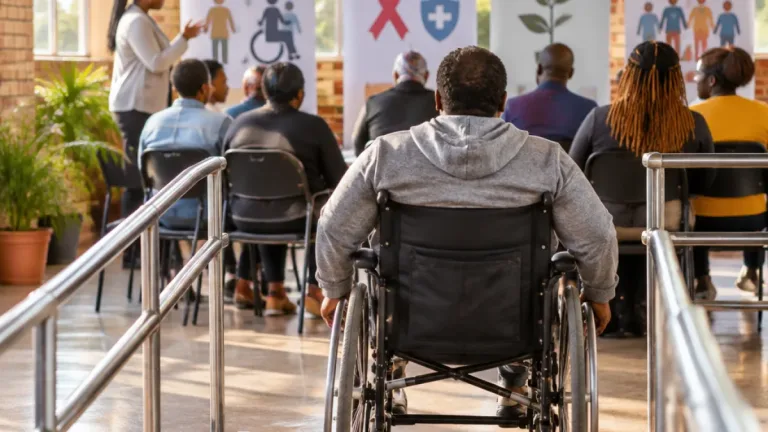
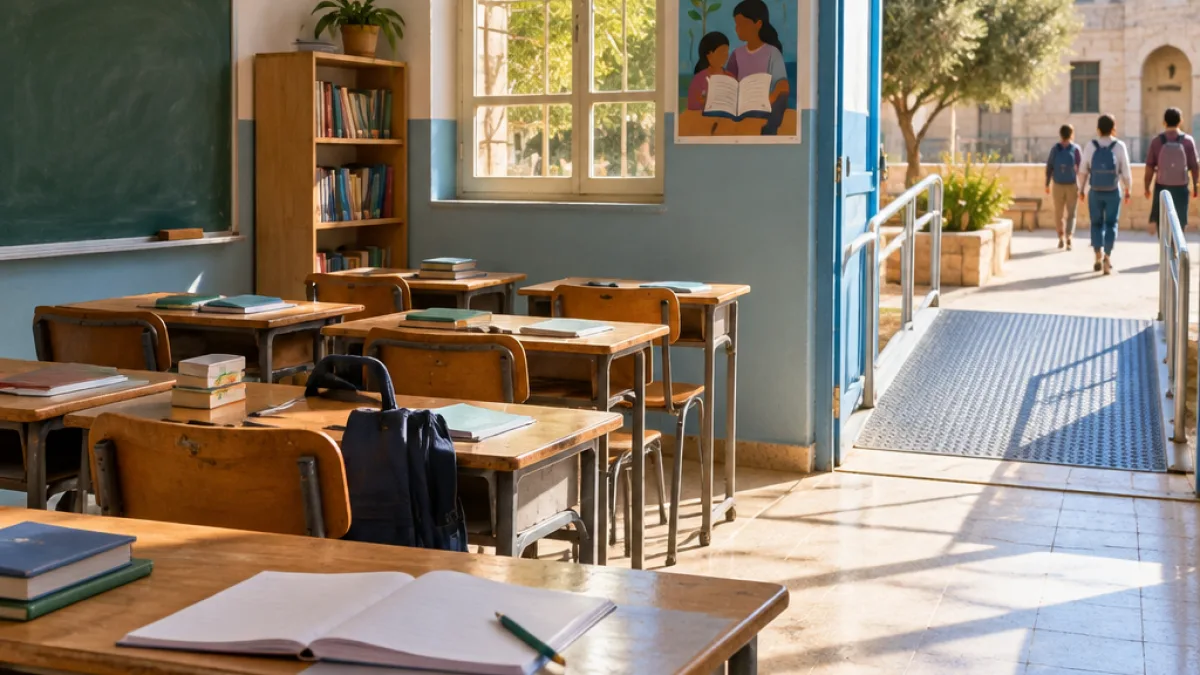
The initiative’s reported reach also includes a substantial proportion of girls. They account for 49% of the children supported so far. The programme has also increased provision for learners with disabilities, with more than 100 special education centres now operating in public schools, compared with 17 in 2021.
| Programme measure | Reported figure |
|---|---|
| Children supported | More than 1 million |
| Girls among those reached | 49% |
| Special education centres | More than 100, up from 17 in 2021 |
| Next programme phase | 2027 to 2032 |
| Funding announced | Up to £25 million |
Teachers at the centre of recovery
Middle East Minister Stephen Doughty marked the milestone during a virtual meeting with a teacher involved in the programme. He said educators had played a central role throughout the past decade and were essential to ensuring that young Syrians developed the skills and opportunities needed for the future.
“Teachers are crucial to the next generation.”
Doughty also paid tribute to teachers working to keep education going and to promote its value in communities. The comments place educators at the centre of the programme’s next stage, as schools are expected to support both children who remained in Syria during the conflict and those returning after displacement.
A wider national education system
According to the programme’s plans, the third phase will focus on several linked priorities:
- expanding assistance from north-west Syria to communities across the country;
- reaching hard-to-access areas and families returning home;
- offering additional classes and individualised support to address learning gaps;
- working with the Syrian Ministry of Education to strengthen the national education system; and
- continuing support for safer, more accessible schools and inclusive education.
The programme’s organisers have linked education support with longer-term stability, arguing that stronger access to learning can help address the conditions that contribute to displacement. The United Kingdom has also reaffirmed its commitment to an inclusive political transition that protects the rights of all Syrians.
For learners and families, the expansion will determine whether support reaches beyond areas already served by the programme. Its success will depend on the ability to provide catch-up learning, maintain teacher support and extend services for children with disabilities as the initiative moves into communities across Syria. The new phase therefore represents both an increase in funding and a shift towards rebuilding a more connected and inclusive education system.