Australia’s scientific community is mourning Emeritus Professor Chris Dickman, an ecologist and conservation advocate whose research helped reveal how small predators shape desert ecosystems and how threatened wildlife responds to environmental pressure. Dickman died on 17 November 2026, leaving behind more than three decades of fieldwork in the Simpson Desert and a broad body of research on Australian mammals.
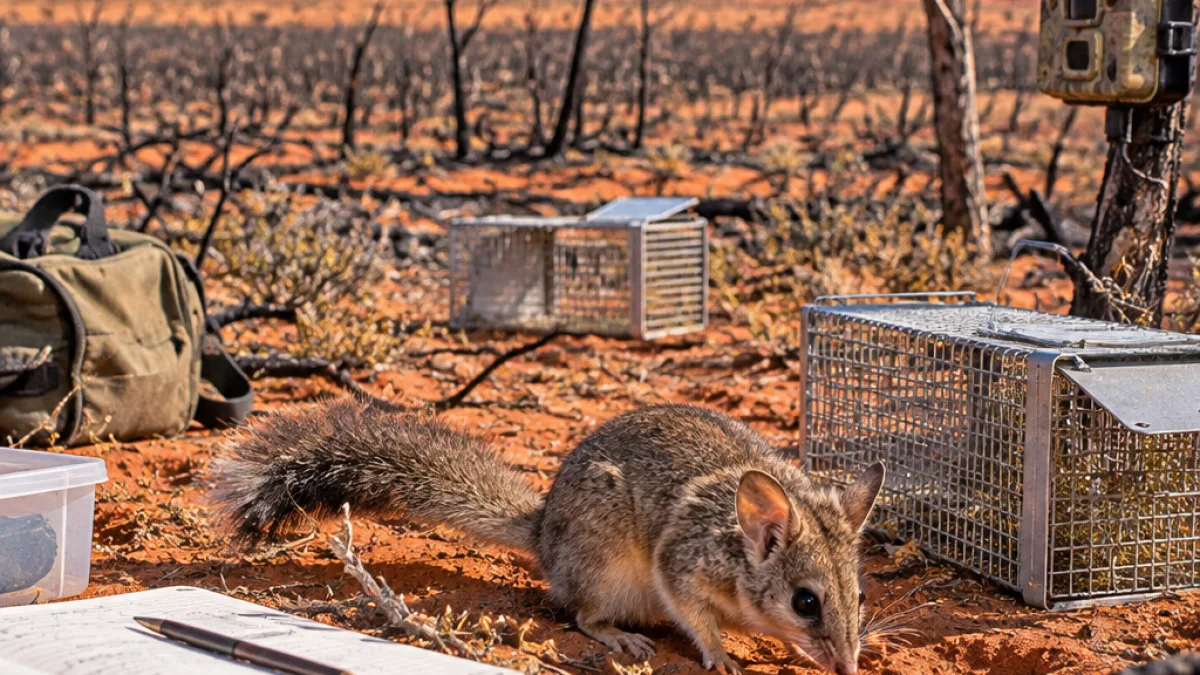
His work was marked by patience and close observation. Dickman and his research team spent extended periods camping in the desert, trapping animals carefully and monitoring both wildlife and plant communities. The method was demanding but important: repeated observations over many years can show how species interact, how their numbers change and what happens when one part of an ecosystem is disturbed.
“the ratcatchers”
That was the informal name used for Dickman’s research group, reflecting the team’s work studying small desert animals. Their investigations showed that creatures which may appear insignificant can have an important ecological function. One example is the brush-tailed mulgara, a small marsupial predator that helps regulate other predators, including the lesser hairy-footed dunnart.
A career built around Australia’s wildlife
Dickman’s scientific interests extended across a wide range of species. His work included research on the marsupial Antechinus, dunnarts, long-haired rats, mulgaras, quolls, sandy inland hopping mice, spinifex hopping mice and the Tasmanian devil. Studying such animals helped document the complexity of Australian ecosystems while also identifying the threats facing them.
Among those threats were introduced predators, particularly feral cats and foxes. These animals can place pressure on native species that evolved in different ecological conditions. Dickman’s research contributed to a clearer understanding of the lives of native mammals and the challenges they face in landscapes where predation, habitat change and other pressures affect survival.
- Field focus: the Simpson Desert and its small mammals, predators and plant communities.
- Conservation focus: the pressures created by feral cats and foxes, among other threats.
- Wider contribution: research, public service and efforts to bring scientists together around difficult wildlife-management questions.
Research with consequences beyond the desert
Dickman was also among the early scientists to draw attention to the contested question of dingo management. Rather than treating the issue as a simple argument between opposing sides, he helped convene a scientific forum that brought specialists together. The purpose of such forums is to place evidence at the centre of decisions about wildlife, particularly where the management of one species may affect several others.
His work also helped quantify the enormous effect of Australia’s 2019-20 bushfire crisis. Working with Lily van Eeden, Dickman led a research team that produced an initial estimate of three billion animals affected by the fires. The figure drew international attention because it demonstrated the scale of the disaster in terms that extended beyond burned land and damaged infrastructure. It included the vast number of animals whose lives were disrupted, threatened or lost during the crisis.
A legacy carried by people and evidence
Dickman’s influence was not limited to published research. He was described as an internationally respected leader in wildlife conservation who combined serious scientific work with an approachable personality. A celebratory forum and festschrift — a collection of written tributes honouring a scholar — was held in his name in June. About 200 people attended in person, while a further 140 joined online.
| Fact | Detail |
|---|---|
| Field of work | Ecology and wildlife conservation |
| Long-term study area | Australia’s Simpson Desert |
| Major bushfire research | Estimated three billion animals were affected by the 2019-20 fires |
| Date of death | 17 November 2026 |
The tributes to Dickman emphasise a central lesson of ecology: an ecosystem is not defined only by its largest or most visible animals. Small marsupials, rodents and predators can influence the balance of entire communities. By documenting those relationships over time, Dickman helped make Australia’s less familiar wildlife more visible to science and the public. His legacy therefore lies not only in the species he studied, but also in the evidence-based approach he brought to conservation decisions.