A different kind of shopping trip
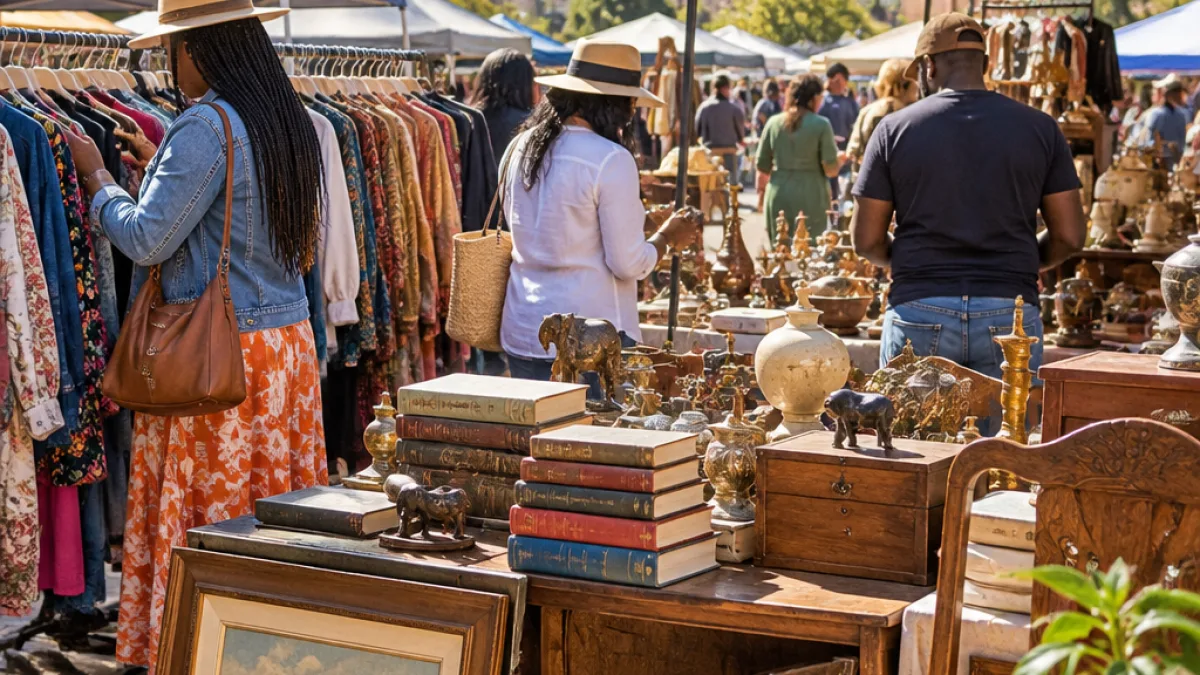
Randburg shoppers turned out for the latest monthly thrift market on Tin Road, where the appeal lay in finding distinctive second-hand goods rather than browsing conventional retail shelves. Stalls featured vintage clothing, ornaments, furniture, books, collectables and other household items, giving visitors the chance to search through pieces with character and history.
The market was introduced after traders requested an event specifically suited to this kind of merchandise. Organiser Tracey Cownley said the concept was designed to serve shoppers looking for something different while creating another platform for stallholders. The format has also helped make the market more than a simple buying-and-selling exercise, with visitors able to spend time examining unusual items and learning about their background.
“One man’s rubbish is another man’s treasure.”
That idea was central to the market’s appeal. For shoppers, the attraction is the possibility of finding a well-made or unusual item at a bargain price. For traders, the event offers access to customers who value original goods and are prepared to look beyond mass-produced stock. The result is a marketplace built around discovery, conversation and personal taste.
Traders value the platform
Diane King, who has traded at markets for several years, praised the authenticity of the sellers attending Cownley’s events. She said many vendors offered items sourced for their character and appeal, rather than simply reselling newly manufactured products. That distinction, she said, was one of the reasons she continued returning to the markets.
King also highlighted the organisation of the event. Practical details such as prepared stands and seating can shape a trader’s experience, particularly for vendors who rely on markets to display their stock and engage directly with the public. She described the Tin Road market as structured and well promoted, making it easier for sellers to concentrate on their goods and customers.
For residents considering a visit to a future market, the available stalls may include:
- Vintage clothing and accessories
- Ornaments, furniture and books
- Collectables, bric-a-brac and household pieces
- Speciality items such as vintage tea sets
A side hustle becomes a livelihood
Caroline Mwangi attended the Tin Road thrift market for the first time, although she has been selling at markets for eight years. What began as a side hustle became her main source of income after she was retrenched. Her stall included vintage collectables and bric-a-brac, reflecting the broad range of goods available to customers.
Mwangi said the value of market trading extended beyond making an extra income. She described meeting people and learning about the history of the objects she sells as among the most rewarding parts of the work. One example was a Japanese tea set featuring a geisha portrait, which prompted her to learn more about why the item was considered collectable.
That exchange between seller and shopper is an important part of the thrift-market experience. A customer may recognise an item from a family home, while a trader may provide information that adds meaning to a purchase. The market therefore gives second-hand goods a social dimension, with objects moving from one owner to another alongside stories about their use and origins.
For Randburg, the monthly event provides a regular meeting point for independent traders and residents seeking an alternative to ordinary shopping. It also shows how local markets can support people whose income depends on selling directly to the public. As the Tin Road event continues, its combination of vintage merchandise, organised stalls and personal interaction is helping to establish a distinct place in the area’s community calendar.