
A study tracking green building certification in South Africa between 2011 and 2023 shows the movement is expanding — but largely in wealthy urban centres and mainly through upgrades to existing properties rather than new, purpose-built green developments.
What the research found
Researchers reviewed 510 buildings that received green certifications during the 12-year period. Their analysis found that most certified projects were located in Johannesburg, Cape Town and Sandton, and that certification tended to reflect incremental improvements to older stock rather than ambitious new builds designed from the outset to be net‑zero or ultra‑efficient.
Most of the certified buildings earned only midlevel ratings under the certification scheme used in the study, with the top accolade — a six‑star rating — rare. The researchers also highlighted instances of very low ratings, raising the possibility that some claims of ‘green’ status amount to greenwashing.
Why this matters for South Africa
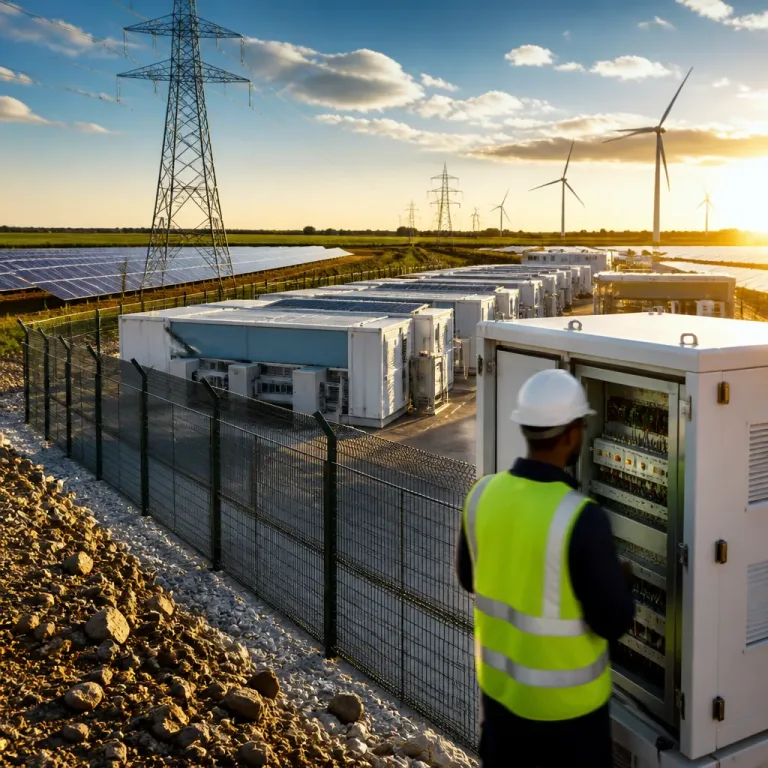
Green building measures — from improved insulation and energy‑efficient lighting to solar panels and rainwater harvesting — can reduce operating costs for occupants while lowering environmental impact. In a country grappling with constrained electricity supply and rising living costs, measures that reduce energy use and demand peaks have direct, practical value.
But concentrated uptake in a few affluent nodes means inequalities may be reinforced: the benefits of lower running costs and healthier indoor environments are more accessible to businesses and homeowners in already well‑resourced suburbs and central business districts. The pattern also suggests that municipal policies, developer priorities and local market incentives strongly shape where green upgrades happen.
Upgrades versus new green construction
The study emphasises that most certifications were for retrofitting existing buildings. That signals two things: first, green features can be applied to the large stock of older buildings, potentially offering scale for emissions reductions; second, the market currently favours incremental improvement rather than wholesale replacement.
- Retrofitting can be faster and cheaper than rebuilding, and often delivers measurable reductions in energy and water consumption.
- Midlevel certification suggests developers and owners are making practical, cost‑sensitive choices rather than pursuing the highest possible rating.
- Low certification scores in some cases point to inconsistent standards or token measures that do not deliver substantive benefits.
Policy and market implications
The researchers call for further work to quantify the value that green upgrades add to property, and to assess whether certification reliably prevents misleading marketing claims. If certification is to support broader sustainability objectives, policymakers and industry bodies must ensure the system rewards meaningful interventions and is accessible beyond high‑value precincts.
Possible policy levers include:
- Incentives for retrofits in middle‑ and lower‑income areas, such as grants, tax relief or low‑interest loans.
- Stronger verification and transparency to reduce the risk of greenwashing.
- Integration of green standards into municipal planning and building regulations to widen uptake.
Data snapshot
| Time period | Buildings certified |
|---|---|
| 2011–2023 | 510 |
Expanding the pool of certified projects beyond the major metros will be important if South Africa is to capture the full economic and environmental potential of greener buildings. The study’s next steps are to quantify the financial benefits of certification for property owners and to test whether the current system adequately prevents exaggerated sustainability claims.
For everyday South Africans, the practical question is whether green measures lower the monthly costs of living and improve comfort. The evidence so far suggests real gains are possible, but policy and market action will determine whether those gains reach beyond a handful of prosperous urban centres.