
The Gauteng provincial government has issued an urgent safety appeal as wet, cold weather grips the province and pressure on the electricity network rises. Provincial spokesperson Elijah Mhlanga warned residents to place safety first as households look for ways to keep warm and the City of Johannesburg monitors higher demand on the grid.
Cold, rain and a stressed electricity network
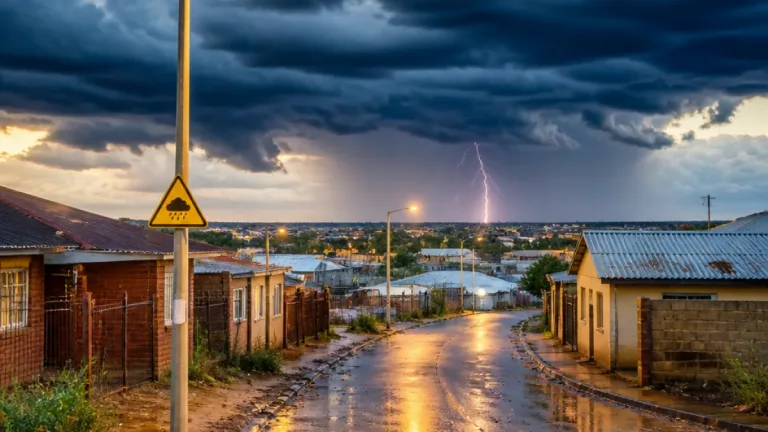
Officials said rainfall combined with temperatures expected to drop to around 3–4°C in some areas will create additional hazards for motorists, pedestrians and vulnerable communities. The warning comes while City Power works to keep the network stable amid increased consumption caused by the inclement conditions.
Mhlanga emphasised the risks posed by unsafe heating methods and illegal electricity connections. He urged residents to take care when using heaters, braziers, paraffin stoves and candles to ward off the cold, and to avoid tampering with electrical infrastructure.
“We urge residents [to] prepare for rainfall and very cold temperatures, with temperatures expected to drop to around 3–4°C in some parts of the province,” said Elijah Mhlanga.
Practical safety advice for households
The provincial message focused on reducing preventable incidents during the cold snap. Authorities highlighted three main areas of concern: home heating safety, illegal electricity connections and travel risks on wet roads.
- Never use open fires, braziers or paraffin heaters in enclosed, poorly ventilated rooms without supervision.
- Avoid illegal electricity connections and theft, which increase the risk of electrocution and fire and also destabilise supply for neighbours.
- Keep heaters away from curtains, bedding and other flammable materials and never leave heating devices unattended while sleeping.
Mhlanga also reminded residents that where ventilation is required for certain heating devices, they must ensure adequate airflow to reduce the risk of carbon monoxide build-up.
Road safety as visibility and traction worsen
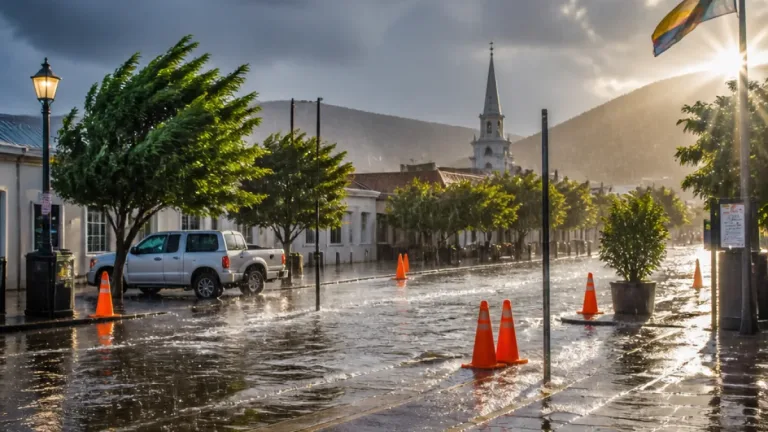
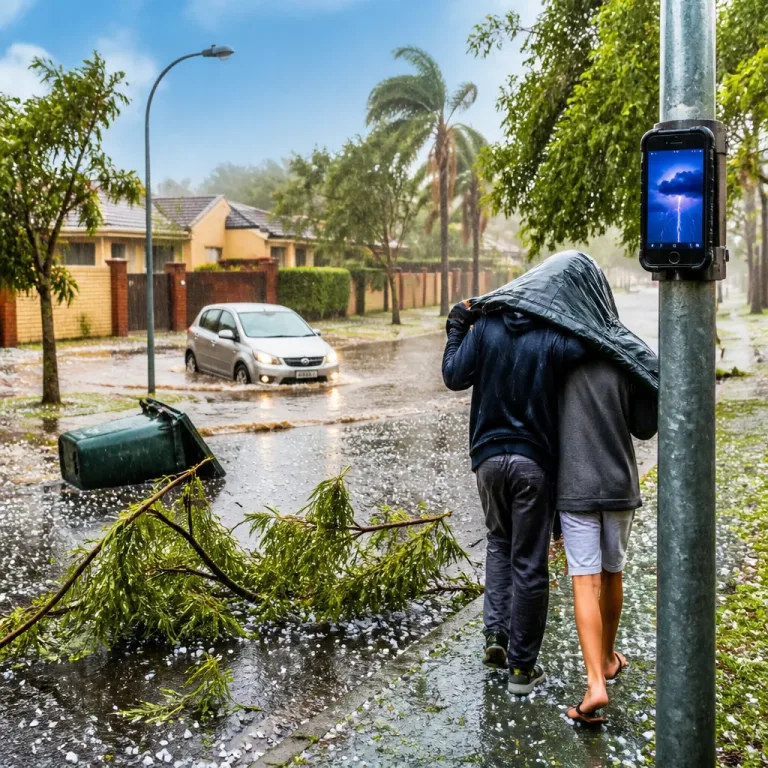
Alongside household risks, the province warned of heightened danger on the roads. The combination of rain, cold temperatures and wet surfaces may lead to slippery conditions and reduced visibility, particularly at night and on elevated routes.
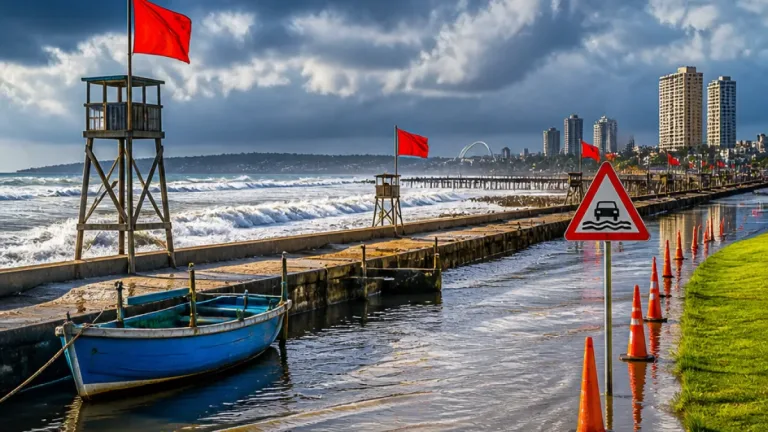
Motorists were urged to reduce speed, maintain a safe following distance, use headlights when visibility is poor and avoid driving through flooded roads or bridges. Pedestrians were advised to avoid walking through fast-flowing water or flooded areas.
Who is monitoring and how residents can stay informed
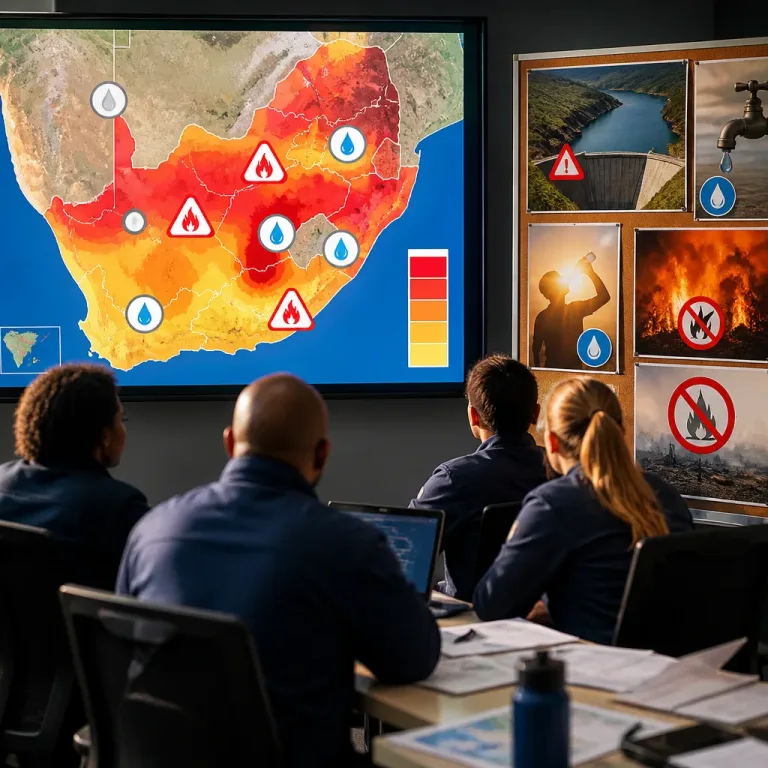
The provincial government said its disaster management and emergency response structures are monitoring the situation and coordinating with municipalities, City Power and other stakeholders. Authorities asked residents to monitor official weather and emergency alerts and to check on vulnerable neighbours and elderly family members.
| Risk | Advice |
|---|---|
| Unsafe heating | Use certified electric heaters where possible; never leave flames unattended |
| Illegal electricity connections | Report to local authorities; do not attempt DIY tap-ins |
| Driving in wet/cold conditions | Slow down, use headlights, avoid flooded routes |
The provincial appeal underscores the double strain: households trying to stay warm while critical infrastructure faces heavier loads. City Power is reported to be monitoring demand and network performance, but the provincial government warned that individual choices — especially unsafe heating or illegal electricity use — could worsen the situation for entire communities.
Residents are encouraged to keep battery-powered torches and charged phones for emergencies, to have a plan for vulnerable household members, and to follow updates from municipal emergency services. Where possible, seek shelter in properly ventilated, secure spaces and avoid risky attempts to heat homes that could lead to fire or poisoning.
As the cold spell unfolds, the provincial government’s message is clear: take sensible precautions, avoid illegal or unsafe power practices, and heed official alerts to reduce harm and help the grid cope with increased demand.