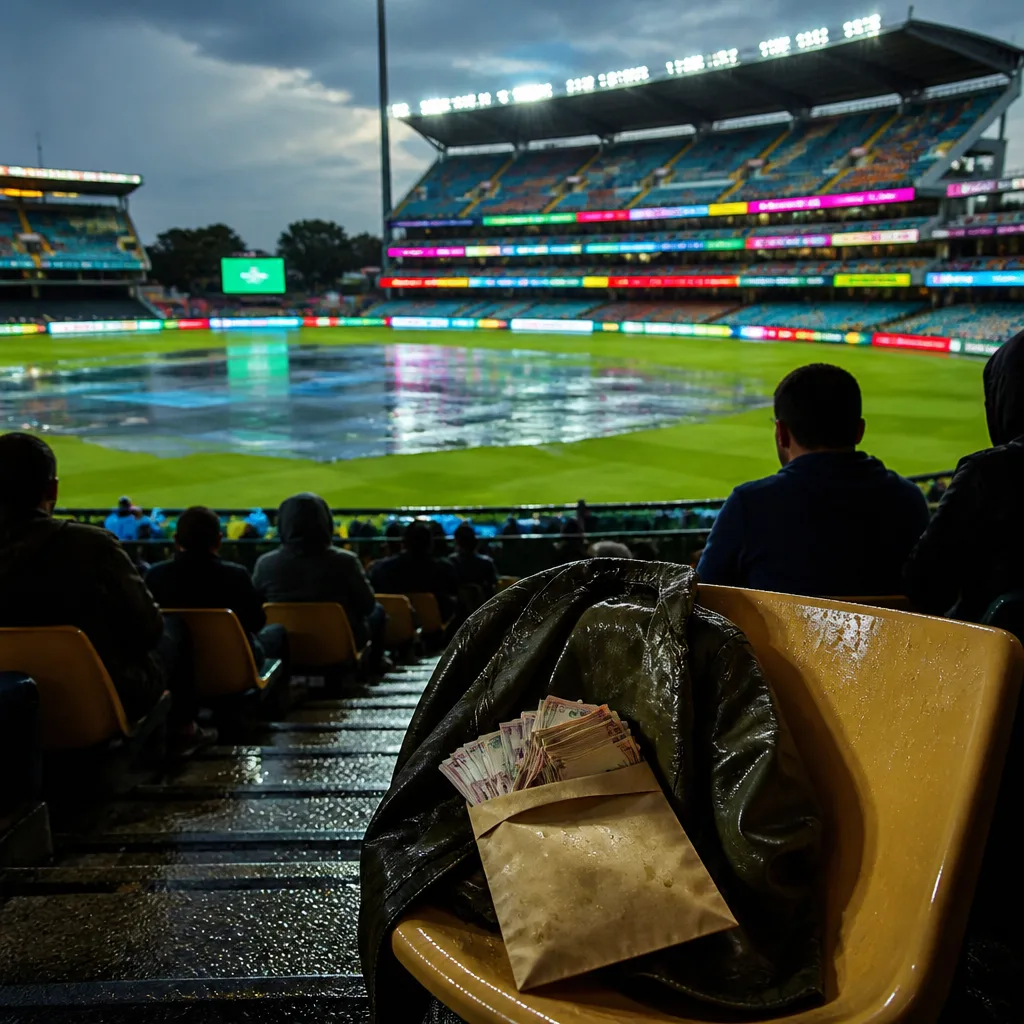
More than 25 years on from the Centurion Test that marked the fall from grace of Hansie Cronje, the world of sport in South Africa finds itself grappling with a very different challenge: the widespread socialisation and glamourisation of gambling.
From a single scandal to an industry on every hoarding
At Centurion, rain had threatened to turn a Test into a routine draw until an improbable proposal — a double declaration that would force a one-innings result — elevated the contest into what many fans then saw as inspired thinking. That moment later became synonymous with the darker influence of bookmakers. According to the historical account in the source material, one bookmaker had reached Cronje and discussed the idea of a contrived result in exchange for cash and a leather jacket. When the truth emerged, it was described as cricket's "end of innocence".
What once appeared as a shadowy fringe — bookmakers operating around racetracks and exclusive betting rooms — is now highly visible. The source describes how gambling has been increasingly socialised: sports venues carry gambling advertising and betting firms have moved from the periphery to the very places where sport is celebrated.
What that visibility means
The greater public presence of betting firms carries several consequences for sport and for supporters:
- Normalisation: The constant presence of adverts at matches helps frame betting as part of the spectator experience rather than an optional extra.
- Financial risk: The shift from closed, controlled betting environments to mass-market promotion increases exposure, particularly for people already economically vulnerable.
- Integrity concerns: The Cronje episode remains a historic warning that commercial incentives can cross a line into manipulation and corruption.
While the Centurion scandal involved clandestine approaches by a bookmaker, the contemporary picture is more diffuse: advertising, sponsorship and digital platforms all make betting easier to access and harder to keep at arm's length.
Where sport and society meet
The source material points to a broader cultural shift. Decades ago, gambling largely took place in casinos and at racetracks where patronage was more limited. Today gambling sits beside the match-day beer seller and in the breaks of a televised fixture. That ubiquity has policy and ethical implications for the sporting codes, broadcasters and commercial partners who decide where to draw lines.
For supporters, especially those struggling financially, the increased visibility and marketing of gambling can turn a pastime into a hazard. The economics of sport — where a win can be far more lucrative to a bookmaker than a draw — also mean that pressures on players and officials to produce sporting outcomes can be intensified.
A cautionary tale with continuing relevance
The story of Hansie Cronje remains a blunt reminder that the separation between sport and betting is not guaranteed. As gambling firms embed themselves into stadia and screens, the task for administrators is to ensure safeguards that protect fans and preserve the integrity of competition. The source material does not prescribe specific remedies, but its account underscores why regulators, sporting bodies and broadcasters must grapple with how to manage sponsorship, advertising and access to betting products.
Sport thrives on honest competition. The Centurion Test showed what can happen when that trust is breached. The contemporary shift in the gambling landscape — from discrete venues to mainstream visibility — raises equally urgent questions about how to shield vulnerable South Africans and how to preserve the spirit of the game.