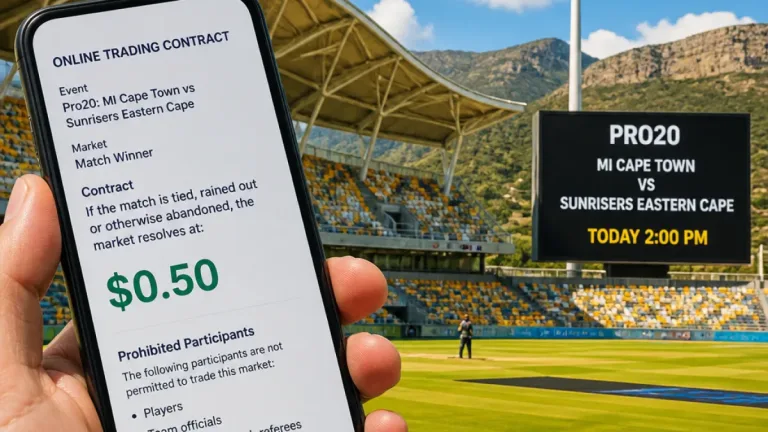
South Africa’s love of sport has long been part of our national fabric. But that affection is increasingly entangled with an expanding online betting industry that is changing how people follow matches, manage money and experience games.
Easy access, heavy consequences
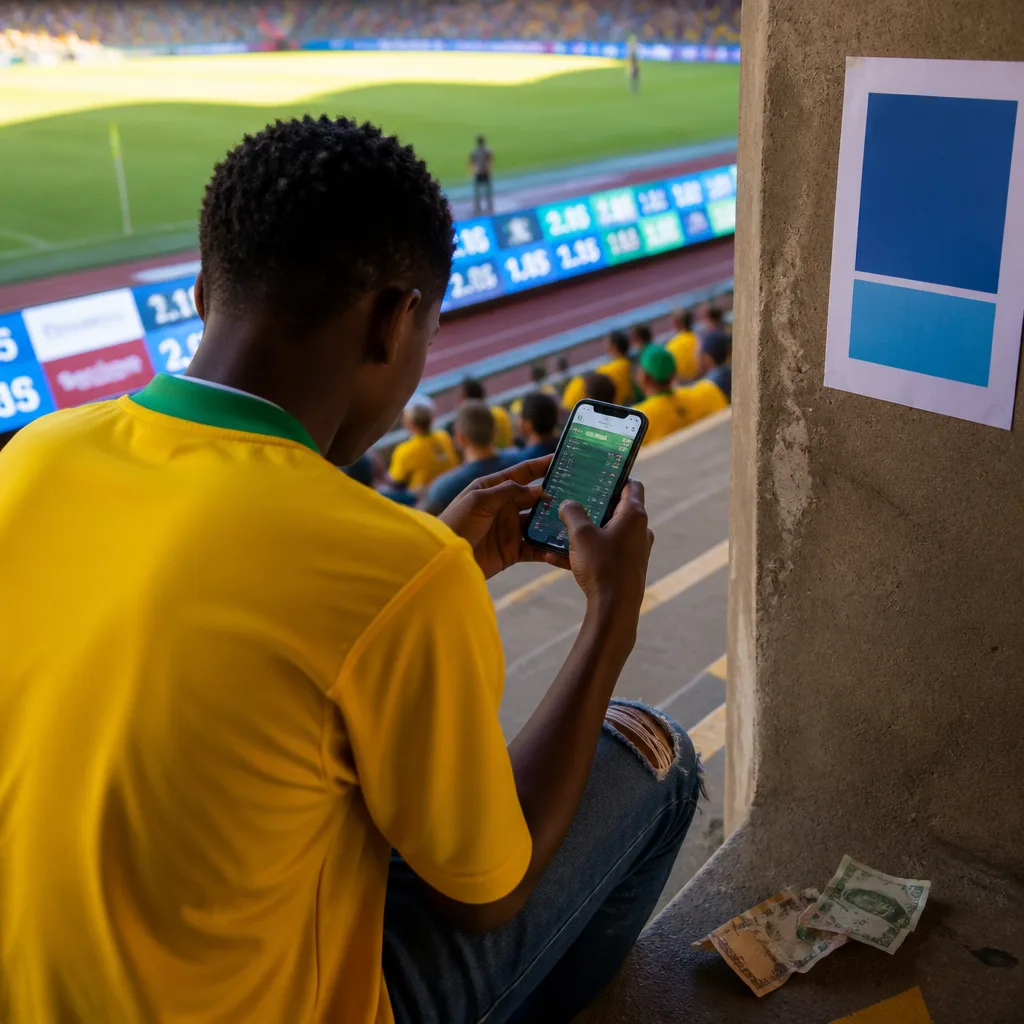
What once might have been a once-off flutter on a big match is now a constantly available product pushed at viewers through television, social media and in-venue advertising. The rise of mobile betting apps has removed many of the logistical barriers that used to keep wagering intermittent: placing a bet now takes seconds from a smartphone.
The consequence is a rapid normalisation of betting among large sections of the population, particularly younger sports fans who have known nothing else. The MoneyWeb report notes that online sports betting has become the dominant growth engine for the gambling industry in South Africa, and that betting brands are among the most visible sponsors and advertisers in sport.
Signs of harm and the financial illusion
There are early, worrying signs that gambling is moving for some from entertainment to a perceived financial solution. The report highlights advice for those concerned: regard betting as entertainment rather than a financial strategy, and take the practical step of tallying how much has been spent over six to 12 months.
"As sport and gambling become harder to separate, betting is starting to look like a financial solution to some."
That shift matters because it alters behaviour. When wagering is seen as a way to solve cash-flow problems or to chase losses, risk-taking rises and so does exposure to harm — including financial strain, relationship stress and mental-health effects. The same technologies that make betting convenient also make it harder to step away.
Evidence of rising demand for help
The report links the gambling boom to a dramatic increase in calls for assistance related to betting harm. A related headline in the coverage flagged a 623% spike in calls for help — an alarming figure that indicates the human cost behind the rapid growth in turnover and brand visibility.
| Issue | Change reported |
|---|---|
| Calls for help linked to betting | +623% |
Where sport and regulation meet
Sporting organisations, broadcasters and leagues have welcomed sponsorship money that supports teams and competitions. But the MoneyWeb account underlines a tension: commercial partnerships can fund sport while also embedding gambling into the match-day experience and everyday conversations about teams and players.
Policy choices now matter. If gambling is allowed to remain omnipresent in sporting environments without stronger safeguards, the social costs are likely to rise. Practical measures discussed in public debate include stricter advertising rules, limits on in-play betting exposure, clear warnings, and funding for treatment and prevention services. The report itself urges individuals to be mindful and to reassess their betting as a form of entertainment, not income.
- Take stock: Calculate betting spend over recent months to see the true cost.
- Set limits: Use app limits and timeouts to reduce impulsive stakes.
- Seek support: Increased calls for help point to the need for accessible counselling and treatment services.
For supporters who love their sport, the challenge is to keep the game central and the bets secondary. The current trajectory — heavy promotion, instant access and rising harm — risks altering the way a generation experiences sport. That should concern administrators, clubs, broadcasters and regulators equally. Practical, evidence-based policy and better public education will be required to ensure the boom in betting does not come at the expense of fans’ livelihoods and wellbeing.
As a nation, we need to decide whether sport will be a stage for community pride or a marketplace where convenience trumps caution. The choice will shape not only the financial landscape around sport but the lives of people who watch and play the games we cherish.