
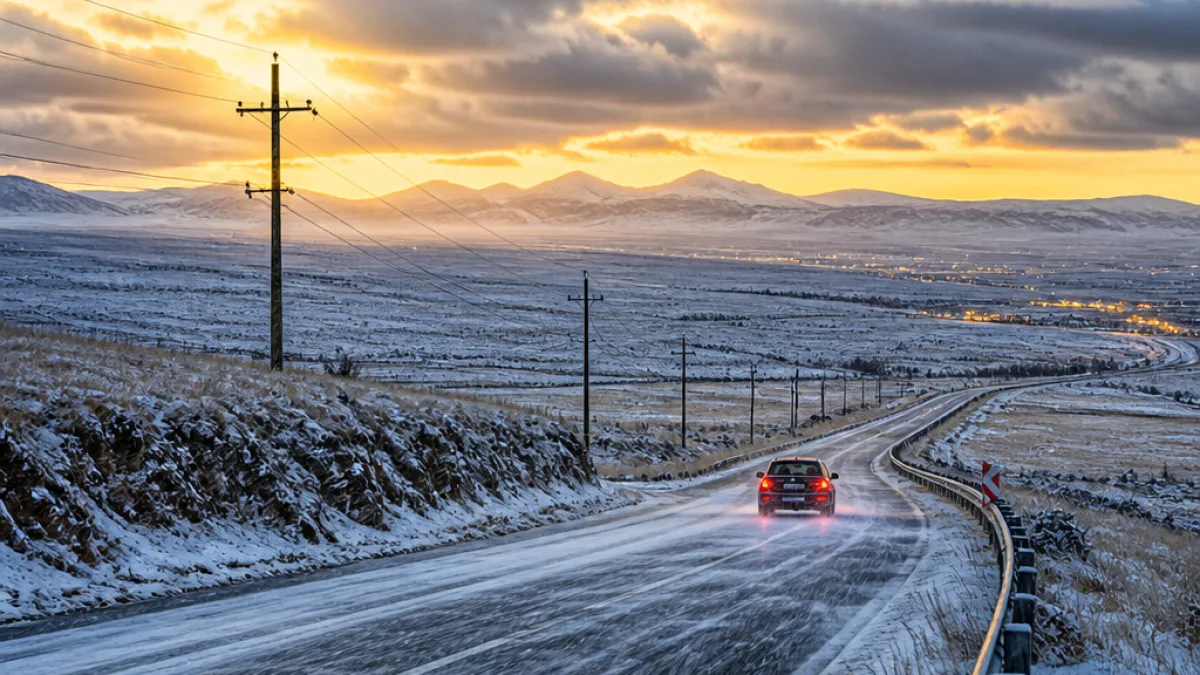
A harsh cold front sweeping much of the country is forecast to bring very low temperatures to the Free State, with lighter snow possible along the province’s border with Lesotho and strong winds making conditions worse for residents and drivers.
What to expect in the Free State
The South African Weather Service (SAWS) warns of very cold conditions across the Free State, with the chance of light snow along high-lying areas close to the Lesotho border. Eastern parts of the province face an increased risk of rain, with probabilities jumping from 30% to 60% in those areas.
Drivers should take extra care on higher passes and rural roads where sleet or light snow could make surfaces slippery and reduce visibility. Municipal and provincial road agencies may issue temporary closures where conditions become hazardous.
Regional picture: heavier impacts elsewhere
While the Free State faces mainly cold temperatures and the possibility of light snow near Lesotho, the Eastern Cape is earmarked for the most severe conditions on this front. SAWS has issued an Orange Level 6 warning for disruptive snow in parts of the Eastern Cape, with heavy snow expected around Emalahleni, Sakhisizwe, Senqu, Elundini and Matatiele.
Other provinces facing significant impacts include KwaZulu‑Natal and Mpumalanga, where snow is expected in high-lying areas and widespread rain or showers are likely. The Western Cape may even see some very light snow inland, including Beaufort West.
| Province / Area | Main expected conditions |
|---|---|
| Eastern Cape | Heavy snow (Orange Level 6); risk of road closures |
| Free State | Very cold; light snow along Lesotho border; eastern areas 60% chance of rain |
| KwaZulu‑Natal | Snow in high-lying areas; heavy coastal rain and damaging winds |
| Mpumalanga | 60–80% chance of rain and showers; very cold |
| Gauteng | Very cold; 30% chance of rain |
Wind, rain and coastal risks
Strong and damaging winds are expected along sections of the KwaZulu‑Natal coast, with rough seas posing hazards for small craft and people near the shoreline. Parts of the Western Cape coast may also experience gale‑force winds later in the day.
These wind conditions will increase the chill factor inland and could lead to tree damage and localised infrastructure problems where gusts are strong.
Power network under pressure
Cold weather is already placing strain on electricity networks. City Power in Johannesburg reported more than 2,000 outages as customers increase use of heaters, geysers and stoves to keep warm. More faults continue to be reported as demand rises.
Although this figure relates to Johannesburg, Free State households should be prepared for possible local outages when demand surges during very cold snaps. Residents are advised to:
- Keep mobile phones charged where possible and have torches and batteries ready;
- Limit simultaneous use of high‑demand appliances (heaters, kettles, geysers) to reduce risk of localised overloads;
- Report any persistent outages to your municipality or distribution utility promptly.
Practical advice for residents and travellers
Motorists travelling through elevated Free State routes or towards Lesotho should carry warm clothing, a charged cellphone, and basic emergency supplies. Reduce speed on icy or wet roads and keep headlights on. If you encounter closed or blocked routes due to snow or flooding, follow the directions of traffic officers and road authorities.
Rural communities near high ground should ensure they have access to necessities should roads become difficult to traverse. Community leaders and ward councillors are often the first line of contact for co‑ordinating local assistance; residents are encouraged to check with their municipal offices for updates on road status and emergency services.
SAWS will continue to update warnings and advisories as conditions evolve. Listeners and viewers should monitor local broadcasts and municipal notices for the latest information and any emergency instructions.
Weather systems of this strength can evolve quickly; planning ahead and heeding official warnings reduces risk for individuals and emergency responders alike.













