
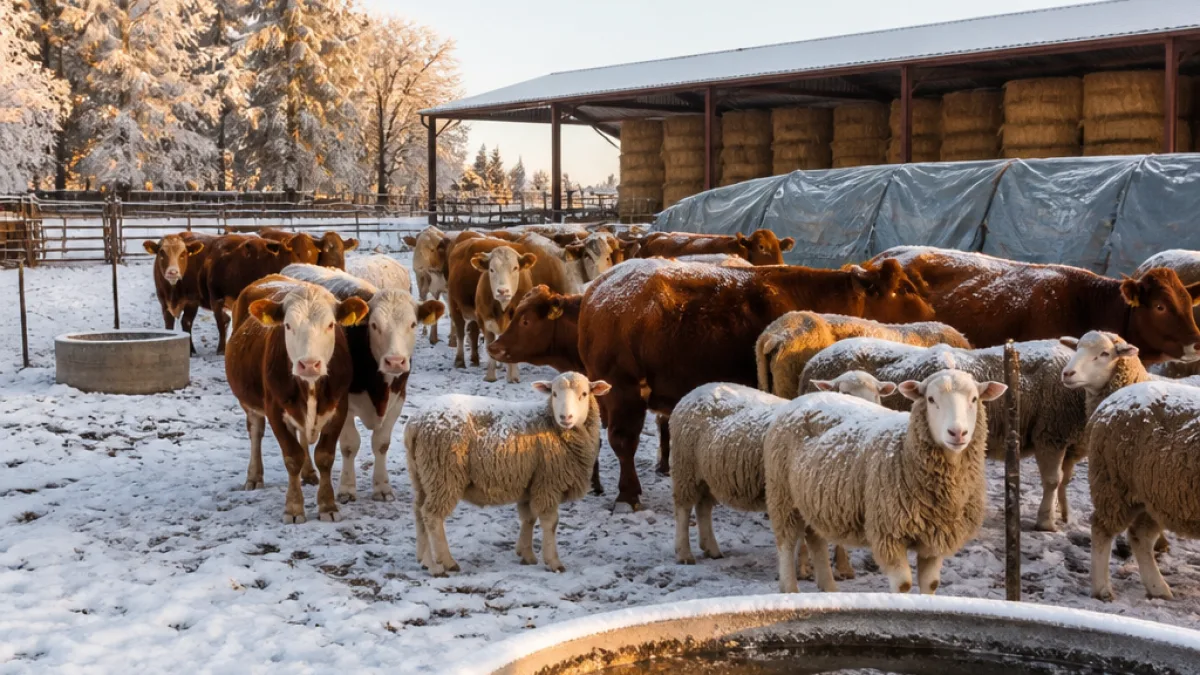
The Free State Department of Agriculture, Rural Development and Environmental Affairs has urged farmers to take extra precautions after snowfall and persistent sub-zero temperatures affected large parts of the province, including areas where snow is rarely seen.
Immediate concerns for livestock and farm infrastructure
The department’s advisory, issued on Tuesday, identified livestock — particularly cattle, sheep and goats — as the immediate agricultural concern. While officials said there have been no widespread reports of major livestock losses or damage at this stage, they warned that several consecutive days of extreme cold could place additional strain on animals, especially where feed and shelter are limited.
Farmers were given practical steps to reduce cold-related risks:
- Move animals into sheltered areas, barns or other protected locations where possible.
- Provide dry bedding to reduce exposure to cold and damp conditions.
- Monitor young, sick, weak and otherwise vulnerable animals closely for signs of cold stress, weakness or illness.
- Check and increase feed rations where necessary so animals can maintain body temperature.
- Keep adequate reserves of hay and fodder in dry, protected areas to prevent spoilage and contamination.
- Inspect water troughs regularly to ensure access to clean drinking water and take measures to prevent water sources from freezing.
Current impacts and what to expect
According to the department, the cold snap has so far not resulted in major reported losses. Nonetheless, officials cautioned that prolonged freezing could lead to problems where animals are exposed and feed or shelter is limited. The department emphasised the importance of prioritising the most vulnerable stock.
The advisory also noted that the current period is the province’s agricultural off-season for summer crops and that planting is generally expected to begin from about mid-October. As such, immediate damage to summer crops is not anticipated. The department said the additional moisture from snowfall could be beneficial for soil moisture ahead of the next planting season.
Practical protections farmers should check now
Farmers are advised to run rapid checks on basic infrastructure and supplies to reduce the risk that cold weather will compound other challenges:
| Area | Action |
|---|---|
| Shelter | Ensure barns and shelters are available and in usable condition; move vulnerable animals indoors where possible. |
| Bedding | Stock dry bedding and replace damp bedding frequently to keep animals insulated from the cold ground. |
| Feed reserves | Check hay and fodder stores; protect them from moisture and contamination. |
| Water | Inspect troughs and pipes and make plans to prevent freezing so animals have continuous access to clean water. |
These measures are basic but can prevent small problems from becoming serious during several days of freezing weather, the department said.
Local impact and longer-term perspective
Snowfall in parts of the Free State — particularly in districts where it is rarely experienced — has raised concern among farming communities that are already managing variable weather patterns. While the current advisory focuses on immediate protective steps, the department’s note that added moisture could improve soil conditions is relevant for planning ahead to the planting season.
Farmers with concerns about animal health or who require assistance are encouraged to contact local agricultural extension officers for guidance. The department’s advisory serves as a reminder to review contingencies for feed, shelter and water access as winter conditions persist.
Regional farmers’ organisations and agribusinesses often coordinate support during severe weather events; producers are advised to keep in touch with local cooperatives and extension services for up-to-date, area-specific guidance.
For now, the department reports no large-scale losses, but its alert underscores that proactive steps — checking shelters, increasing rations for vulnerable animals, securing fodder and preventing water from freezing — can reduce the risk of hardship for livestock and the livelihoods that depend on them.













