The Competition Commission of South Africa has warned that internet service prices have risen faster than headline inflation, with wireless prices showing the sharpest increases in 2026. The finding appears in the commission’s third Cost of Living report, published on Friday, which highlights mounting pressure on household budgets across essential services.
Inflation in internet costs outstrips headline rate
The commission analysed price changes for internet access from January 2022 to July 2026, using the consumer price index (CPI) compiled by Stats SA. It noted that wireless internet service inflation exceeded overall headline inflation during 2026, and warned this has important implications for household affordability and the broader cost‑of‑living crisis.
"The analysis is based on the CPI compiled by Stats SA, which collects internet price data from major telecommunications service providers monthly," the report said.
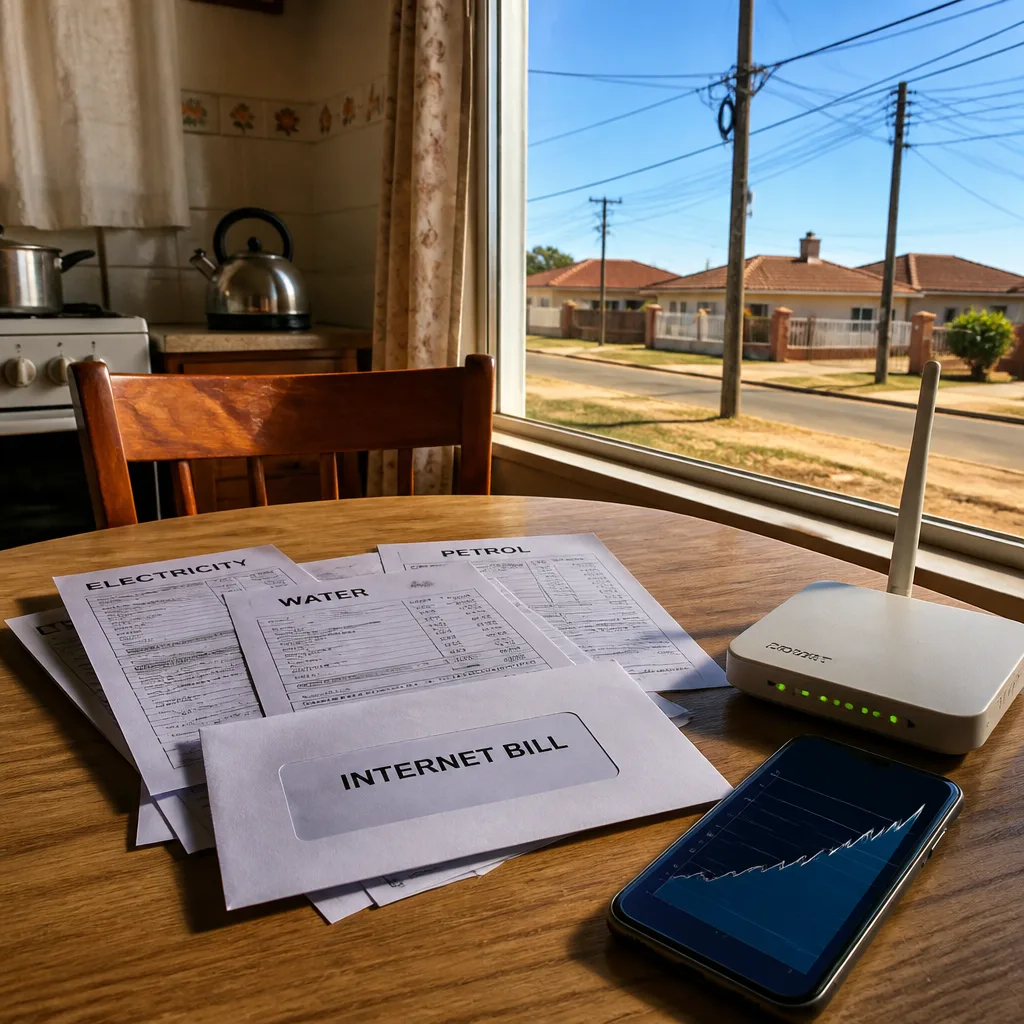
Commission researchers underlined that South Africans are already experiencing faster‑than‑inflation increases in a range of essential services, listing electricity, water, petrol, transport, healthcare and communications as areas where costs are rising and further straining household finances.
Wholesale moves by fibre network operators feeding through to consumers
While the commission acknowledged that aggressive retail price competition has characterised the fibre market since 2022, it said rising operational costs for fibre network operators (FNOs) have led to wholesale price hikes. Those increases were implemented by the country’s largest FNOs, including Vumatel and Openserve, in April 2026.
The report set out the scale of the two major networks as of June 2026:
- Openserve — network passed: 1.54 million homes; connected: 817,540 homes (connectivity rate 53.1%).
- Vumatel — network passed: just over 2 million homes; connected: nearly 900,000 homes.
The commission said the April wholesale increases by FNOs have a direct feed‑through effect: higher wholesale charges push up costs for internet service providers (ISPs), who in turn pass some or all of those increases on to consumers.
| Operator | Homes passed | Homes connected | Connectivity rate |
|---|---|---|---|
| Openserve (June 2026) | 1.54 million | 817,540 | 53.1% |
| Vumatel (June 2026) | over 2 million | nearly 900,000 | not specified |
Implications for households and policy
For many families, internet access is an essential service — needed for schooling, work, banking and accessing government services. The commission’s report signals that rising communications costs are compounding other inflationary pressures and could worsen digital exclusion if prices continue to rise faster than incomes.
The analysis is based on CPI data collected monthly from major telecommunications providers, the report said. By separating wired and wireless access, the commission aimed to show where price pressures are strongest and where policy or regulatory attention may be required.
The report does not prescribe specific remedies in the sections summarised in the public release, but the findings add to ongoing debates about competition in telecommunications, wholesale pricing by network operators, and the need to protect affordability for low‑income households.
Further details and any policy recommendations will be examined as stakeholders — including regulators, industry players and consumer groups — consider the report’s findings and the likely impact of wholesale pricing decisions on retail affordability.
Documents cited in the commission’s third Cost of Living report and the CPI methodology from Stats SA underpin the analysis.