
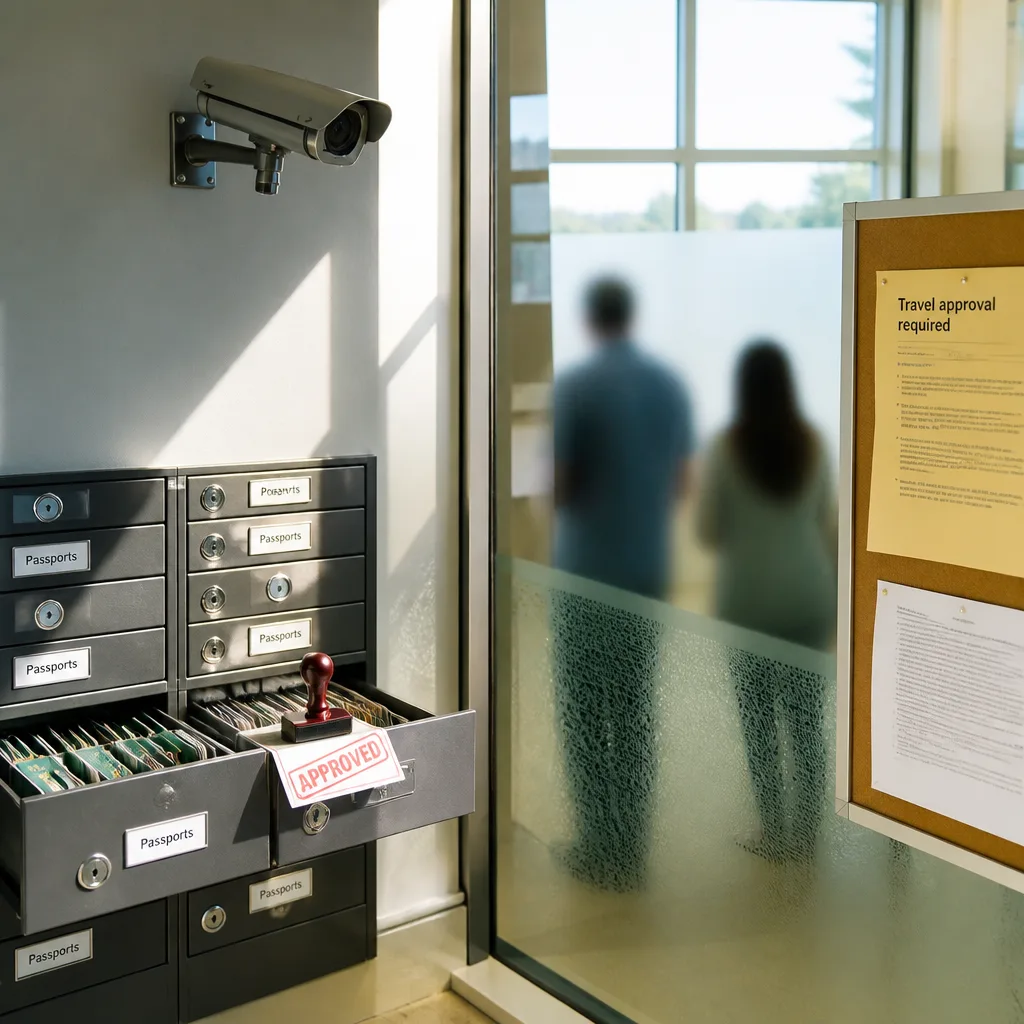
China has tightened internal controls over the personal lives of Communist Party members and public-sector employees, instituting rules that can influence decisions about marriage, overseas travel and workplace relationships, CNN reported.
What the new oversight covers
The expanding rules apply to a wide range of state workers — including hospital staff, teachers, university employees and employees of state-owned enterprises — and can touch on intimate aspects of daily life. According to reporting summarised by the source, restrictions include:
- Limits on marrying foreign nationals for some civil servants with access to sensitive information;
- Requirements to obtain management permission before travelling overseas, with personal passports often held by institutions;
- Scrutiny of workplace relationships and contacts with family members abroad, which may be seen as risks to loyalty or security.
The tightening of private-life oversight accelerated after Xi Jinping became party leader in 2012, the reporting said. Authorities justify the measures on national-security grounds, citing the need to combat espionage and corruption.
Scale and daily impact
Fudan University estimated that nearly 70 million people worked in China’s public sector in 2020 — a pool that includes those affected by these rules. For many, the policies present an ongoing tension between personal choice and career continuation within the state system.
The practical effects can be severe. The report cites cases where employees were required to submit detailed travel itineraries in advance and were unable to alter plans without fresh permission. One former civil servant described being prevented from attending a son’s overseas graduation because he could not obtain the necessary clearance in time.
| Area of regulation | Typical restriction |
|---|---|
| Marriage | Prohibition or discouragement of marrying foreign nationals for those with access to state secrets |
| Travel | Advance approval required; institutional custody of passports |
| Workplace relationships | Monitoring of personal contacts and internal relationships deemed risky |
Consequences and context
For millions of people working in China’s state system, the rules can mean choosing between private life decisions — such as marriage or family travel — and retaining a government or public-sector position. The restrictions are presented by authorities as measures to protect national security, but they have broader implications for personal freedom and professional mobility.
The reporting suggests that these measures are part of a wider effort, intensified since 2012, to tighten party discipline and ensure loyalty among officials and public servants. While specific enforcement varies by institution, the reach of the rules into daily personal choices marks a significant extension of internal oversight.
What this means for readers
Although the measures are specific to China’s political and institutional context, they feed into a larger global conversation about the balance between state security and individual rights. For South African readers interested in governance, labour rights and the protection of personal freedoms, the developments underscore how employment within public systems can intersect with private life in ways that extend beyond the workplace.
As democracies and other governments consider their own public-sector policies, the Chinese example illustrates how rules intended for security can profoundly shape everyday decisions — from whether a person may marry a foreign partner to whether they can join family abroad for important occasions.











