
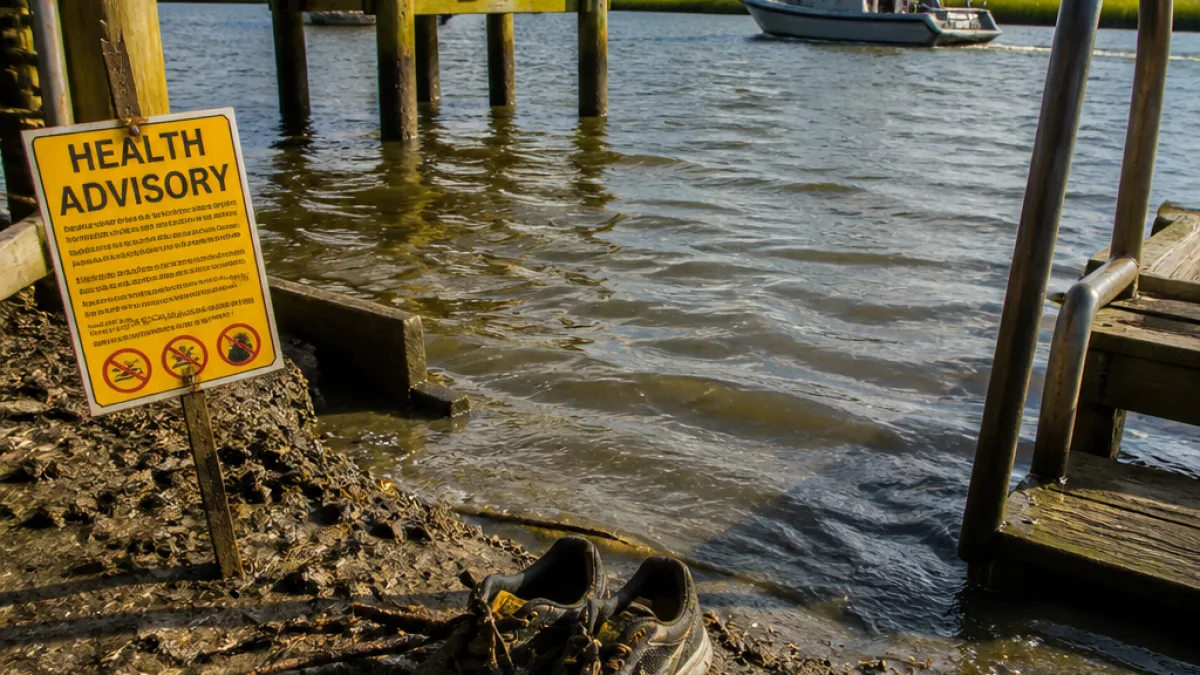
LAFAYETTE, La. — Louisiana health officials confirmed this week that nine cases of Vibrio vulnificus have been reported in the state in 2026, and five of those infections were fatal. State data indicate all nine cases were linked to open wounds exposed to salt or brackish coastal waters and that each patient had underlying health conditions.
What the state reported
Officials said the nine infections this year exceed the state’s recent annual average and represent a sharp rise in mortality compared with the previous decade. Over the same period of time during the previous 10 years, Louisiana averaged seven cases and one death in the equivalent time frame.
Vibrio vulnificus is a species of bacteria that occurs naturally in warm coastal waters. The organism is typically more abundant between May and October and can live in both salt water and brackish water — the mixture of fresh and salt water that forms where rivers meet the sea.
How people become infected
Infections can arise in two common ways, officials said: by eating raw or undercooked seafood contaminated with Vibrio bacteria, or when an open wound is exposed to contaminated salt or brackish water. Louisiana’s nine cases this year were all associated with wound exposure to seawater.
The Centers for Disease Control and Prevention estimate about 80,000 cases of vibriosis occur in the United States each year, with most illnesses linked to eating contaminated seafood. Some species, including Vibrio vulnificus, are associated with much more severe infections.
Severity, risk factors and outcomes
Vibrio infections range from gastrointestinal illness to severe wound infections and blood poisoning. Certain strains, notably Vibrio vulnificus, can cause life-threatening disease that sometimes progresses rapidly and may require intensive care or limb amputation.
Health officials note that about one in five people with Vibrio vulnificus infections die, sometimes within a day or two of becoming ill. While any person can develop a serious infection, individuals with underlying health problems face higher risks. Those groups include people with:
- liver disease;
- cancer;
- diabetes;
- HIV or other conditions that suppress the immune system;
- thalassemia;
- recent stomach surgery;
- or who take medicines that reduce stomach acid.
In some cases, Vibrio infection leads to necrotizing fasciitis, an aggressive condition in which tissue around a wound dies — a phenomenon often described in media accounts as "flesh-eating" infection.
Signs to watch for and preventive steps
State and federal guidance emphasize early recognition and prevention. Symptoms may evolve quickly in severe infections; anyone with a wound exposed to coastal water who becomes ill should seek prompt medical attention.
Public health officials recommend practical precautions to reduce risk:
- Avoid exposing open cuts, scrapes or sores to coastal, brackish or warm salt water.
- Refrain from handling seafood with bare hands if you have an open wound.
- Do not eat raw or undercooked seafood, particularly oysters and other shellfish known to concentrate Vibrio bacteria.
- People with chronic liver disease, diabetes, immune suppression or other listed conditions should be especially cautious and consult a provider before consuming raw seafood or entering coastal waters with any skin break.
| 2026 Louisiana figures | State 10-year average (same period) |
|---|---|
| Cases: 9 | Cases: 7 |
| Deaths: 5 | Deaths: 1 |
Health officials say these precautions are especially important during the warmer months when Vibrio levels in coastal waters are higher. Clinicians commonly treat suspected Vibrio infections aggressively with antibiotics and supportive care; in severe cases, surgical intervention can be necessary.
For residents and visitors who frequent Louisiana’s coastlines, waterways or seafood markets, awareness of the risk factors and early recognition of symptoms remain the most effective tools to prevent severe outcomes.
State health departments and the CDC provide additional guidance on safe seafood handling and wound care after exposure to coastal waters.

















