Farragut Bay, Alaska — A spokesperson for Meta CEO Mark Zuckerberg says the billionaire’s yacht did not hear a radio call for help from a small skiff that ran out of fuel off Southeast Alaska and that another nearby vessel had already come to the skiff’s aid.
What happened off Southeast Alaska
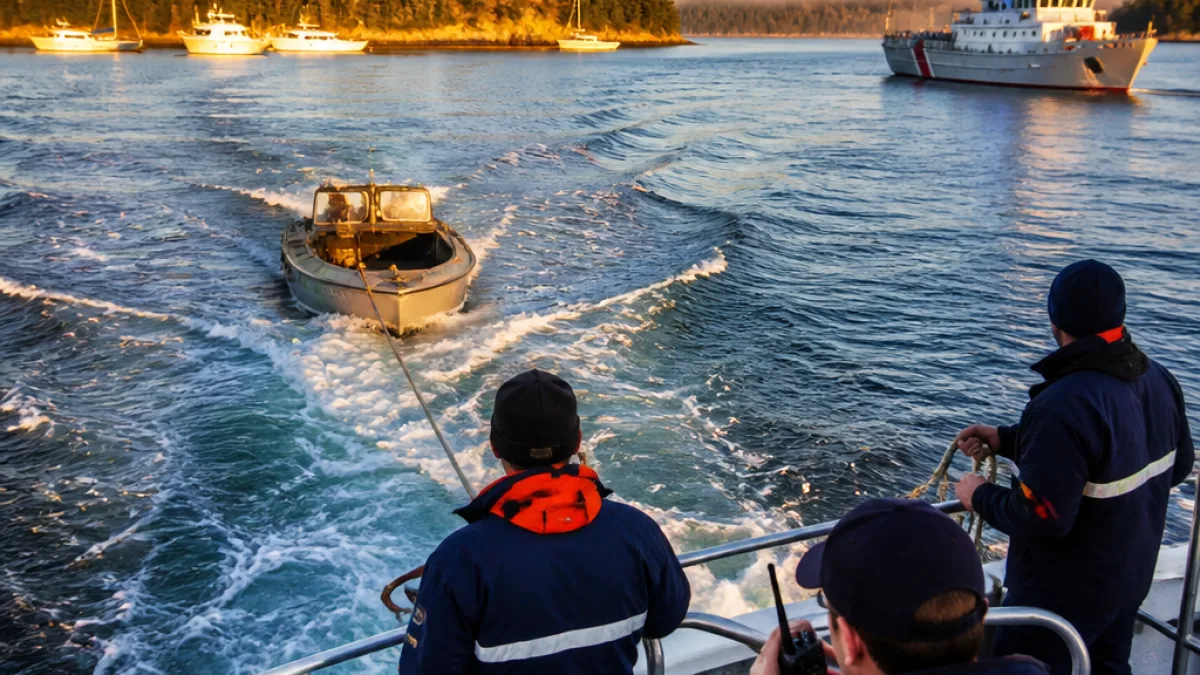
The episode unfolded last week when a small craft issued a distress call to the U.S. Coast Guard after it ran short of fuel. According to an account shared by passengers on another ship, a nearby small cruise vessel, the Wilderness Legacy, responded and towed the disabled skiff into Farragut Bay, where it was refueled.
Under international and U.S. maritime law, vessels are generally required to respond to distress signals unless doing so would endanger their own vessel or crew. Initial reports noted that the yacht Launchpad, which is owned by Zuckerberg and was in the area, did not assist despite being closer to the skiff.
“Mark and his family were not on board at the time of the incident. As the Coast Guard noted, the boat was not in distress, and by the time the crew reviewed the Coast Guard contact on a different radio channel from the one they were operating on, the assist was already underway. We’re grateful all parties are safe.”
The quote came from an emailed statement provided to the Alaska Beacon by a spokesperson for Zuckerberg. The statement said the Launchpad crew had not initially heard the Coast Guard's transmission because it was on a different radio channel. By the time the crew checked alternate communications, the Wilderness Legacy had already rendered assistance.
Eyewitness accounts and public reaction
Passengers on the Wilderness Legacy posted about the incident on social media, saying their crew received a radio call from the Coast Guard, responded to the disabled skiff and towed it to safety. One passenger wrote that the crowd aboard the Wilderness Legacy reacted negatively when the ship’s captain announced the Launchpad had not responded to the Coast Guard call despite being closer.
The Alaska Beacon, which first reported the account, and other regional outlets relayed those posts. The Beacon also obtained the spokesperson’s emailed response asserting the Launchpad crew never received the distress call on the channel they were monitoring.
Maritime duty to assist
Maritime law places a duty on seafarers to assist persons in distress at sea unless providing that assistance would imperil their vessel or crew. The law is interpreted with circumstances in mind; for instance, vessels may decline if the rescue would create unacceptable risk to those already aboard.
In this instance, both the Wilderness Legacy and the Coast Guard played roles in the assist, and the situation ended without injury, according to the spokesperson’s message. Officials did not report any escalation or enforcement action related to the incident.
Local search-and-rescue context
Southeast Alaska’s waters are a frequent setting for recreational and commercial boating activity, and runs of small craft operating in remote channels and bays often depend on good communications and local assistance when trouble arises. The region’s geography, weather and limited cell coverage make radio communications and coordination with the Coast Guard particularly important.
Coast Guard units in Alaska routinely respond to distress calls and also coordinate with other mariners. When private vessels assist, they typically provide towing, fuel or transport to the nearest safe harbor.
- Vessel involved: Wilderness Legacy (small cruise ship)
- Yacht involved: Launchpad (owned by Mark Zuckerberg)
- Location: Farragut Bay, Southeast Alaska
| Item | Detail |
|---|---|
| Distress origin | Skiff ran out of fuel |
| Assisting vessel | Wilderness Legacy towed and refueled skiff |
| Launchpad action | Crew did not initially hear Coast Guard call; later reviewed alternate channel |
Why communication channels matter
Maritime radio traffic can be split across channels, and vessels sometimes monitor different frequencies depending on watch schedules and equipment. The Launchpad spokesperson said the crew monitored one channel and did not catch the Coast Guard transmission until reviewing another radio channel afterward.
The incident highlights how layered communications — VHF radio, Coast Guard broadcasts and alerts to nearby mariners — work together in Alaska’s challenging maritime environment. When any single link is missed, other vessels in the vicinity or Coast Guard units often provide backup.
No injuries were reported and all parties were accounted for following the assist.
— Erik Lindgren, State Correspondent