
Countywide push focuses on prevention, education
Across Orange County, electric bicycles and other battery-powered two-wheelers have become a familiar sight near schools, parks and neighborhood streets — and that trend has prompted local education and health officials to intensify efforts to keep young riders safe.
The E-Bike Injury Prevention Collaborative, launched in 2024 and jointly led by the Orange County Department of Education (OCDE) and the Orange County Health Care Agency, brings together hospitals, law enforcement, schools and community partners to provide families and students with information about device types, applicable rules and best practices to reduce injuries.
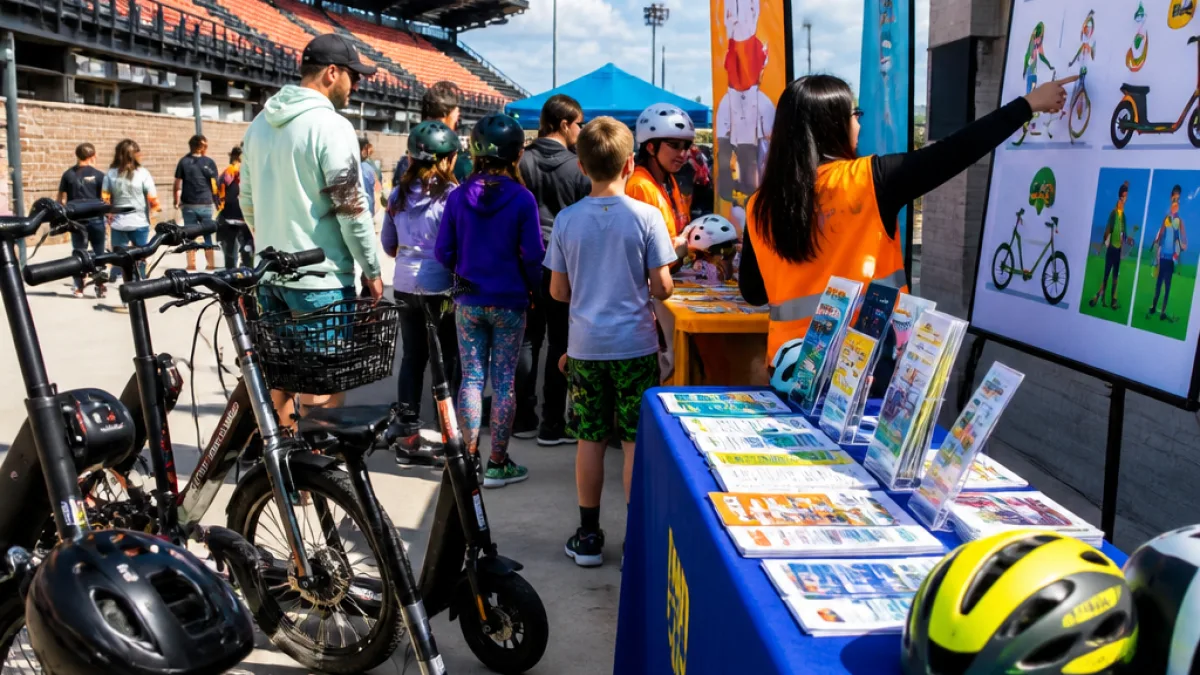
Organizers say the work ranges from community outreach to coordinated prevention strategies. The collaborative’s message was highlighted most recently at an e-bike safety event held at Angel Stadium and hosted by Orange County District Attorney Todd Spitzer’s office.
What officials are telling families
OCDE leaders are stressing that not every electric two-wheeler is the same and that understanding distinctions can help parents make safer choices for their children. The county superintendent framed the collaborative approach as an effort to combine education and enforcement to prevent crashes.
“We’ve seen how quickly an e-bike can become a serious safety issue when a young rider doesn’t understand the speed, the rules or the capabilities of the device,”
The superintendent added that the goal is to ensure families understand what they are buying and that young riders know the rules and best practices for returning home safely.
Core safety topics emphasized
Officials said OCDE and its partners are focusing on key points parents and students should know:
- Device differences: Not all e-bikes or electric two-wheelers have the same speed or power; recognizing the type matters for handling and legal requirements.
- Helmet use: Wearing appropriate protective gear remains a primary recommendation to reduce head injuries.
- Rules of the road: Understanding local traffic rules, right-of-way and where these devices may be ridden is essential for safety.
- Responsible riding: Awareness of speed, device capability and riding environment helps prevent crashes.
Partners and local implications
The collaborative includes representatives from hospitals, law enforcement, schools and public-health agencies — a list that reflects the broad set of consequences when crashes occur, from emergency medical care to school attendance impacts. For families in Orange, the effort translates into:
| Area | Local impact |
|---|---|
| Schools | Increased educational materials and events about safe riding practices |
| Families | Guidance on choosing devices, helmet recommendations and rules |
| First responders | Coordinated prevention efforts to reduce injuries and emergency visits |
What Orange parents should do now
County officials say parents and guardians can take several concrete steps to reduce risks for young riders: inspect the bike to learn how fast it can go, require and model helmet use, review local traffic rules that apply to e-bikes and supervise novice riders until they are comfortable and competent in the neighborhood environment.
OCDE and its partners plan to continue outreach at schools and community events. Given the rising prevalence of e-bikes around Orange neighborhoods and campuses, officials said the joint approach is intended to give families accurate information and practical tools to prevent injuries.
As the collaborative proceeds, families can expect more information from schools and county health channels about upcoming safety events, educational materials and guidance on choosing appropriate devices for young riders.















