
Mercer University moved up substantially in U.S. News & World Report’s 2027 Best Colleges rankings, gaining national visibility as a private research university and earning accolades for value and program quality that may influence prospective students and the institution’s competitive standing.
Notable jumps and program honors
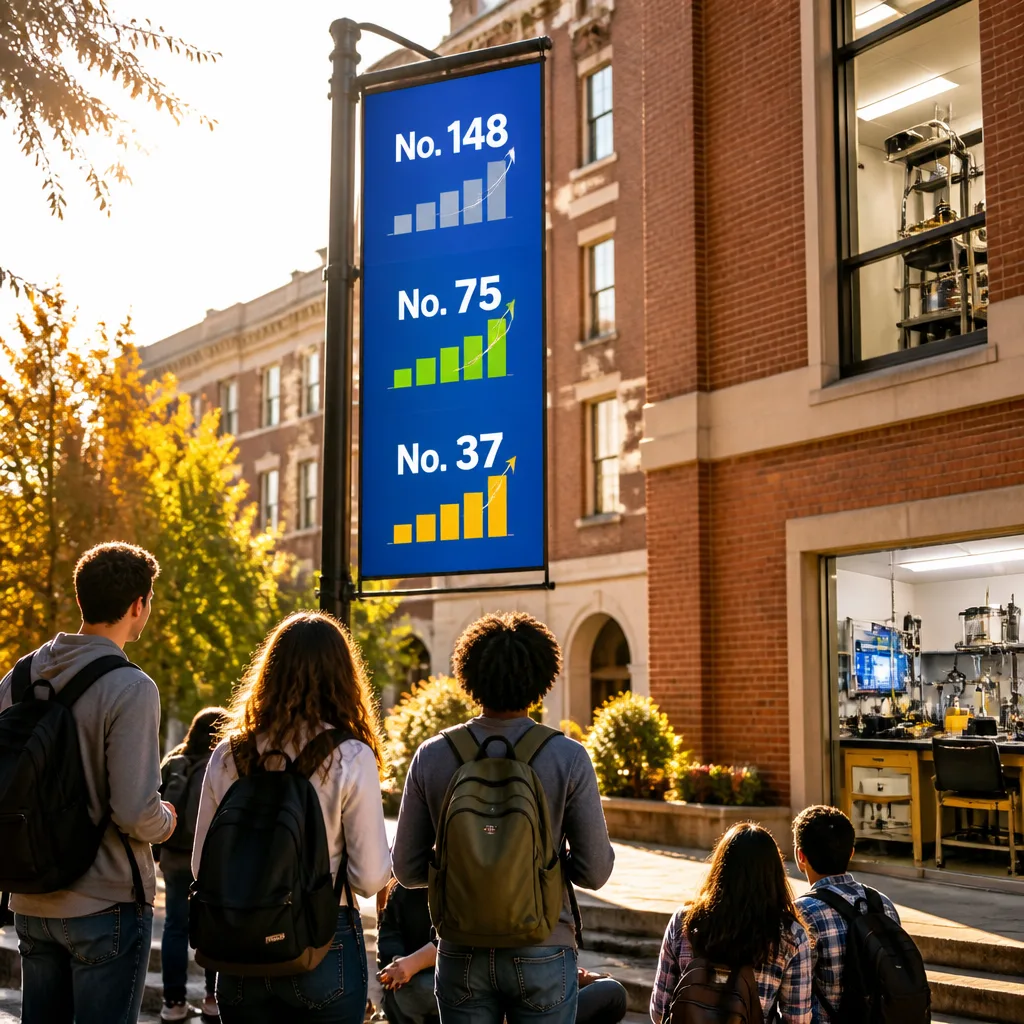
In the latest U.S. News release, Mercer ranked No. 148 overall among national universities, a jump of 21 places from the prior year. The university also placed No. 75 in the newly designated Top Private Colleges–National Universities category, and rose to No. 37 in the Best Value Schools list.
U.S. News evaluates more than 1,700 colleges and universities across several indicators. Mercer’s rise in the listings coincided with program-level recognition that the institution highlighted in a university statement:
- Engineering — No. 44 among programs at institutions where a bachelor’s or master’s is the highest degree offered.
- Undergraduate teaching (Tift College of Education) — No. 49 nationally.
- Additional national recognition for undergraduate business, nursing, computer science and psychology programs.
“Mercer’s growing recognition among the nation’s leading universities reflects our unwavering commitment to academic excellence, student success and to delivering an elite, top-tier education at an exceptional value,” said Mercer University President Penny L. Elkins, Ph.D.
What the rankings measure
U.S. News’ methodology includes measures of academic reputation, faculty resources, student outcomes, and the cost-adjusted value delivered to students. The Best Value Schools category specifically weighs institutional quality against the prior year’s net cost of attendance for a student receiving the average level of need-based aid.
Mercer emphasized its low student-faculty ratio and cited those conditions as contributors to individualized mentorship and preparation that the university believes underlie the improved standings.
Implications for students and the institution
Higher placements in national rankings can affect enrollment strategies, donor interest and employer perceptions. For prospective students weighing price against long-term outcomes, Mercer’s rise in the Best Value list — accompanied by targeted program honors — strengthens its pitch as a cost-effective option among private research universities.
University officials framed the results as confirmation of institutional priorities centered on student outcomes and affordability. The rankings also may bolster program-specific recruiting: engineering and education spots in the top 50 can draw applicants who target those fields.
| Category | Mercer Ranking (2027) |
|---|---|
| Overall national universities | No. 148 |
| Top Private Colleges–National Universities | No. 75 |
| Best Value Schools | No. 37 |
| Engineering programs (bachelor’s/master’s highest) | No. 44 |
| Tift College of Education (undergraduate teaching) | No. 49 |
Mercer’s release also noted recognition for its business, nursing, computer science and psychology programs and reiterated inclusion among Best Colleges for Veterans — distinctions that can have recruiting and reputational impact beyond raw rankings.
Context within higher education
Rankings by U.S. News remain influential despite ongoing debate about their methodology and effects. Institutions often respond to shifts by highlighting strengths, adjusting financial aid strategies, or investing in programs that improve the metrics U.S. News tracks, such as graduation rates and faculty resources.
For Mercer, moving up 21 places in the overall national list and securing higher placement on value and program lists provides a public measure of momentum. Whether that translates to sustained improvement in enrollment quality, retention and graduate outcomes will depend on institutional choices and how the university converts recognition into tangible gains for students.
University leaders framed the rankings as affirmation of strategic priorities; external observers will watch enrollment figures, yield rates and postgraduate outcomes in the coming admissions cycles for signs of lasting impact.

















