UK gross domestic product rose by 0.3% in June but overall economic growth eased to 0.4% in the second quarter, according to an initial picture of activity for the period. The monthly increase was driven by the service sector and bolstered by warm weather and the commencement of the football World Cup.
What the numbers show
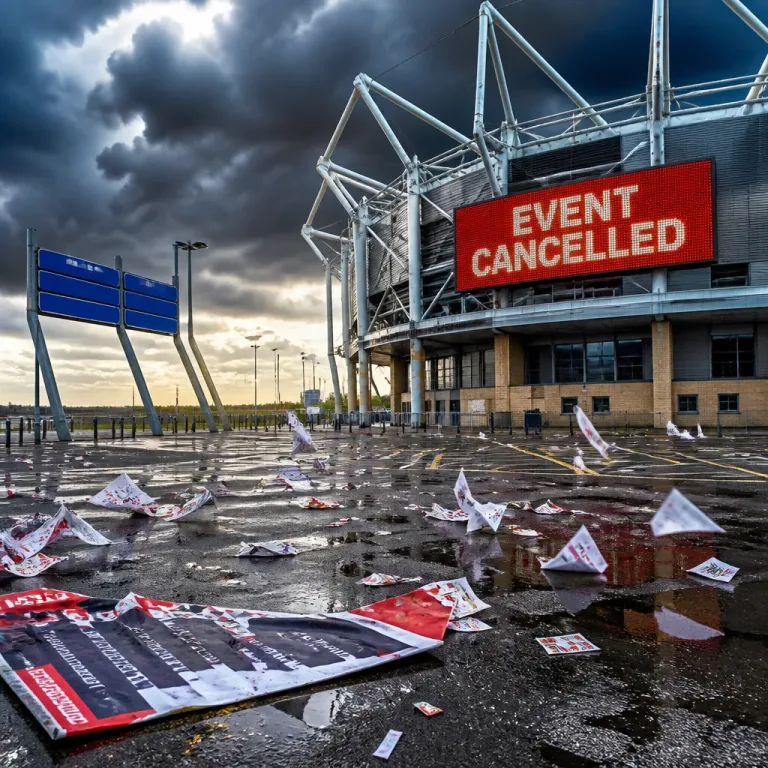
The quarterly slowdown — from 0.6% in Q1 to 0.4% in Q2 — indicates growth has lost pace after an earlier stronger start to the year. Forecasters and ministers are watching a mixed signal: short-term consumer activity that spikes with fine weather and major sporting events, versus broader cost pressures that risk denting household spending over coming months.
"UK economy grew by 0.4% in second quarter as Iran war prompts slowdown"
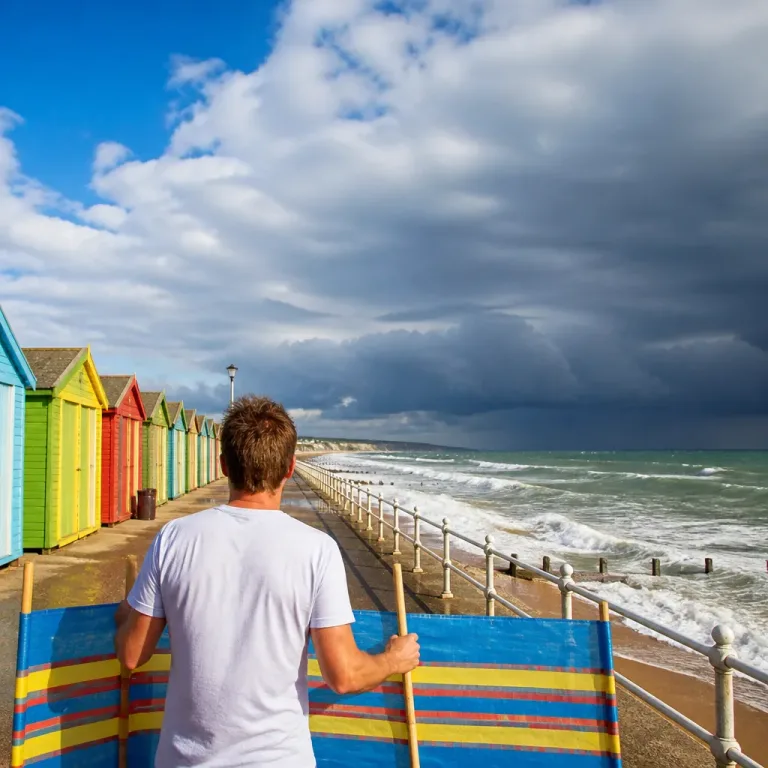
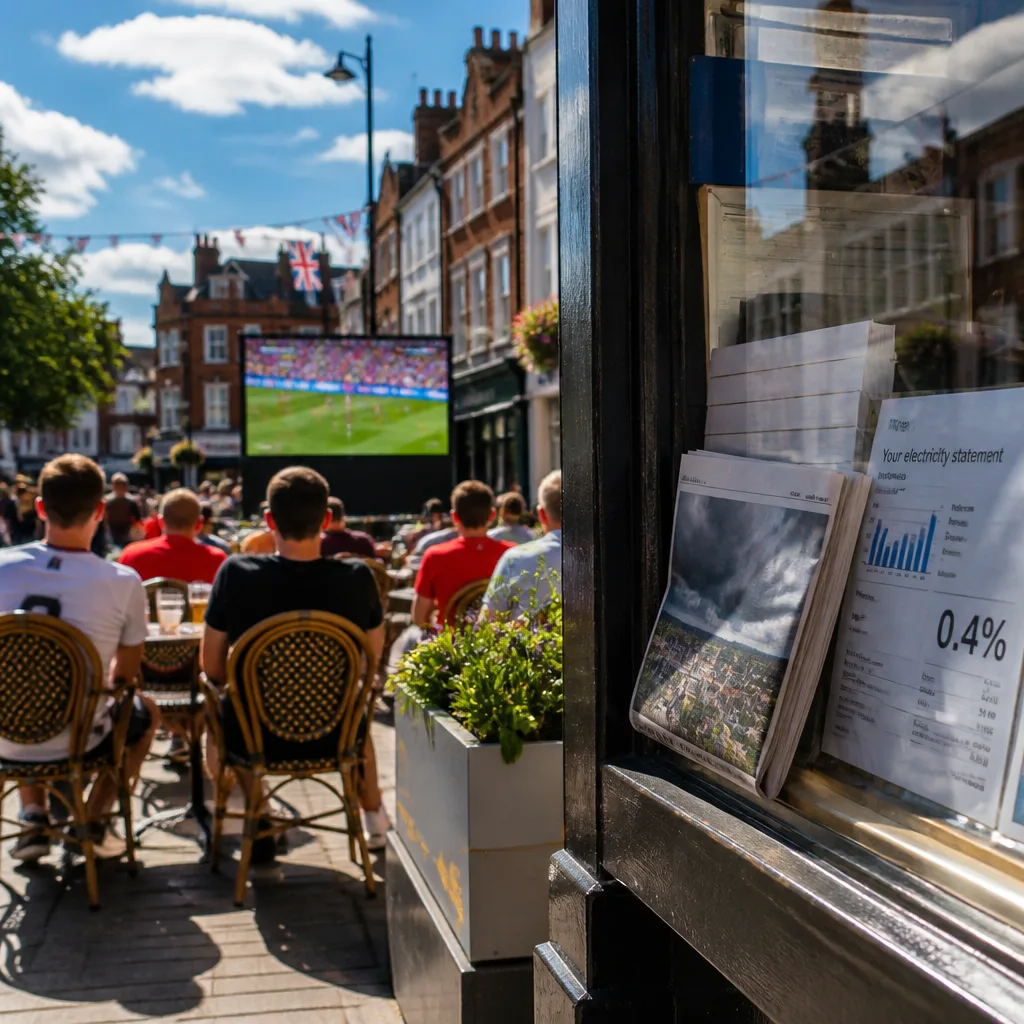
The report highlights three immediate influences on June’s performance. First, the services sector continued to support output. Second, the spell of warm weather encouraged spending in hospitality and leisure. Third, the World Cup generated additional consumer activity as fans gathered to watch matches and hospitality venues saw heightened trade.
Energy costs and geopolitical pressure
At the same time, the continuing conflict described in coverage as stemming from the actions of the United States and Iran has pushed up energy prices and added strain to household finances. That geopolitical pressure is cited as a factor that has contributed to the quarter-on-quarter slowdown.
Chancellor John Healey and Prime Minister Andy Burnham have both underlined a commitment to maintaining economic resilience and to supporting growth across the country. Business groups and unions have urged the government to use the forthcoming Autumn Budget to target cost reductions for firms and to reform fiscal institutions to improve medium-term stability.
What this means for households and services
The immediate combination of hot weather and major sporting events can temporarily boost sectors such as hospitality, retail and leisure — reflected in June’s monthly rise. However, rising energy prices and household cost pressures can offset those gains, leading to weaker overall quarterly performance.
- Short-term boost: Warm weather and the World Cup lifted June activity, particularly in services.
- Medium-term risk: Higher energy costs, linked to international conflict, threaten consumer spending power.
- Policy response: Calls for targeted measures in the Autumn Budget to reduce business costs and shore up public finances.
For ordinary households, the near-term effect is likely to be mixed: welcome pockets of activity where people take advantage of good weather and events, but potentially tighter budgets as energy and living costs rise. The extent to which this tempering of growth will affect inflation or household confidence depends on how persistent energy price pressures prove to be and on policy measures announced in the months ahead.
Data at a glance
| Period | Change |
|---|---|
| Q1 (previous quarter) | +0.6% |
| Q2 (latest quarter) | +0.4% |
| June (monthly) | +0.3% |
Forecast confidence should be treated cautiously. Monthly spikes driven by weather or a single event — such as the World Cup — do not necessarily signal durable expansion across the economy. Conversely, energy shocks tied to international developments can have a sustained dampening effect.
As autumn approaches, attention will turn to the Chancellor’s Budget choices and whether measures are introduced to ease costs for businesses and households, and to strengthen fiscal frameworks. For now, the picture is of a modest rebound in activity in June masked by a slower quarter overall, with weather and events providing short-lived gains while geopolitical energy pressures weigh on the outlook.