
A new observational study using high-frequency atmospheric sampling from a meteorological tower in Beijing has found that some urban trees emit substantial quantities of reactive volatile organic compounds (VOCs) — notably isoprene — which can increase ground-level ozone pollution, particularly as temperatures rise.
How the measurements were made
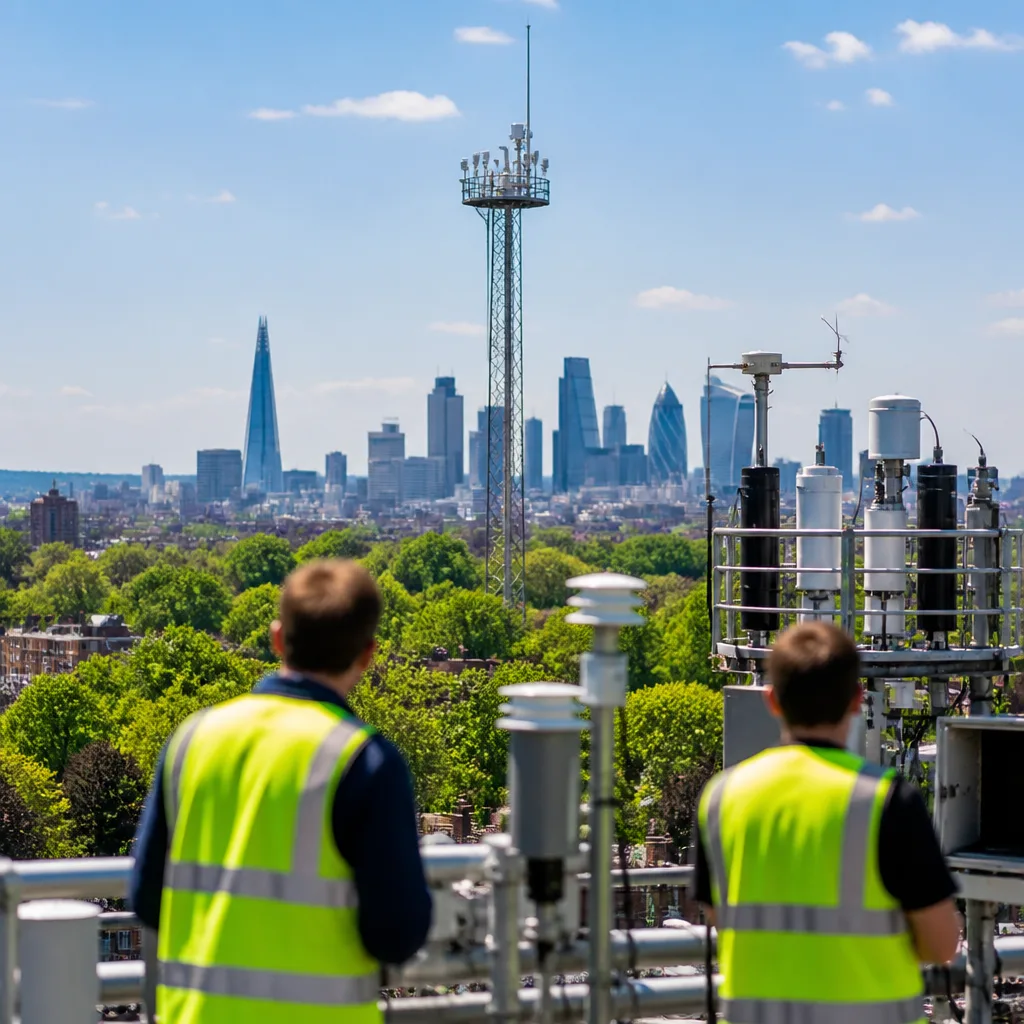
Researchers from Jinan University established a direct emissions monitoring system on a platform 102 metres high on Beijing’s meteorological tower and ran parallel laboratory measurements at the tower base. Instruments recorded chemical signals in the air several times per second, allowing scientists to capture the city’s changing chemical "breath" in real time and to attribute emissions to different sources such as trees, traffic, chemical products, cooking and household activities.
Key findings: trees as significant VOC sources
The team identified isoprene as one of the principal reactive compounds detected in Beijing’s urban atmosphere and traced most of it to trees. Isoprene is a naturally occurring hydrocarbon also found in natural rubber; it is highly reactive in the atmosphere and plays a major role in ozone formation when mixed with nitrogen oxides and sunlight.
Two points stood out:
- Isoprene emissions in Beijing were the highest among the cities observed in the study, reaching levels comparable to those seen in temperate forests.
- Between 20°C and 35°C, the chemical reactivity of VOCs emitted by city trees increased by a factor of seven to eight, indicating that hotter weather substantially amplifies their potential to form ozone.
Species matter
The study points to the composition of urban planting as a major driver of this signal. Large proportions of native trees in Beijing are known isoprene emitters, including the weeping willow (Salix babylonica) and the Chinese white poplar (Populus tomentosa), which help explain the high levels recorded.
| Source | Role in urban VOCs |
|---|---|
| Trees | Major contributor of isoprene; emissions rise with temperature |
| Traffic | Direct emissions of VOCs and nitrogen oxides that interact to form ozone |
| Household & commercial activities | Cooking, chemical products and indoor activities add additional VOCs |
Why this matters for cities
Urban greening has been widely promoted for its benefits — cooling, carbon uptake and pollutant removal. But this study highlights a less-appreciated trade-off: certain tree species emit VOCs that, under the right meteorological and chemical conditions, can exacerbate ground-level ozone, a pollutant linked to respiratory illness and reduced crop yields.
The temperature sensitivity the researchers measured is especially pertinent as cities warm under climate change. The seven-to-eightfold rise in chemical reactivity across the 20–35°C range indicates that heatwaves or hotter summers could substantially elevate the ozone-forming potential of existing street and park trees.
Policy and planning implications
While the study does not argue against urban trees wholesale, it strengthens the case for more nuanced planting strategies. City planners and urban foresters may need to:
- Assess the VOC emission profiles of species used in public plantings
- Prioritise low-emitting species in areas with high nitrogen oxide concentrations
- Integrate greening plans with broader air-quality management, traffic reduction and heat-mitigation measures
Because the work used high-resolution, tower-based observations and laboratory verification, it provides robust empirical evidence rather than modelling alone. That makes conclusions about species choice and climate sensitivity harder to dismiss as theoretical.
Further research will be needed to evaluate how generalisable the Beijing findings are to other cities with different species mixes and pollution profiles, and to quantify the net benefits or disbenefits of specific planting schemes. For now, this study reminds policymakers that the choice of tree species is not merely an aesthetic or ecological decision but also an air-quality one — especially as summers become warmer.









