Teachers struggling to keep attention during the final lesson of the day found an unlikely ally in a jar of jam after using it to anchor a French-language activity that combined culture, family and food. The exercise not only transformed the atmosphere of a late-afternoon class but also exposed pupils' morning routines — including a high rate of not eating breakfast before school.
From brand history to family stories
The lesson used the French preserve brand Bonne Maman as a starting point to explore vocabulary and cultural connotations. Pupils investigated where the product began and what its packaging evokes, then moved on to compare the words used for grandmothers in French and English. The activity prompted conversations about personal relationships and domestic practices, with students describing things their grandmothers had done for them — such as cooking, reading or taking them on outings — which helped to personalise language learning.
"Which one is more affectionate?"
That question, posed during the lesson, became a brief linguistic probe. Pupils debated terms such as grand-mère, mémé and mamie in French, and equivalents like grandma, granny and nanna in English-speaking contexts, exploring nuance and intimacy in everyday speech.
Hands-on stimulus boosted engagement
After researching the origins of the jam brand, the class completed a simple breakfast questionnaire. Results showed a significant portion of the students said they arrived at school without having eaten. The most popular jam flavour declared by the group was strawberry.
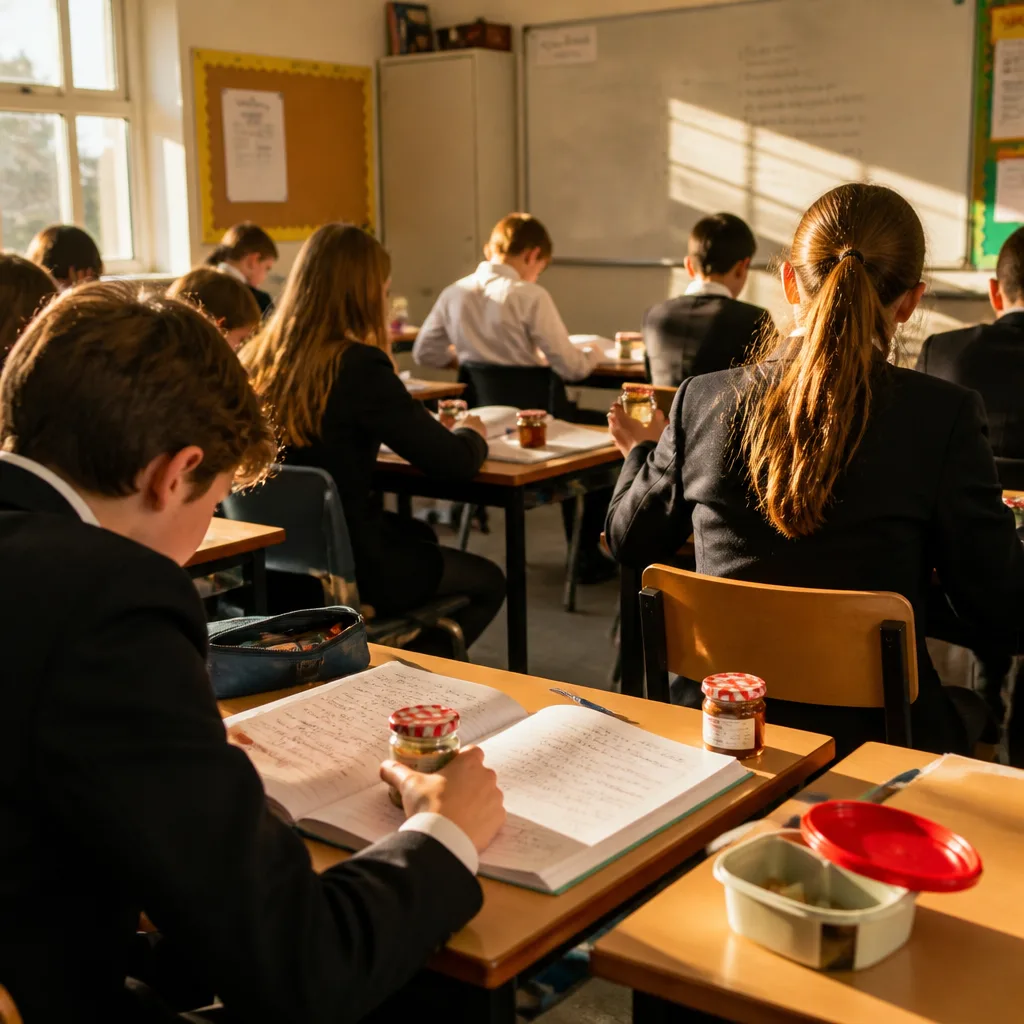
To close the session, the teacher distributed small jars of jam. The tangible stimulus appeared to channel pupils' energy into creative tasks and conversation, so much so that neither they nor the teacher noticed the usual end-of-day slump. The combination of cultural research, personal storytelling and a small gift appeared to reset attention and motivation in what is often a challenging period for lesson planning.
Context and classroom implications
Late afternoon lessons present familiar difficulties: pupils are tired, attention flags and transitions to home life are looming. This account underlines two practical points for teachers:
- Use culturally resonant hooks: Objects or brands with clear visual cues — the checkered lid of the jam jar being one example — can provide an immediate, shared reference that stimulates discussion and curiosity.
- Connect language to lived experience: Framing vocabulary around family and food invited pupils to bring their own lives into the classroom, making the lesson personally meaningful rather than abstract.
Small, concrete incentives — in this case edible items — were not the sole cause of improved focus, but they functioned as a catalyst for activity and conversation. The teacher reported that students were eager to use the jars creatively in subsequent tasks, indicating that a physical prop can help sustain momentum beyond a single lesson.
| Fact | Detail |
|---|---|
| Brand launch year | 1971 |
| Company | Andros |
| Place of origin | Biars-sur-Cère |
| Popular flavour with pupils | Strawberry (la fraise) |
Wider issues: nutrition and readiness to learn
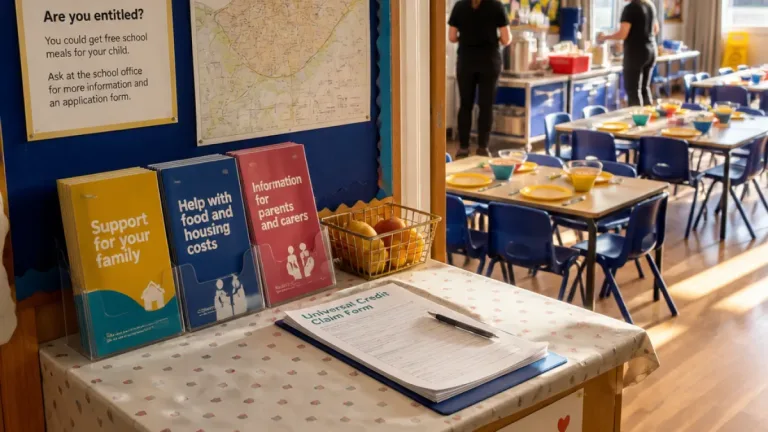
The discovery that many pupils skip breakfast before arriving at school touches on broader concerns about child nutrition and classroom readiness. Research and policy discussions repeatedly link adequate morning nutrition to concentration, behaviour and attainment. While this single classroom's questionnaire is not comprehensive evidence, it aligns with national worries that some children may be coming to school hungry — a factor teachers frequently report hampers learning, particularly later in the day.
Practical classroom strategies that take account of pupils' daily rhythms — for example, starting late-afternoon lessons with collaborative, sensory or personally relevant activities — may help mitigate the dip in attention. Equally, school leaders and policy makers might take note that simple, low-cost interventions and a focus on wellbeing can produce immediate improvements in engagement.
For teachers, the lesson offers an illustration of how curriculum content can be married to everyday culture and family life to make language learning feel more practical and pleasurable. For parents and policy makers, it is a reminder that pupils' physical readiness for school — whether they have had breakfast, for instance — remains a key determinant of how effectively they can engage with lessons across the day.