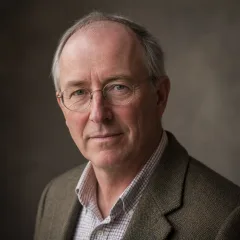
Solomon Rotimi, Vice President (West Africa) of the African Organisation for Research and Training in Cancer (AORTIC), will present on efforts to reduce the burden of prostate cancer at the National Cancer Institute's 14th Annual Symposium on Global Cancer Research.
What will be presented
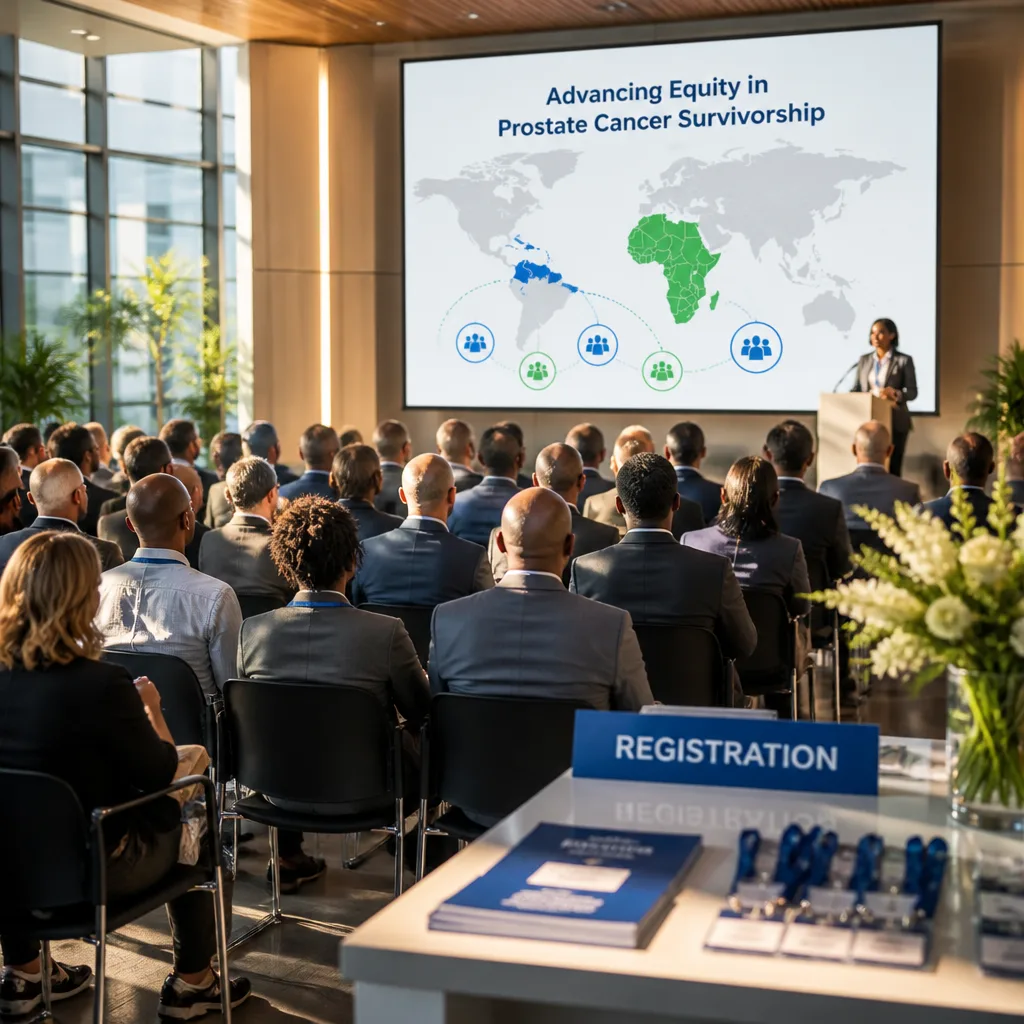
Rotimi's session, titled “Advancing Equity in Prostate Cancer Survivorship”, is scheduled for 17 September from 9:10 to 10:10 a.m. Eastern Time. The presentation will highlight the iCCaRE Consortium model and discuss how community‑engaged global oncology research can contribute to improved survivorship outcomes for Black men worldwide. Participation in the session is free, although registration is required.
“I look forward to sharing how our science is contributing to reducing the burden of prostate cancer and improving outcomes for men impacted by the disease at the National Cancer Institute (NCI)’s 14th Annual Symposium on Global Cancer Research. Our session, ‘Advancing Equity in Prostate Cancer Survivorship,’ will specifically highlight the iCCaRE Consortium model and how community‑engaged global oncology research can help improve survivorship outcomes for Black men globally.”
Speakers and collaborators
Rotimi will appear alongside established figures in global and community oncology research. Confirmed contributors to the session include:
- Prof. Folakemi T. Odedina (identified by Rotimi as his mentor)
- Dr Kimlin T. Ashing
- Dr Ernest Kaninjing
- Dr Ewan K. Cobran
The advertised line‑up suggests the session will blend academic, clinical and community perspectives; Rotimi emphasises the role of the iCCaRE Consortium as a model for collaborative, community‑engaged research.
Why this matters
Prostate cancer disproportionately affects men of African descent in many regions, and survivorship outcomes are shaped by a mixture of biological, social and health‑system factors. Community‑engaged research explicitly involves affected communities in the design and delivery of research and interventions, with the aim of making findings more relevant, acceptable and implementable. The iCCaRE Consortium—named in Rotimi's announcement—appears to be central to this approach in the session's framing.
At a time when global oncology increasingly emphasises equity and partnership, forums such as the NCI symposium provide a platform for exchanging practical models and lessons. The session's focus on survivorship—rather than solely on screening or treatment—signals attention to long‑term outcomes and quality of life, areas that often receive less public attention than diagnostics or novel therapies.
Practical details
Key session information, as provided in Rotimi's announcement, is summarised below:
| Item | Detail |
|---|---|
| Event | National Cancer Institute's 14th Annual Symposium on Global Cancer Research |
| Session | Advancing Equity in Prostate Cancer Survivorship |
| Date | 17 September |
| Time | 9:10–10:10 a.m. ET |
| Cost | Free (registration required) |
Those interested in attending must register through the symposium organisers. The announcement was shared on LinkedIn by Rotimi, who invited colleagues and the wider community to the session.
Implications and next steps
While the announcement sets out the session's theme and contributors, the scientific and policy impact will depend on the evidence and implementation lessons presented. Attendees should expect a discussion of the iCCaRE model's design and outcomes, and how community engagement has been operationalised across participating sites. For practitioners and policymakers, practical examples of partnership‑driven interventions or survivorship programmes will be of greatest immediate utility.
As global cancer research continues to prioritise equity, sessions such as this one serve as a testbed for translating consortium experience into scalable, culturally attuned interventions. The symposium will offer an opportunity to scrutinise those claims and to identify where further research, funding or policy change is needed.