Researchers have demonstrated that continuous, home-based sampling using a wearable device can detect bursts of the hormone aldosterone at night that routine clinic blood tests often miss, shedding light on why a common cause of high blood pressure can go undiagnosed.
Detecting a stealthy cause of hypertension
Primary aldosteronism — a disorder in which the adrenal glands produce excess aldosterone — is increasingly recognised as a frequent source of secondary hypertension and is linked with higher risks of heart disease, stroke and diabetes. In a multi-centre study led by teams in Bristol and Manchester, with collaborators in Bergen, Stockholm and Athens, investigators found that people with the condition can experience surges of hormone production both while awake and during sleep.
Because standard diagnostic testing is normally performed in daytime clinic settings, the researchers warn that night-time hormone activity may be overlooked, contributing to delayed or missed diagnoses.
How the wearable worked
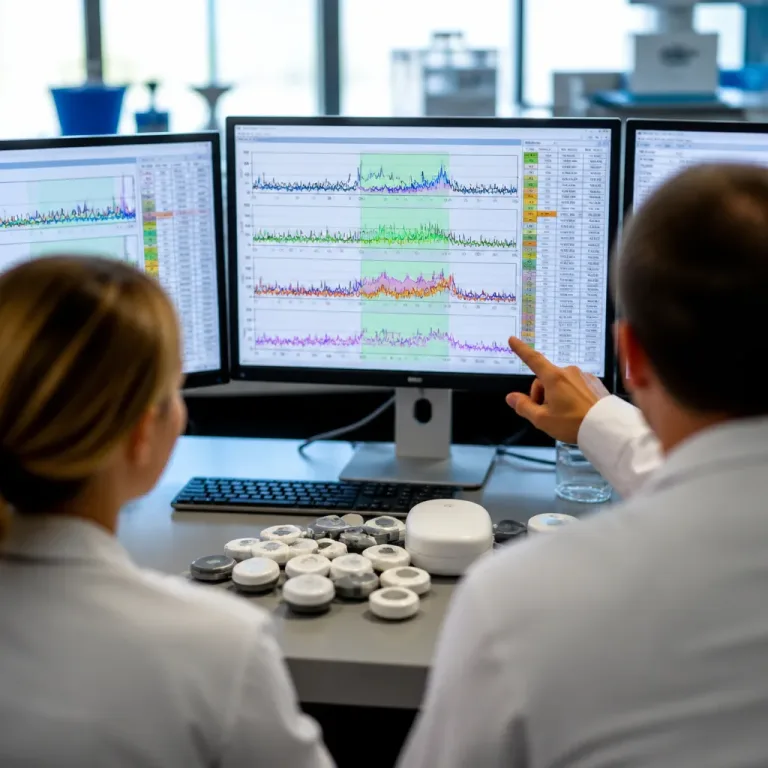
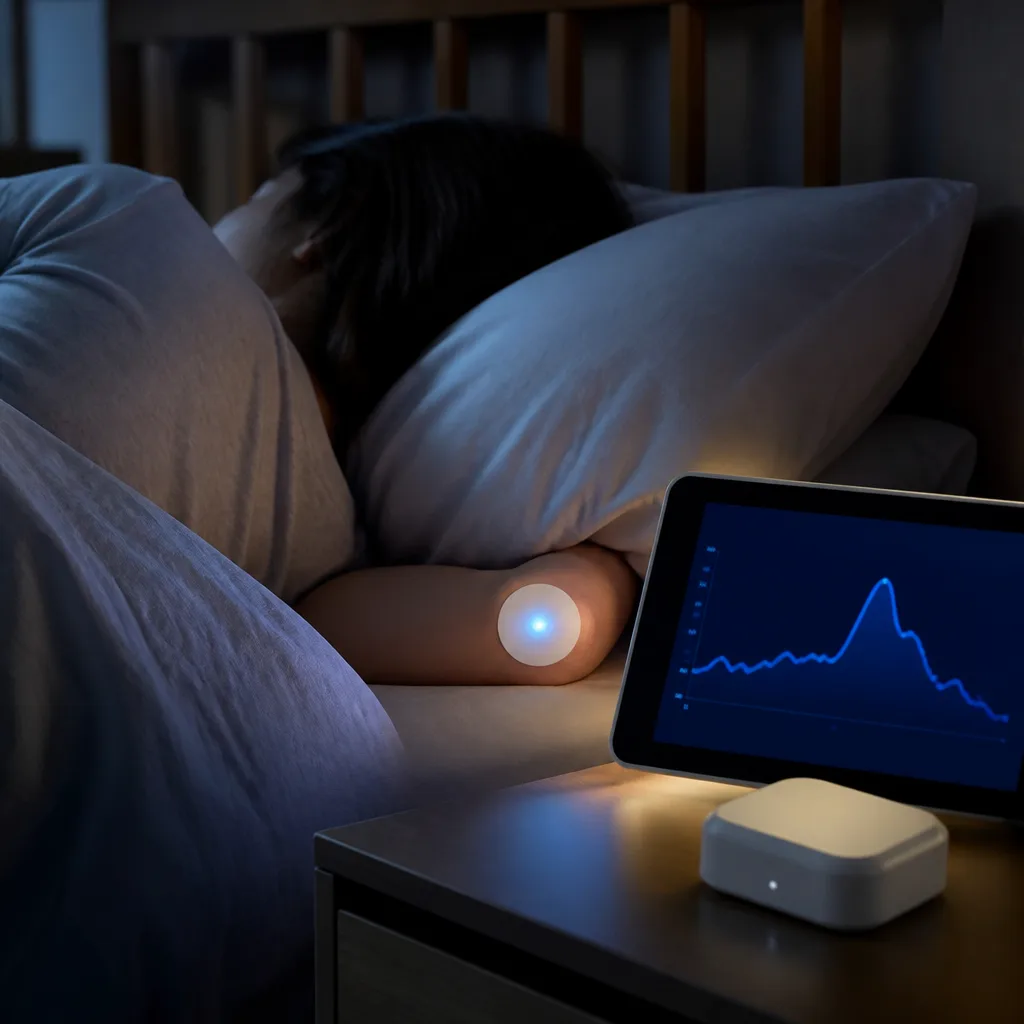
The study used a portable sampling device developed at the University of Bristol that permits continuous hormone monitoring while participants went about their normal lives at home rather than remaining in hospital or a research unit. That practical approach allowed investigators to map aldosterone variation across the 24-hour cycle under realistic conditions.
"Primary aldosteronism is an important cause of high blood pressure and the most common cause of secondary hypertension we see in our blood pressure clinic. It could be affecting millions of people in the UK. However, due to the way hormones change during the day and the current complexity of the diagnostic process, diagnosis is often delayed or never made at all."
The quoted remarks came from one of the study's co-lead authors, who emphasised that continuous monitoring in home settings enabled the team to observe hormone dynamics that traditional protocols miss.
- Primary aldosteronism may affect up to one in five people with high blood pressure, according to the study.
- Night-time aldosterone surges are particularly consequential because they fall outside the window of routine testing.
- Wearable continuous sampling allowed hormone tracking during ordinary daily routines, potentially exposing abnormalities that single-point tests cannot.
Clinical implications and challenges
The research suggests that moving from isolated blood draws to continuous or time-targeted sampling could improve detection rates for primary aldosteronism. Earlier diagnosis matters because the condition has specific treatments and is associated with a higher burden of cardiovascular and metabolic disease compared with essential hypertension.
However, the study does not claim that wearables are yet ready to replace existing diagnostic algorithms. The device used here is a research tool that demonstrates the principle: hormone levels fluctuate in ways that a one-off test cannot capture. Before implementation in routine care, larger studies and validation against standard diagnostic pathways will be necessary, along with consideration of cost, patient acceptability and integration into clinical workflows.
| Feature | Conventional testing | Wearable continuous monitoring |
|---|---|---|
| Timing | Typically single daytime samples | Round-the-clock sampling at home |
| Ability to detect nocturnal events | Poor | Good |
| Patient setting | Clinic or hospital | Home, normal daily activity |
The authors note that primary aldosteronism is the most common cause of secondary hypertension encountered in specialist clinics and that, given its prevalence, undetected cases could number in the millions in the UK. If continuous monitoring reliably reveals otherwise hidden hormone surges, it could prompt a rethink of how and when hormone tests are taken.
For clinicians, the finding is a reminder that a normal daytime aldosterone result does not exclude fluctuating excess production. For patients and policymakers, wearable sampling offers a window into physiology in situ — the endocrine equivalent of taking a video rather than a single photograph.
Further research will need to define diagnostic thresholds for continuous data, assess how wearable-driven pathways perform compared with current standards, and determine whether earlier detection translates into better long-term outcomes for people with hypertension.