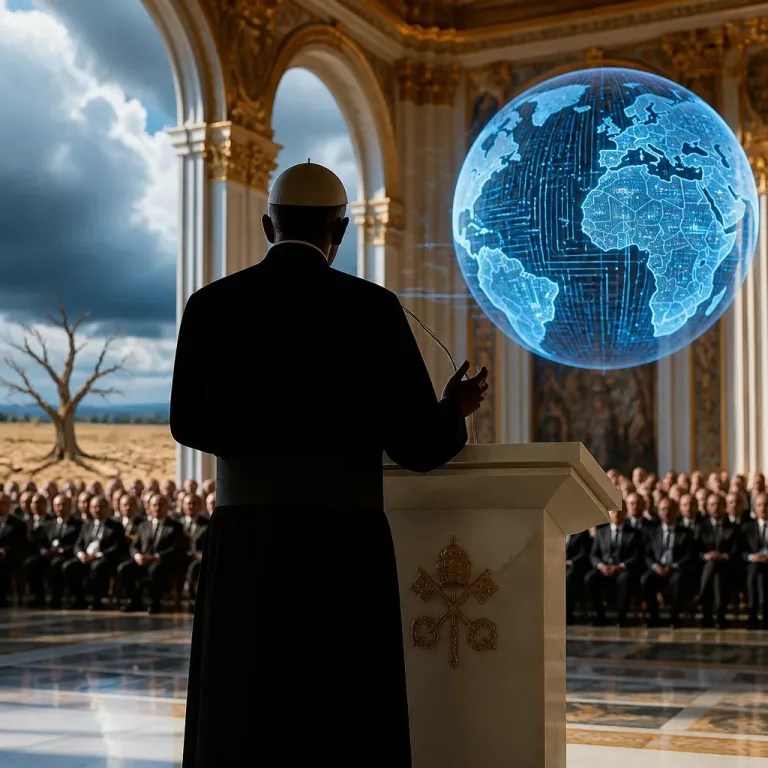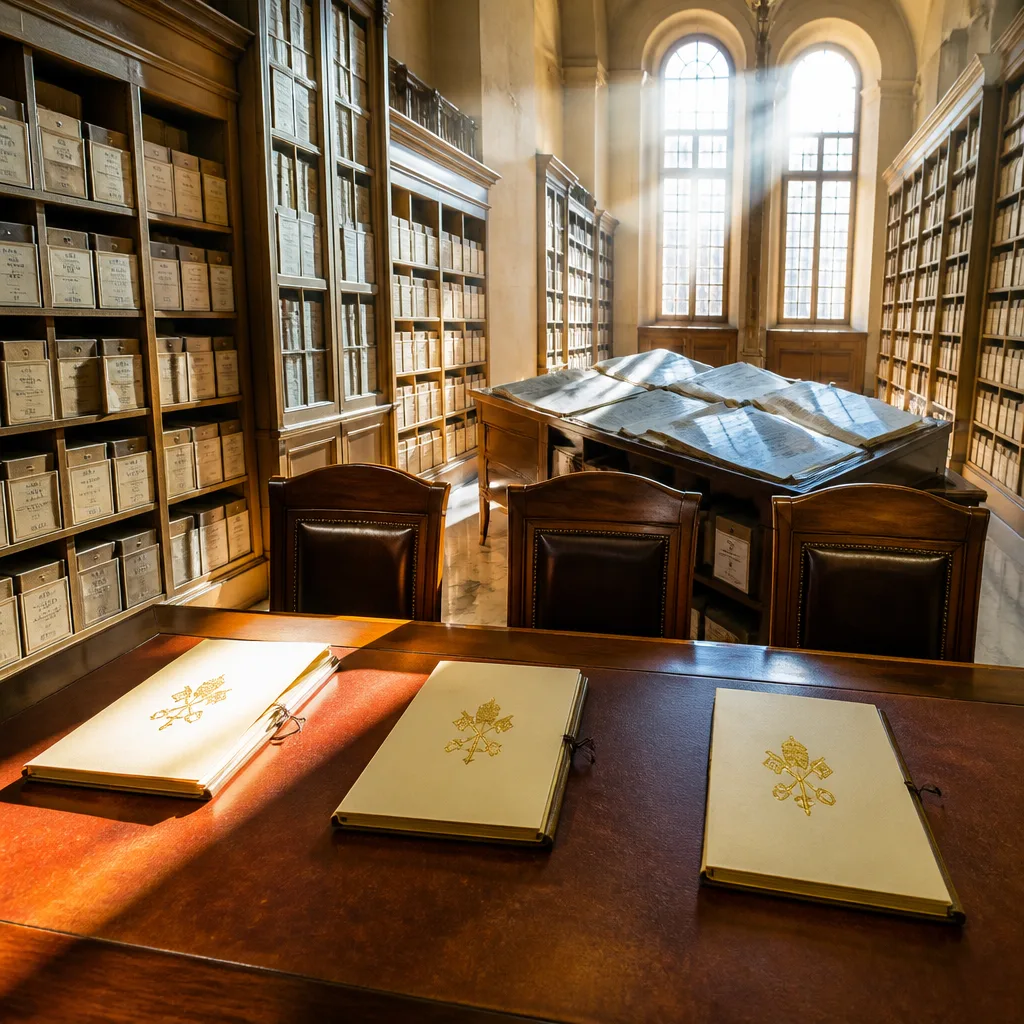
Pope Leo XIV has appointed three new members to the Pontifical Committee for Historical Sciences, the Vatican announced, in a move that highlights the enduring role of the committee in shaping research access to the Holy See’s archival collections.
Appointments and roles
The appointees are established scholars with backgrounds in historiography and academic administration. They are:
- Umberto Longo — director of the Italian Historical Institute for the Middle Ages in Rome (Italy).
- Francesco Cesareo — president emeritus of Assumption University in Worcester (United States).
- Anna Barańska — associate professor at the Faculty of Humanities of the John Paul II Catholic University of Lublin (Poland).
The Pontifical Committee, which sits at the intersection of Church history and academic practice, is currently chaired by the Jesuit priest Father Marek Inglot, with Pierantonio Piatti serving as secretary.
Institutional lineage and mandate
Founded in 1954 by Pope Pius XII, the committee continues a trajectory that the Vatican traces back to an earlier body established by Pope Leo XIII. That predecessor, the Cardinal Commission for Historical Studies, was created by the apostolic letter Saepenumero considerantes dated 18 August 1883. The committee therefore represents more than seven decades of formal institutional attention to the Church’s documentary heritage.
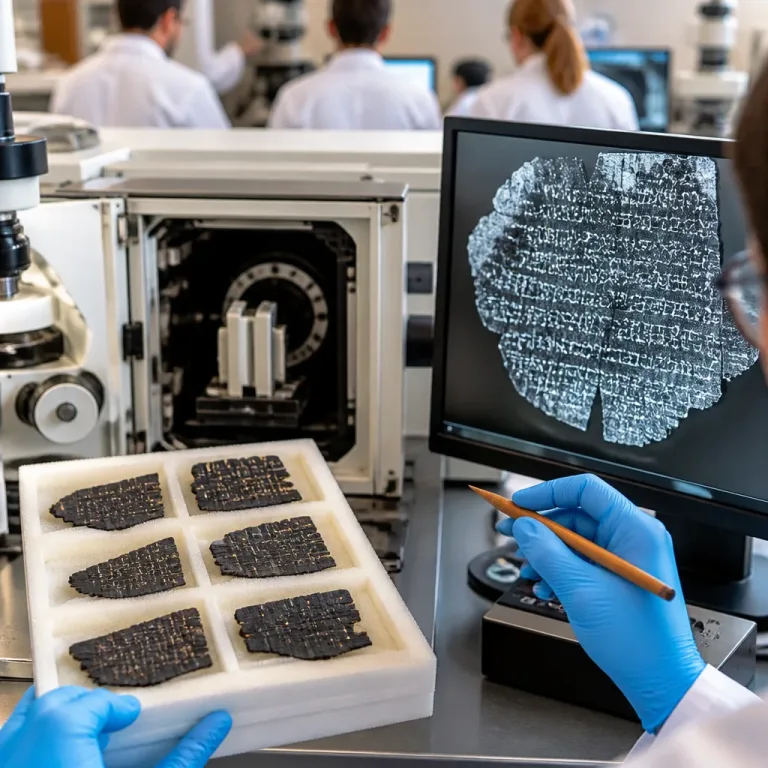
Over time the committee has focussed on the preservation, study and availability of ecclesiastical archives—above all the Vatican’s own collections. Public statements and the committee’s work programme have repeatedly emphasised the importance of allowing qualified scholars improved access to primary sources held by the Holy See.
Why these appointments matter
Appointments to the Pontifical Committee are consequential for several reasons:
- They shape advisory input on archival policy and scholarly collaboration between Vatican institutions and universities worldwide.
- Members bring expertise that can influence decisions on digitisation, cataloguing and researcher access to sensitive historical records.
- The international composition of the committee reflects the global nature of Catholic historical studies and the transnational flows of archival scholarship.
Each of the three new members brings a different institutional background: a national research institute director in Italy, a senior US university academic administrator and an Eastern European university scholar. Together they broaden the committee’s range of perspectives on curricular, archival and methodological questions.
| Member | Role/Title | Country |
|---|---|---|
| Umberto Longo | Director, Italian Historical Institute for the Middle Ages | Italy |
| Francesco Cesareo | President Emeritus, Assumption University | United States |
| Anna Barańska | Associate Professor, John Paul II Catholic University of Lublin | Poland |
Context and consequences for research
The committee’s remit—part advisory, part convening—has practical effects for historians who rely on Vatican repositories. Repeated appeals to the popes over decades, recorded in committee discussions, have sought broader and better access to the Holy See’s archival collections. Those requests reflect a tension common to many national and religious archives: balancing preservation and confidentiality with scholarly needs for open primary material.
For historians of medieval and modern church history, changes in committee membership can presage shifts in priorities: for example, accelerating digitisation projects, advocating for more systematic cataloguing, or negotiating access protocols for international researchers. Such changes do not happen overnight; they typically unfold through working groups, conferences and bilateral agreements that the committee helps to shape.
While the Vatican announcement is concise, the appointments are a reminder that the stewardship of historical records remains a live, technical and sometimes contested area of institutional policy. The committee’s long institutional pedigree — stretching formally back to 1954 and to antecedents from the 19th century — underlines how ecclesiastical archival practice is an enduring concern for both the Church and the scholarly community it serves.