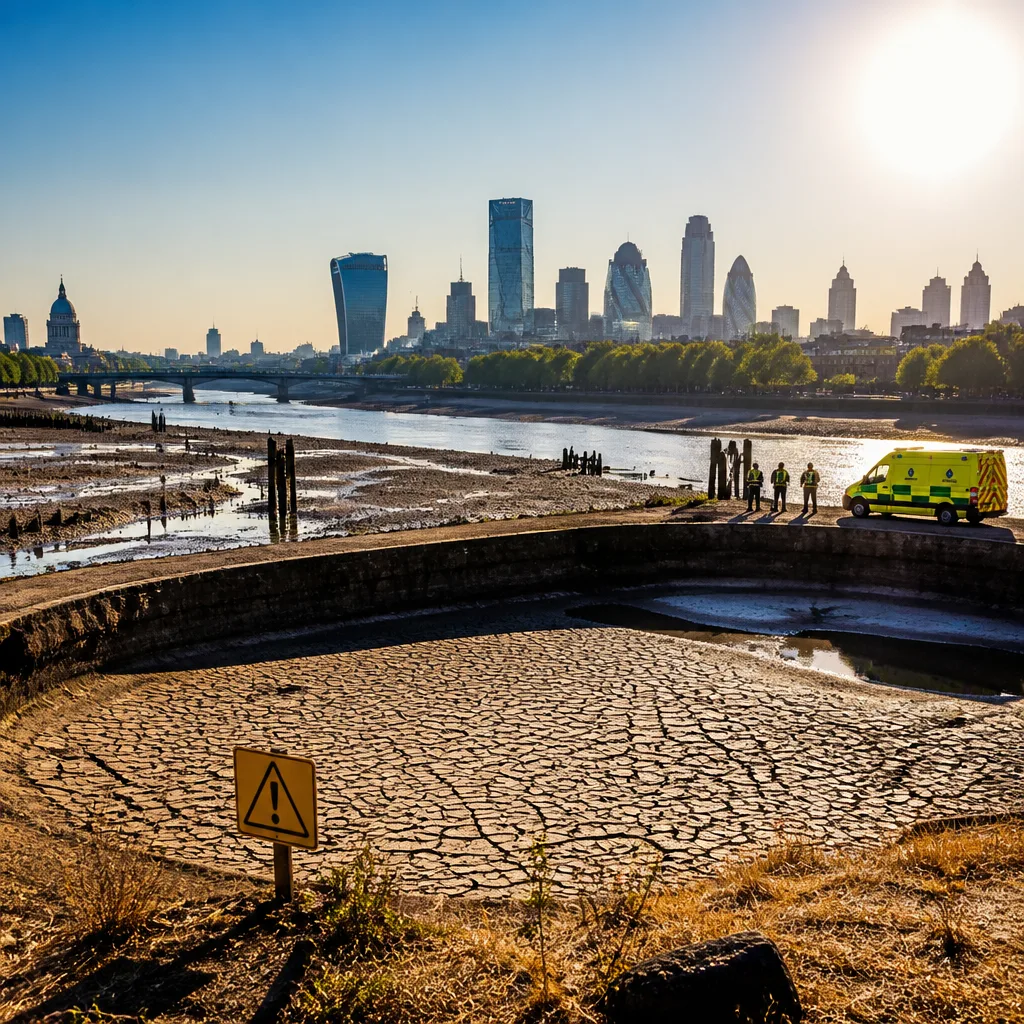
London has been issued a yellow health warning ahead of what meteorological agencies describe as the city's fifth heatwave of 2026. Authorities are preparing for increased demand on health and social care services, while emergency teams and land managers warn of growing wildfire risk across large swathes of the country.
What to expect
The UK has already recorded temperatures above 30°C on 30 days this year, placing it just four days short of the annual record of 34 such days. Forecasters say further hot spells next week could push that tally higher and raise the likelihood of new temperature records being approached or bettered.
Health and public safety
Health and social care services in the capital are preparing for a surge in demand as people seek relief from the heat. Authorities have also reiterated warnings about the dangers of entering open water to cool off, following a recent tragic incident in which a 14-year-old boy died after entering the water at Millwall Dock.
- Expect hotter-than-average conditions in London and parts of southern England.
- Public health advice: stay hydrated, avoid strenuous activity in the hottest hours and take care around open water.
- Services likely to see increased call-outs: ambulance, social care and fire services.
Wildfire threat and land management
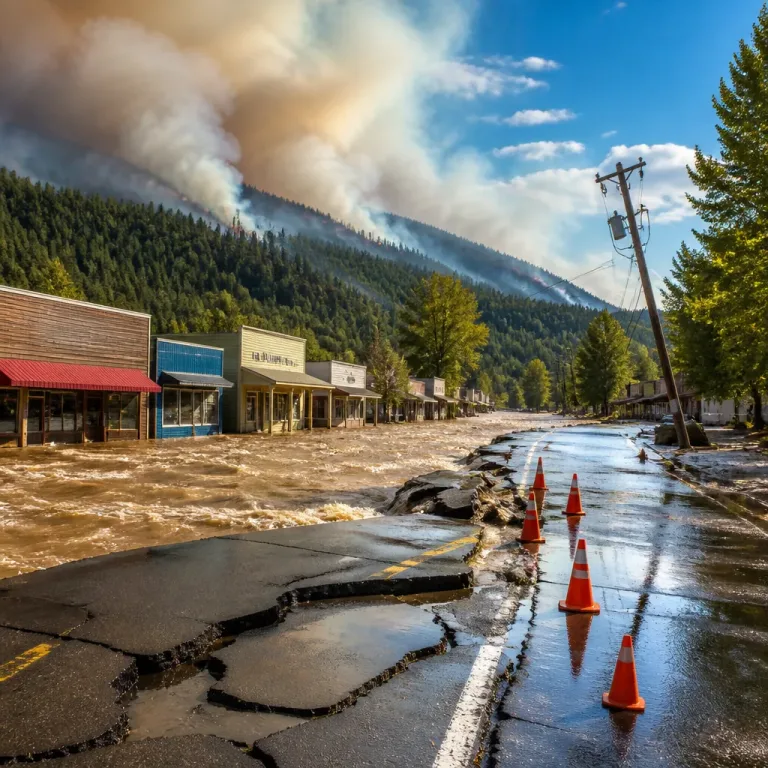
Dry vegetation and high temperatures have already contributed to several significant fires in recent weeks. Reported blazes include Dunwich Heath in Suffolk, Headon Warren on the Isle of Wight, Llanwonno in the Rhondda Valleys, South Wales, and a major incident in the Cairngorms National Park in Scotland.
The Fire Severity Index, which combines data on rainfall, temperature and humidity to assess how severe fires could be if they start, indicates that conditions are likely to be most severe in parts of the east and south‑east of England later in the week. For Sunday the index shows a heightened risk:
“Exceptional” severity is its highest ranking.
The index does not predict where fires will ignite, but officials use it to focus preparedness and resources where the potential impact of a fire would be greatest.
Water supplies under strain
Dry conditions have also had a measurable impact on water storage. Reservoir storage in England has fallen to 69%, down from 72% a week earlier and about 12 percentage points below the long‑term average for this time of year. By contrast, storage stood at 85% at the end of June.
Environment Agency figures show a number of reservoirs are now classed as having "exceptionally low" levels. The data made public so far include:
| Reservoir | Reported level |
|---|---|
| Blagdon (Somerset) | 54% full |
The source material notes there are five reservoirs in the "exceptionally low" category, and that overall storage has dropped steadily since the end of June.
Practical advice and outlook
People in London and across affected areas should follow public health guidance: keep cool, limit exposure during the hottest parts of the day, drink regularly and check on vulnerable neighbours and relatives. Avoid swimming in unfamiliar or unsupervised waters; emergency services emphasise the increased danger at popular cooling spots.
Officials are monitoring the situation closely. The combination of repeated hot spells, dry conditions and depleted water reserves increases pressure on emergency services and land managers, and keeps the risk of additional wildfires and heat‑related health impacts elevated. Forecast confidence for continued hot conditions is strong in the short term, but specific extremes and the precise geographic spread of the most severe impacts remain subject to change as systems evolve.