
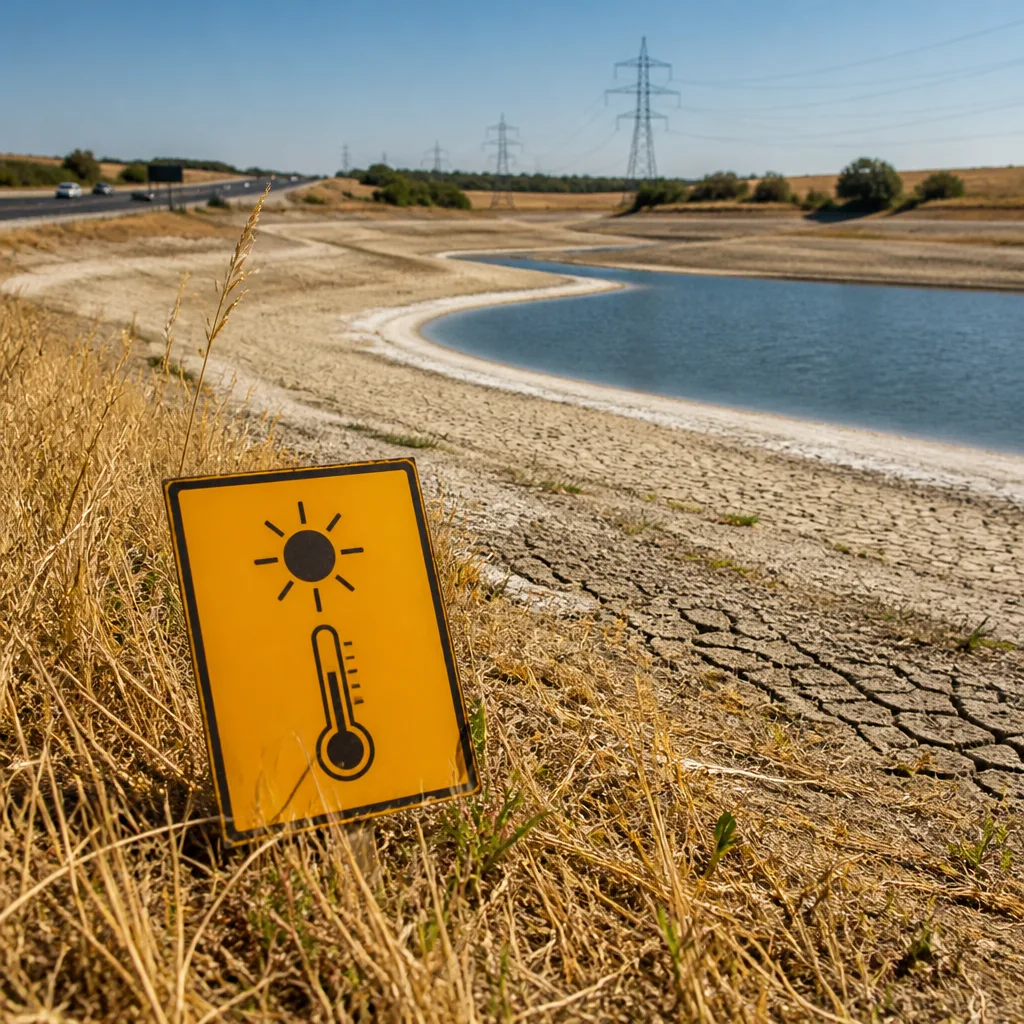
Hot, dry conditions are forecast to continue across much of the UK next week, with forecasters warning of further impacts on health, infrastructure and water supplies. Temperatures are expected to rise to around 36°C in some areas on Wednesday and Thursday, and no significant widespread rainfall is anticipated in the near term.
What to expect this week
Met Office guidance indicates a persistent pattern of dry, warm weather for the south and central parts of the UK for the coming week. The agency has warned of potential disruption to transport and utilities as heatwave conditions return to many areas.
“Unfortunately, in the south of the UK it’s looking really dry for the next week or so. Where we desperately need it in the particularly drought-affected areas, the week ahead is expected to be dry,”
Forecasters say there are tentative signals of rain returning around 18–19 August but described those indications as far from definitive.
Current impacts and official responses
Health authorities have issued alerts as the heat is expected to have tangible effects on vulnerable people and on care settings. The UK Health Security Agency has placed yellow heat-health alerts in force until 9pm on Tuesday for the:
- East Midlands
- West Midlands
- South East
- South West
- East of England
- Yorkshire and the Humber
- London
Officials say significant impacts are possible in health and social care settings, and there is concern about a rise in heat-related deaths following earlier extreme conditions this summer.
So far this year the UK has recorded 34 days on which temperatures exceeded 30°C somewhere in the country, matching the total for 1995. A 31-year-old national temperature record was matched on Sunday and forecasters say it is likely to be exceeded next week.
Water resources and fire risk
Half of England and the whole of Wales have been formally declared to be in drought. The National Drought Group is due to meet on Monday to consider whether further areas should be added. The prolonged dry spell follows a summer that has included two record-breaking heatwaves in May and June, and two further heatwaves in July; July was the driest on record in England and Wales since records began in 1836.
Emergency services are already feeling the strain. Nottinghamshire Fire and Rescue Service declared a major incident over the weekend after two large woodland fires put pressure on resources.
| Issue | Current status |
|---|---|
| Declared drought | Half of England and all of Wales |
| Heat-health alerts | Yellow alerts until 9pm Tuesday for seven regions |
| Recent notable temperatures | Up to 36°C forecast; 34 days >30°C so far this year |
| Recent impacts | Major incident declared for woodland fires; pressure on health and social care |
Practical advice
- Follow local health guidance if you are in an at-risk group (older people, very young children, those with chronic conditions).
- Avoid strenuous activity in the hottest part of the day and ensure access to cool, shaded or air-conditioned spaces where possible.
- Be aware of travel updates — high temperatures can affect railway lines and power networks.
- Observe any water-use restrictions and follow advice from local water companies as drought management measures are considered.
Forecasters and health authorities stress the importance of staying informed: forecasts and alerts may change as the situation develops, and the early indications of rain later in the month remain uncertain.
This summer’s sequence of extreme conditions has already been associated with serious consequences; official figures show more than 2,800 excess deaths linked to the record-breaking heatwaves in May and June. With warm, dry weather set to continue in many places, the coming week is likely to bring further strain on services and infrastructure.
Public agencies will meet and update guidance as new information becomes available; people are advised to check official channels for local alerts and advice.









