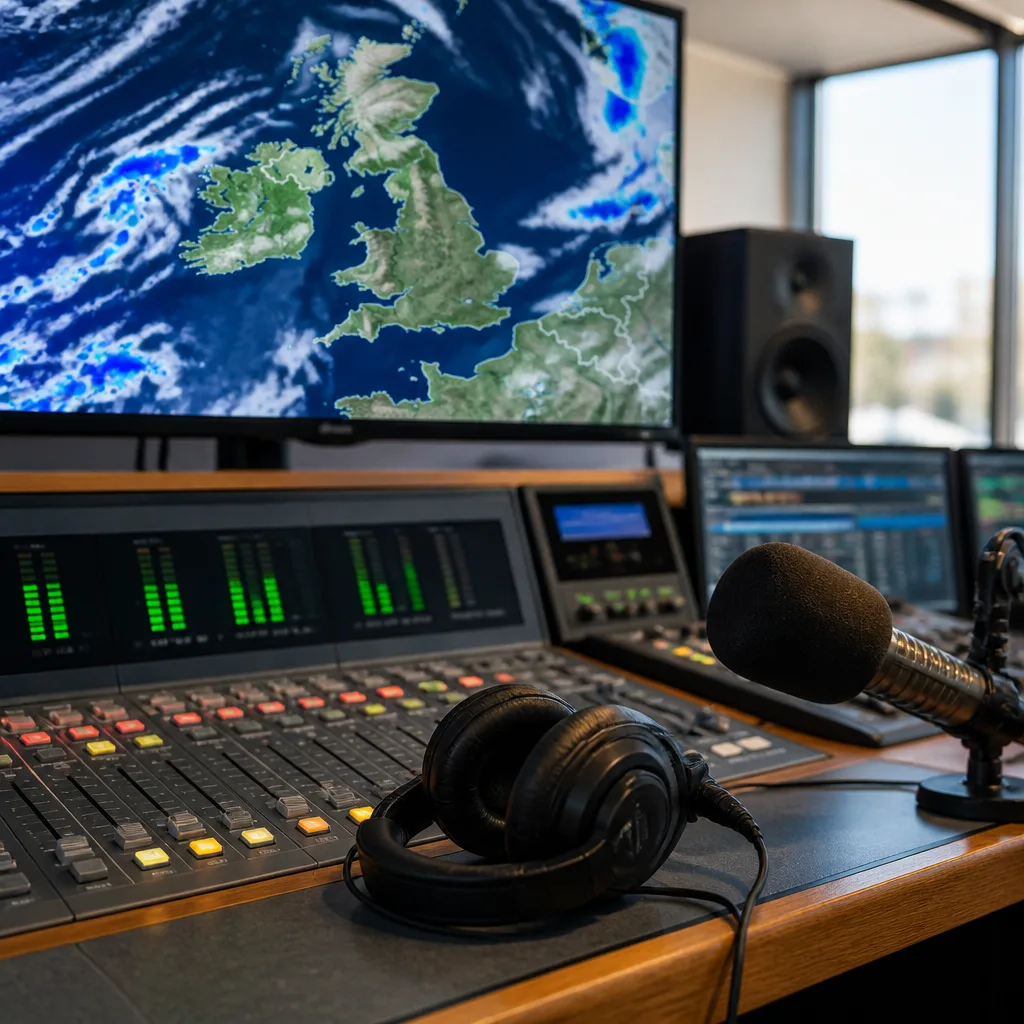
The BBC has confirmed a technical fault affected the audio levels on recent national weather bulletins presented by Judith Ralston, and has issued an apology after receiving complaints from viewers who struggled to follow the forecasts. The corporation says the issue has now been resolved.
What happened and what viewers should expect
Viewers reported difficulty understanding a series of weather segments broadcast nationally earlier this month, describing some broadcasts as difficult to follow because the presenter's voice faded in and out. The BBC investigated and found the audio mix was below the levels intended for transmission.
The broadcaster has since corrected the problem and advised audiences that normal service has been restored. For viewers who rely on clear verbal delivery — including older audiences and those with visual impairments who depend on spoken forecasts rather than on-screen graphics — the restoration of reliable audio is particularly important.
BBC statement and audience reaction
A BBC spokesperson acknowledged the complaints and expressed regret for the inconvenience caused. The corporation said the lower than expected audio levels were a technical issue, now fixed.
“We received complaints regarding the audio quality during weather forecasts presented by Judith Ralston. We apologise for any inconvenience this may have caused.”
Some viewers defended the presenter, pointing to an intermittent microphone fault rather than the presenter's accent. Others noted the difficulty in hearing weather bulletins on certain platforms, underscoring the importance of consistent audio across television, online streams and catch-up services.
Context: changes reported in BBC Weather team
The apology comes amid reports of broader restructuring within BBC Weather. Media coverage has suggested that senior presenters may be considering voluntary redundancy as the corporation moves towards a more digital and locally focused model. Names reported in connection with possible departures include high-profile forecasters who together represent significant presenting experience.
| Presenter | Reported status |
|---|---|
| Tomasz Schafernaker | Reportedly considering redundancy |
| Louise Lear | Reportedly considering redundancy |
| Darren Bett | Reportedly considering redundancy |
Reports say those three presenters collectively have more than 86 years of presenting experience, a fact that highlights the depth of expertise potentially affected by any staffing changes. The precise outcome of voluntary redundancy offers has not been confirmed by the BBC.
What this means for weather coverage
According to reporting on the wider shake-up, the BBC is moving to increase the role of local presenters and digital platforms in its meteorological coverage. That plan would reduce the size of the national presenting team and relocate some national duties between London and Salford.
For audiences, the immediate takeaway is practical: expect clearer audio on weather bulletins going forward. If you experienced issues during the affected broadcasts, you may wish to:
- Check catch-up services or the BBC iPlayer for corrected versions of the bulletin.
- Report any further audio problems via the BBC’s feedback channels so the corporation can monitor persistent faults across platforms.
- Where possible, use subtitles or on-screen graphics as a backup when audio is unclear.
Clear, reliable delivery of weather information is essential, particularly when forecasts inform travel, health and safety decisions. The BBC’s swift acknowledgement and fix of the audio issue should reassure viewers that the corporation is monitoring broadcast quality. Any larger organisational changes remain subject to internal discussions and have not been finalised publicly.