Tanakpur, Uttarakhand: Women’s contributions to local culture, agriculture and household livelihoods were put centre-stage at a women-focused cultural fair organised by the Seva Sankalp Foundation in Tanakpur on Wednesday, where organisers presented the Nanda Shikhar Samman to 10 women from varied backgrounds.
Honours, performances and a green drive
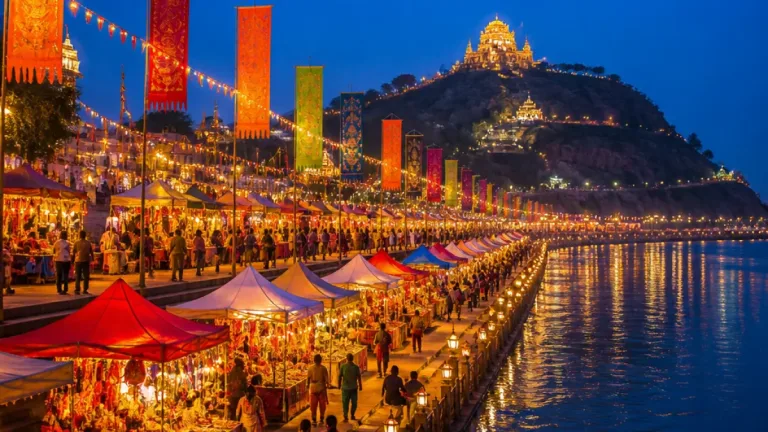
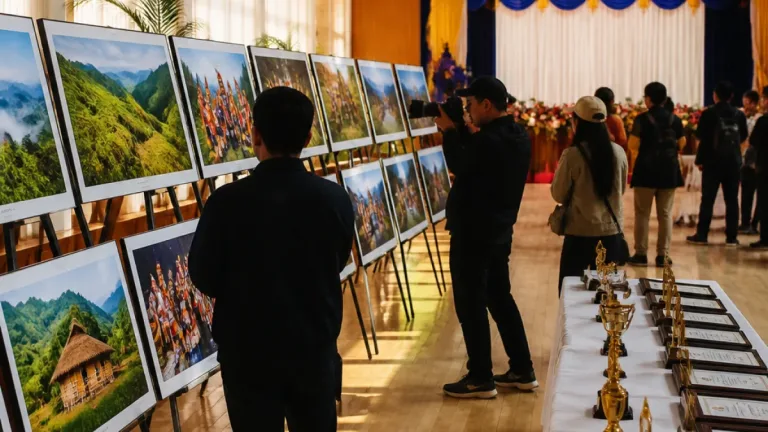
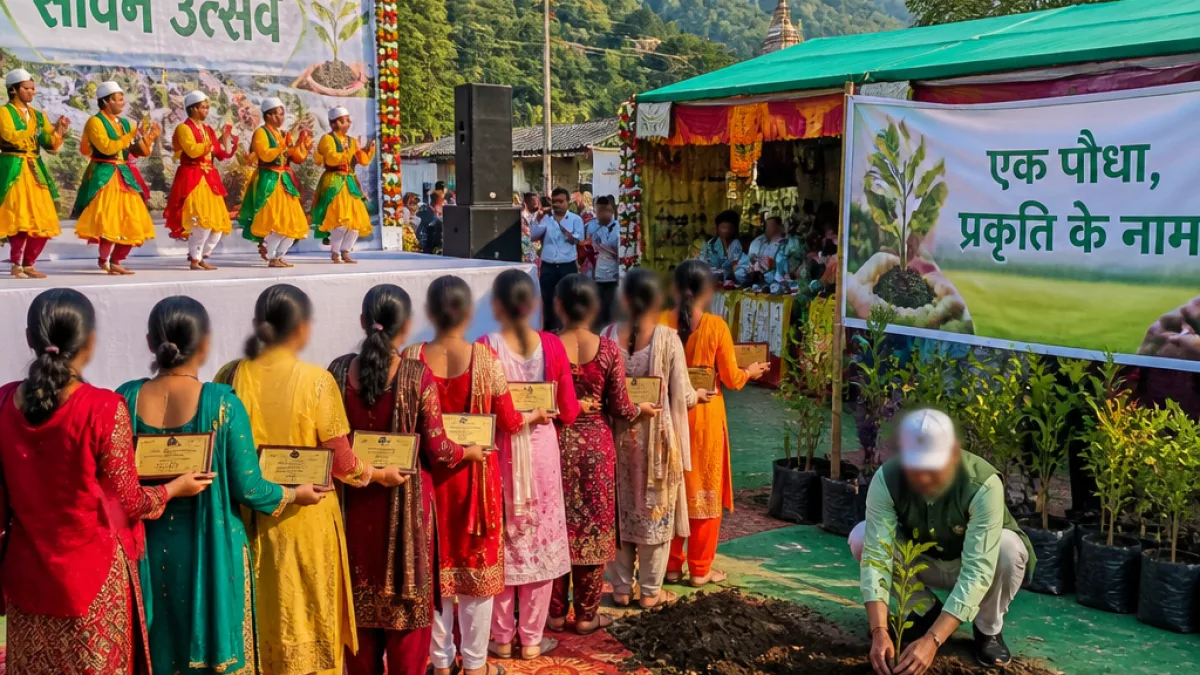
The Sawan Utsav 2026 at Milan Vatika combined cultural performances and competitions with recognition of community service. The foundation said it honoured women active in self-help groups, education and public health, as well as entrepreneurs and frontline workers.
As part of the foundation’s environmental initiative, participants received saplings and the founder-trustee planted a sandalwood sapling under the campaign Ek Paudha, Prakriti Ke Naam, urging attendees to take part in local conservation efforts.
- Folk dance and tradition-based presentations — including portrayals linked to Shiva-Parvati and regional Gaura Mahesh forms — were staged.
- Competitions such as a folk-dance contest and the Mrs Sawan Queen 2026 contest were held to promote local arts.
- Sapling distribution targeted women participants to encourage household-level green initiatives.
Who was recognised
The 10 recipients of the Nanda Shikhar Samman represented a cross-section of community roles. The foundation highlighted recipients from self-help groups, teachers, Anganwadi and ASHA workers, a medical technician serving emergency services, and the area’s first woman tuk-tuk driver.
| Category | Example recipient |
|---|---|
| Self-help group member | Representative woman entrepreneur |
| Education | Local teacher |
| Health/Childcare | Anganwadi or ASHA worker |
| Emergency services | Medical technician |
| Transport/Non-traditional work | First woman tuk-tuk driver in the area |
Linking cultural pride with economic opportunity
Addressing the gathering, Seva Sankalp Foundation founder-trustee Geeta Dhami said women were not confined to household duties and had significant roles in farming, cultural preservation and income generation. The foundation said it plans to prioritise education, skill development, entrepreneurship and market access for women seeking greater economic independence.
Speakers pointed to several state initiatives as tools that can facilitate women’s progress. The foundation referenced the Nanda Gaura Yojana, the Mukhyamantri Ekal Mahila Swarozgar Yojana and the Lakhpati Didi initiative as programmes that could expand educational reach and livelihood opportunities for women across the hill state.
Community turnout and social reach
Local public representatives and community members attended the event. The programme combined traditional entertainment with practical outreach: organisers said that by recognising local women and providing saplings, the festival aimed to strengthen both cultural identity and grassroots environmental action.
Organisers described the event as an attempt to blend celebration of Uttarakhand’s folk heritage with steps to support women economically. By showcasing women in non-traditional roles such as a tuk-tuk driver and emergency medical work, the festival sought to broaden perceptions about women’s spheres of work in both rural and semi-urban areas.
Seva Sankalp Foundation said further activities would include skill-training sessions and marketing support for women-led ventures, although no detailed timetable was released at the programme.
Local observers noted that such events, which pair cultural programming with recognition and small-scale environmental actions, can raise visibility for women’s contributions and offer modest pathways to organised support at the community level.