Downstream safety concerns after funerals close to Sutlej in Bilaspur
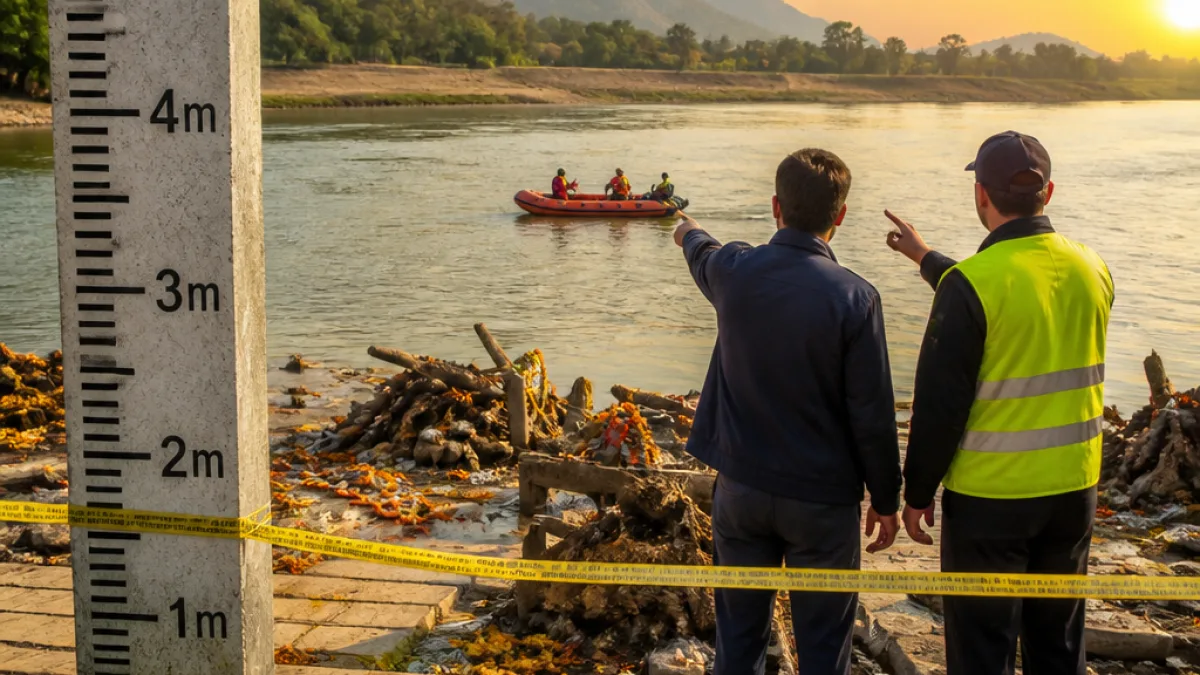
Bilaspur, Chhattisgarh: Authorities have raised fresh safety alarms after funerals were conducted close to the Sutlej riverbank in downstream areas served by the Koldam Hydropower Project, including parts of Bilaspur district. Project management said water releases can cause rapid rises in river level and that at least one scheduled discharge was delayed because people were standing near the active channel.
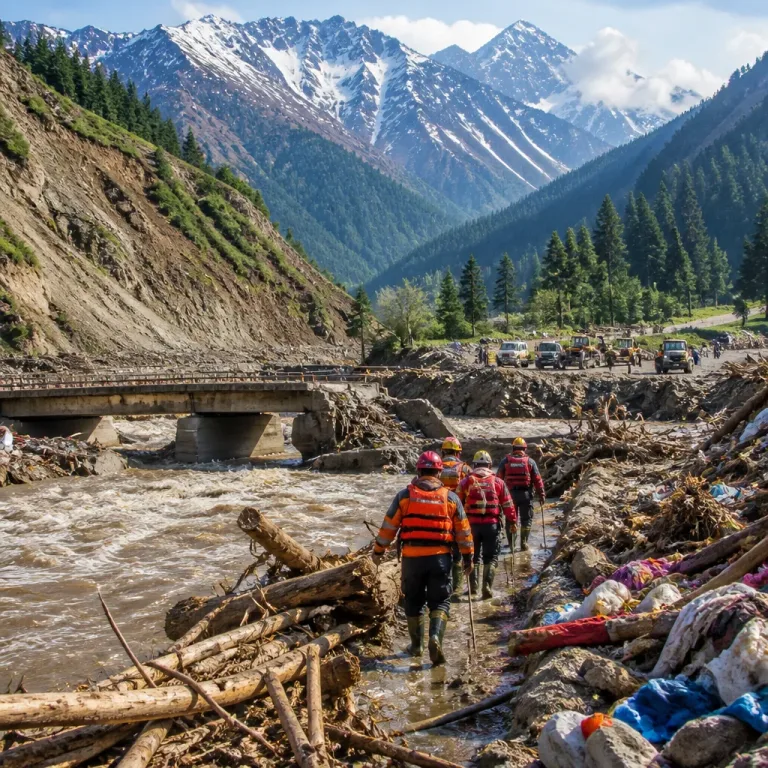
Officials and the Koldam project management told reporters that the water level in downstream reaches can rise sharply within a short period after water is released from the project. In certain circumstances this increase can be as much as 4–5 m, turning seemingly safe riverbanks into hazardous zones.
- Incidents recorded in Mandi and Bilaspur districts after funerals were held close to the Sutlej.
- At least one scheduled release from Koldam was postponed to ensure public safety, project management said.
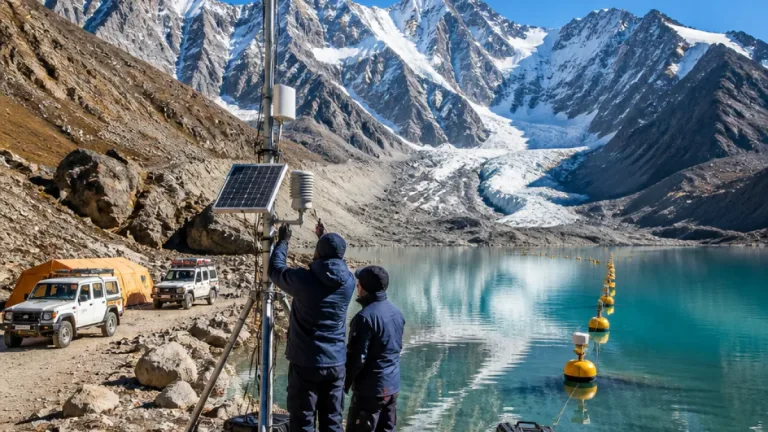
- Project has an established warning mechanism — alarms, vehicles and other channels — and local administration has repeatedly advised people to keep away from the river during releases.
One specific episode occurred on Sunday near Alsu in the Mandi area close to Barmana, where a funeral being conducted on the Sutlej riverbank led the project to delay a planned release because people were present near the water. Project officials said such delays are used to avoid placing people in immediate danger when public gatherings are close to the active channel.
"People standing close to the active river channel may have little time to react or reach higher ground," the Koldam management said, stressing the need for prior intimation when activities must be held near the riverbank.
Project management described an established warning mechanism for downstream communities. Before water is released, alerts are conveyed through alarms, vehicles and other available means to notify residents. The local administration has also repeatedly cautioned residents and visitors to avoid the riverbank and exercise extreme care when releases are expected.
Officials noted two such cases reportedly occurred within a span of two days, underlining gaps in public awareness and compliance with safety protocols. They emphasised that when a funeral or other unavoidable activity must occur near the river, the Koldam management or concerned authorities should be informed in advance so that timing of releases can be adjusted where feasible.
| Parameter | Reported detail |
|---|---|
| Locations affected | Mandi and Bilaspur districts (including Alsu near Barmana) |
| Maximum reported rise in water level after release | 4–5 m |
| Immediate operational response | At least one scheduled release delayed |
| Warning channels | Alarms, vehicles and other available means |
Rohan Pillai-style reporting of environmental risk stresses that the speed and scale of water-level change make riverbanks hazardous within minutes. The project management reiterated that prior intimation of gatherings near the river allows adjustments to release schedules and reduces risk to life.
Local authorities have often urged communities to observe prescribed safety zones along the Sutlej during operational releases. The recent incidents, officials said, highlight the need for renewed public-awareness campaigns and stricter adherence to warning signals so that cultural and religious practices can proceed without endangering participants.
Residents of downstream villages are being asked to remain vigilant and follow warnings from the Koldam management and the local administration. Officials said they will continue to use alarms and mobile warning units to alert people before planned discharges and that prior coordination is essential when activities must be held close to the river.