Chief Minister seeks policy push for yak herders, links conservation to national security
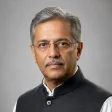
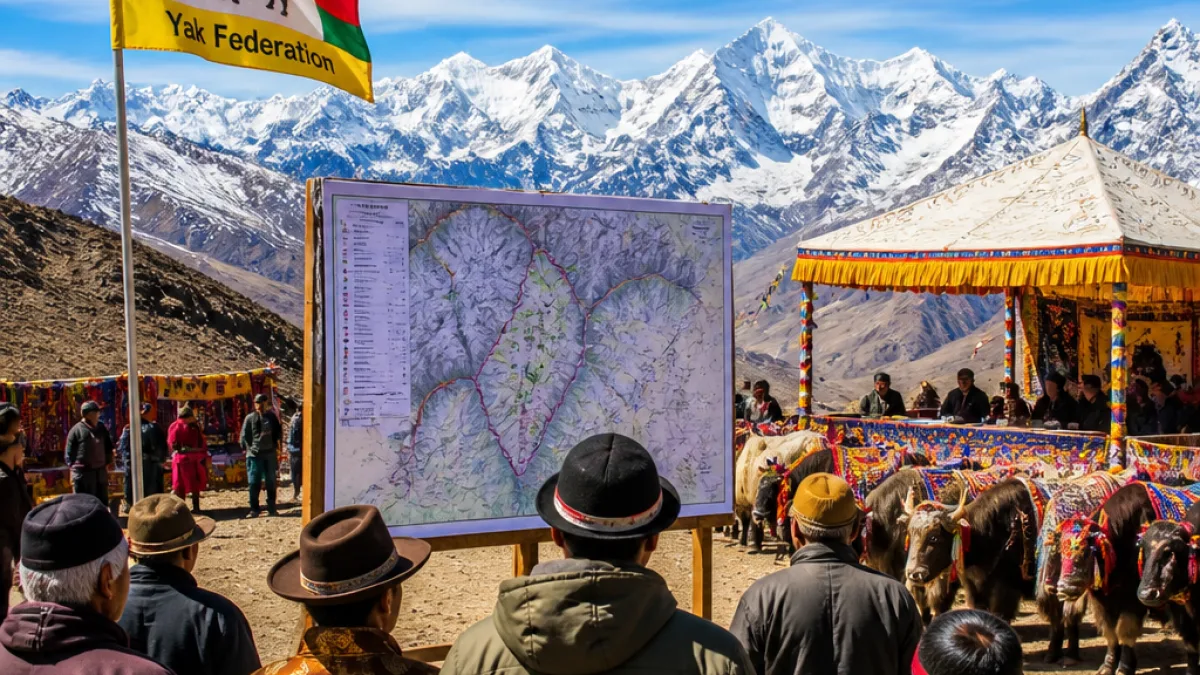
Arunachal Pradesh Chief Minister Pema Khandu on Monday called for a comprehensive roadmap to conserve yaks, bolster the incomes of yak herders and develop the market potential of yak-based products. Speaking at the Yak Economy Summit and Yak Mela held at Mago in Tawang district, he urged co-ordinated policy action from the State and Central governments to support pastoral communities living in remote Himalayan tracts.
Khandu said yak rearing is more than a source of livelihood for communities in the high-altitude belt; it is integral to their social and cultural life and has strategic importance across the Himalayan region, extending from Jammu and Kashmir to Arunachal Pradesh. He said the summit's deliberations carried significance beyond the State.
"From the perspective of national security, it is our duty to support our Brokpa communities and yak herders through appropriate policy interventions,"
The Chief Minister noted recent institutional steps to unite regional stakeholders: yak associations have been established in Arunachal Pradesh, Sikkim, Ladakh and Himachal Pradesh and are now linked under a national body, the Yak Federation of India. He recalled participating virtually in the Federation’s inaugural programme in Ladakh and said the Mago meeting builds on that foundation.
Khandu announced that a follow-up meeting would be held within three months, in February, to review progress and present a concrete roadmap. He outlined preparatory work that must precede policy measures, stressing the need for a clear evidence base on which to plan interventions.
Mapping, infrastructure and seasonal patterns to guide policy
According to the Chief Minister, comprehensive mapping of yak populations, herders and their seasonal movements is essential before substantive planning can begin. He said identifying both summer and winter grazing camps is required to design appropriate infrastructure and ensure the sustainability of pastoral systems.
While Khandu emphasised improving incomes through value addition and market development for yak-derived products, he set out a phased approach: assessment, mapping, infrastructure provisioning and targeted policy support by State and Centre. He did not, in his address, provide detailed financial commitments or specific schemes.
The summit and mela at Mago brought together regional stakeholders to discuss conservation, livelihoods and collective marketing. The Chief Minister indicated that the roadmap would identify policy measures that the State government can take and those requiring Central assistance, but did not publish the draft at the event.
| Item | Action proposed |
|---|---|
| Population & herder mapping | Comprehensive mapping of yaks, herders and seasonal camps |
| Policy coordination | Joint State-Centre interventions; follow-up meeting in February |
| Federation | Yak Federation of India established to link regional associations |
Local stakeholders said the focus on mapping and infrastructure could assist in planning cold chains, veterinary services and market linkages, though specific projects and funding sources were not announced at Mago. The Chief Minister framed the proposal as a duty to safeguard both livelihoods and the strategic presence of communities in high-altitude border tracts.
- Follow-up: A progress review meeting is scheduled within three months, in February.
- Institutional step: Regional yak associations have formed a national Yak Federation.
- Priorities: Mapping of seasonal grazing, infrastructure planning and targeted policy measures.
The summit underscores growing attention within the State to pastoral economies in mountainous zones and the intersection of development, cultural preservation and border-area resilience. Officials at the event were expected to work on a roadmap that will later identify specific measures and any required assistance from the Government of India.
No financial outlays or firm timelines for implementation were disclosed during the address. The Chief Minister limited his comments to the need for evidence-based planning and intergovernmental cooperation to strengthen yak conservation and raise herder incomes across the Himalayan belt.