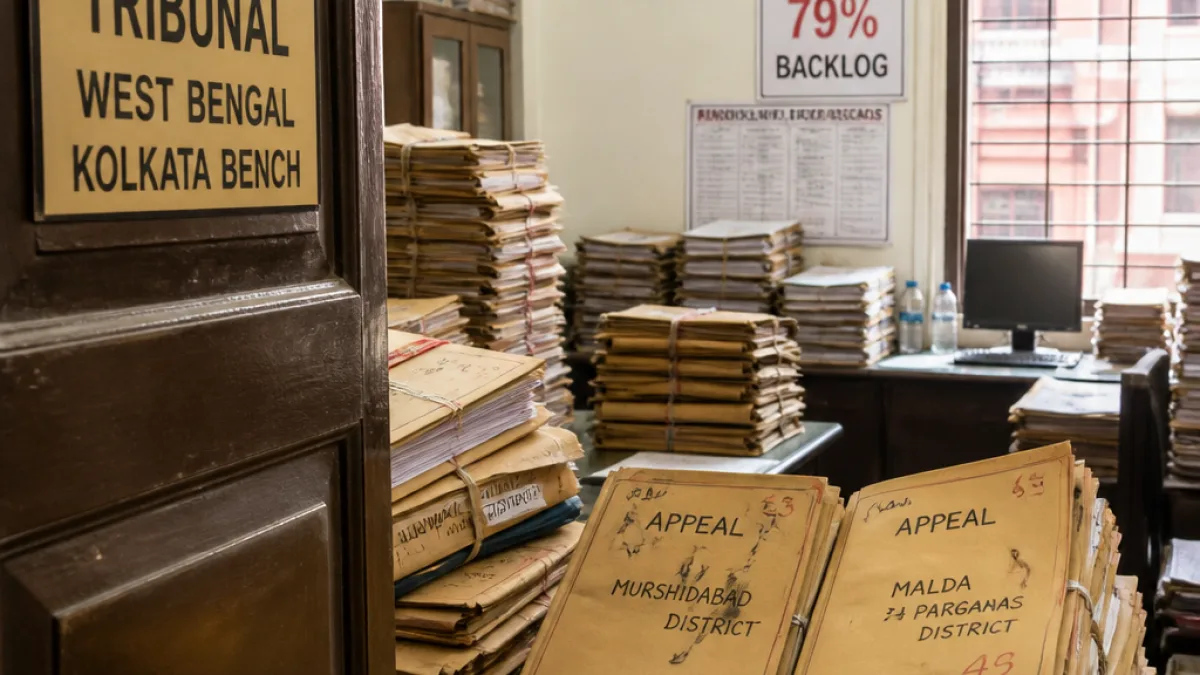
Kolkata: Opposition parties, civil society groups and public intellectuals have pressed the West Bengal State Election Commission (SEC) to postpone municipal elections in urban pockets of greater Kolkata, warning that roughly 1.6 lakh appeals against deletion from electoral rolls remain unresolved in the Kolkata and Howrah jurisdictions.
Delegation asks SEC to wait for ECI revision process
In a memorandum submitted on Monday, the delegation asked the SEC to schedule the Kolkata Municipal Corporation (KMC), Howrah Municipal Corporation (HMC) and other civic polls only after the conclusion of the Election Commission of India’s (ECI) special re-enrolment drive and the Special Summary Revision (SSR) of electoral rolls, due to wind up in January 2027, according to the memorandum cited in the submission.
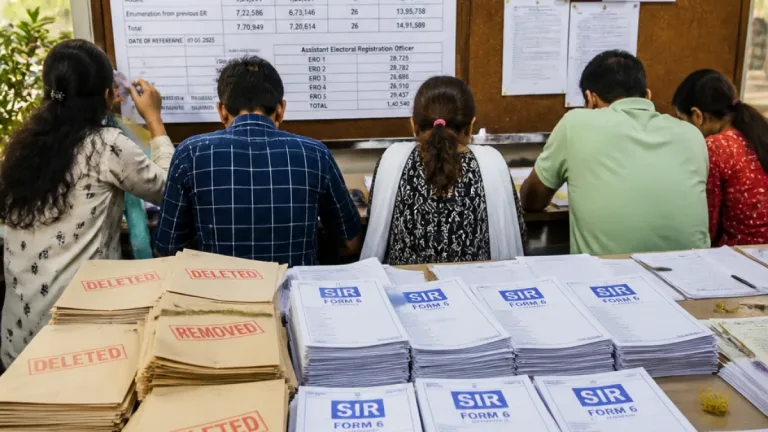
The groups also demanded that all electors whose appeals against deletion under the Special Intensive Revision (SIR) remain pending before appellate tribunals be retained on the rolls used for municipal elections, the memorandum said.
Scale of pending appeals in the two cities
The memorandum relies on figures disclosed by the ECI in an affidavit filed in the Supreme Court on 16 September 2026. It states:
- 1.2 lakh appeals pending within KMC limits
- 39,000 appeals pending in HMC
- Combined total: ~1.6 lakh pending appeals
Signatories to the memorandum argued that the high number of pending cases posed a risk of disenfranchisement if municipal elections proceed while appeals remain unresolved, pointing to ECI data that showed appellate tribunals disposed of earlier cases overwhelmingly in favour of inclusion.
According to the document cited by the delegation, all disposed cases in Kolkata district and 99% of those in Howrah were decided in favour of inclusion.
SEC response and next steps
The office of State Election Commissioner Krishna Gupta accepted a request to meet the delegation and agreed to receive the memorandum at 3 pm on Wednesday, 28 October, the memorandum said. The meeting is likely to focus on whether the SEC will align municipal poll schedules with the ECI’s SSR calendar and on administrative arrangements to prevent exclusion of voters with pending appeals.
Why the delegation says delay is needed
Opposition parties and rights groups contend the pending appeals largely stem from the SIR process that preceded the West Bengal Assembly elections in April 2026. Their position, as laid out in the memorandum, is straightforward: if appeals are still unresolved, citizens who were removed from the rolls could be denied the right to vote in upcoming local body elections.
The delegation also highlighted the disposal pattern of appeals already decided by tribunals, using it to argue that many pending appellants are likely to be restored to the rolls once their petitions are heard — a development that would change the voter composition used in municipal contests.
| Jurisdiction | Pending appeals (approx.) |
|---|---|
| Kolkata Municipal Corporation | 1,20,000 |
| Howrah Municipal Corporation | 39,000 |
| Total | ~1,59,000 |
Practical implications for voters and administrators
If the SEC proceeds with elections before the SSR completes and tribunals finish deciding appeals, election officials will face the choice of using the existing rolls — which would omit appellants removed during the SIR — or issuing special instructions to include those with pending matters. The memorandum asks for the latter, underlining the logistical and legal complexities of updating rolls close to poll dates.
Political parties in the city have already begun mobilising around the issue. The memorandum represents a coordinated push by opposition formations and civic groups to ensure that voters whose names are under challenge are not sidelined from civic franchise.
The SEC’s meeting with the delegation on 28 October will be watched closely by municipal authorities, political parties and residents across greater Kolkata. The outcome could set a precedent for how electoral authorities balance administrative timetables with the need to protect voting rights when large numbers of appeals remain pending.
Reporting for this story is based on the memorandum and figures submitted to the State Election Commissioner, and on ECI data cited in the document.