Congress national president Mallikarjun Kharge came under fire on Sunday after remarks he made at an event in Patna—marking the 139th birth anniversary of Shri Krishna Singh—in which he dragged the late father of Prime Minister Narendra Modi into political comment. The statement prompted sharp reactions from senior BJP leaders, including Union Home Minister Amit Shah, and a demand for an apology from Bihar Chief Minister Samrat Choudhary.
Political backlash in Patna
Union Home Minister Amit Shah criticised Kharge's comment, saying it had "torn apart all norms of decorum". In a post shared on social media, Mr Shah accused the Congress of repeatedly using abusive language against Mr Modi and his family in the past and said the party, under Rahul Gandhi's leadership, had been crossing limits of decency.
"This is not the first time that the Congress party has used abusive language against Modi ji or his family," Amit Shah said, adding that repeated electoral defeats had bred "desperation and frustration" within the party.
Samrat Choudhary, the Bihar Chief Minister, demanded an immediate and unconditional apology from Mr Kharge and former Congress president and Lok Sabha leader Rahul Gandhi. Speaking to ANI, Mr Choudhary described the remarks as "deeply unfortunate" and said targeting the family of the country's Prime Minister had no place in democratic discourse.
Other BJP reactions and framing
BJP MP Sambit Patra also condemned the comment during a press briefing. He suggested the remark reflected political frustration within Congress and said such language about the Prime Minister was unacceptable in a democracy. Mr Patra said he did not believe the words represented Mr Kharge personally but indicated they reflected sentiments within the party leadership.
The criticism from BJP leaders framed the episode as another example of declining political decorum by the principal Opposition party. Amit Shah's post reiterated previous BJP complaints that Congress had used derogatory labels for the Prime Minister and his family in earlier exchanges.
Event context and immediate fallout
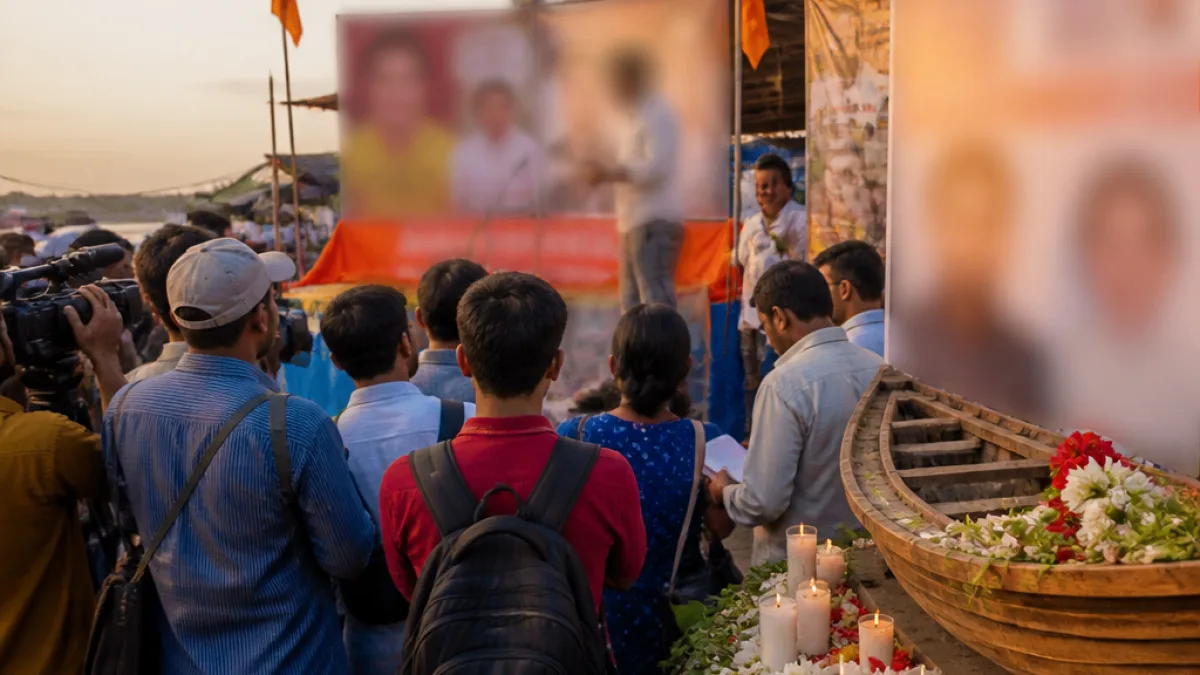
The remarks were made at a public event in Patna commemorating the 139th birth anniversary of Shri Krishna Singh, commonly known as Bihar Kesari and the state's first Chief Minister. The gathering attracted political leaders and local office-bearers; the comment quickly drew attention and prompted the swift response from state and national BJP leaders.
- Demand for apology: Bihar Chief Minister Samrat Choudhary urged an immediate and unconditional apology from Mallikarjun Kharge and Rahul Gandhi.
- National condemnation: Union Home Minister Amit Shah denounced the remark as a breach of decorum and cited past instances of abusive language by Congress.
- Party response: BJP spokesmen and MPs characterised the comment as symptomatic of Congress's frustration after electoral setbacks.
Reaction timeline
| Date | Action | Source |
|---|---|---|
| October 25, 2026 | Mallikarjun Kharge made remarks at Patna event marking Shri Krishna Singh's birth anniversary | Event reports |
| October 25, 2026 | Amit Shah condemned the remarks, citing breach of decorum | Social media post |
| October 25, 2026 | Bihar CM Samrat Choudhary demanded apology from Kharge and Rahul Gandhi | ANI |
| October 25, 2026 | BJP MP Sambit Patra criticised the comment at a press briefing | Press briefing reports |
Local political observers in Patna noted that such exchanges tend to escalate media attention and harden positions ahead of forthcoming electoral cycles. The incident underlines recurring tensions between the BJP and Congress at both national and state levels, with Bihar often a prominent stage for high-profile interventions by party leaders.
What to watch next
Key follow-ups will include whether the Congress leadership issues any clarification or apology and whether the BJP uses the episode to press for political advantage in Bihar. The reaction from the state government and party offices in Patna suggests the matter will remain in public discourse for the near term.
For residents and stakeholders concerned with political tone and public discourse, the episode is a reminder of increasingly personalised rhetoric in national politics and its spillover into state-level debates.