Silver rate snapshot for Bhagalpur
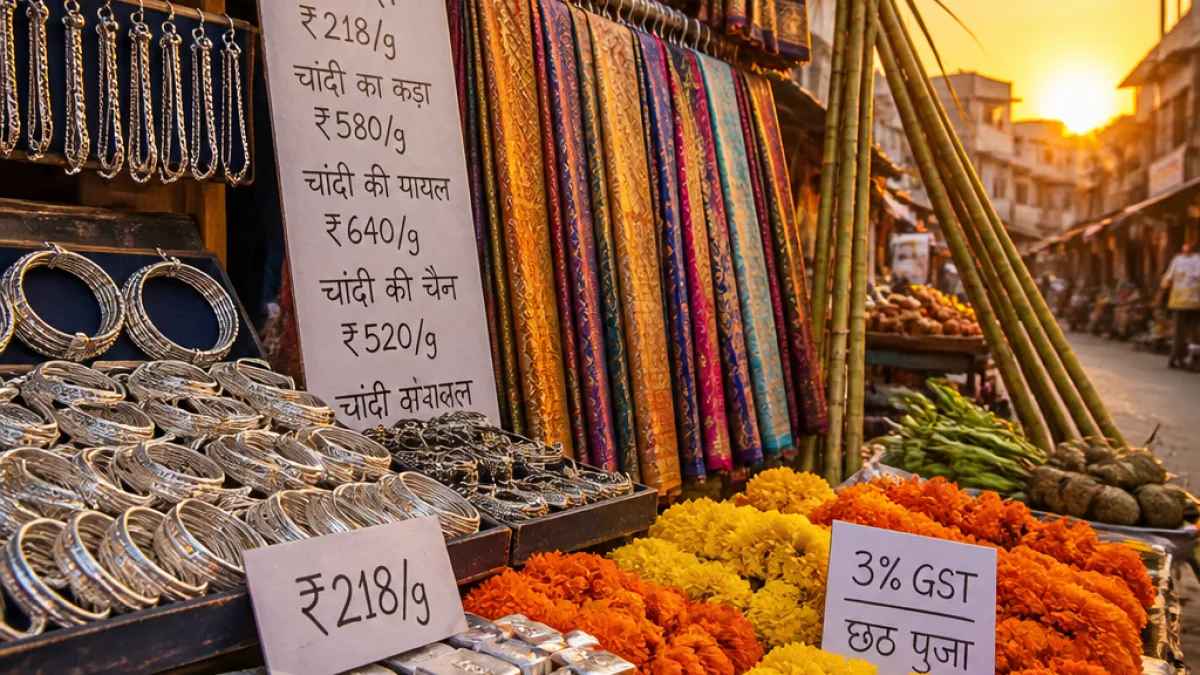
As of 19 October 2026, the retail silver rate in Bhagalpur stood at ₹218 per gram, which translates to ₹2,180 per 10 grams and ₹2,18,000 per kilogram, according to a ClearTax market compilation. Dealers and customers in Adampur and Nathnagar—two active local market hubs—are trading within these price points, with variations depending on purity, dealer charges and applicable taxes.
| Unit | Rate |
|---|---|
| 1 gram | ₹218 |
| 10 grams | ₹2,180 |
| 1 kilogram | ₹2,18,000 |
What determines the local price
Multiple factors combine to set the silver rate in Bhagalpur. ClearTax highlights the role of import-related costs, currency movement, taxes and local demand patterns. Notable determinants include:
- Import duties and global prices: India imports a substantial portion of its silver; hence global price trends and the rupee–dollar exchange feed directly into local base rates.
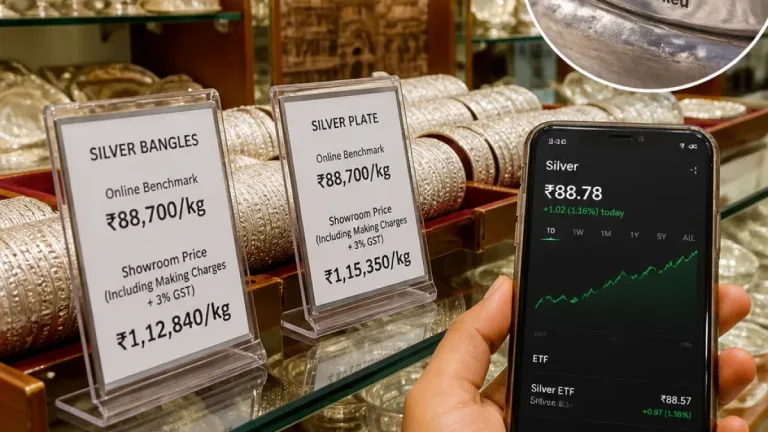
- GST: A 3% goods and services tax is added to the base price, affecting the final retail rate paid by buyers.
- Local market demand: Pilgrimage traffic, agricultural earnings cycles and trade activity in Bhagalpur sustain continuous retail demand.
- Industrial consumption: The city’s silk sector consumes silver in the form of fine-drawn zari for Tussar sarees, creating steady industrial demand.
“Silver rates may vary based on purity, market movements, demand, GST and dealer charges,”
Bhagalpur-specific drivers
ClearTax draws attention to aspects of Bhagalpur’s economy that give silver a distinctive local role. The city, known for its Tussar silk, incorporates silver-based zari in its handloom work, ensuring a baseline industrial consumption even when retail investment demand is muted. Seasonal patterns also matter: farmers commonly buy precious metals after harvests, while major festivals can cause sharp, short-term increases in retail demand.
One festival singled out is Chhath Puja, a major observance in Bihar. ClearTax notes that Chhath creates a spike in silver purchases, and such religious-season demand is a recurring feature of Bhagalpur’s precious-metals market. Meanwhile, everyday retail and trade activity in local markets such as Adampur and Nathnagar remains active without an unusual surge at the time of the price snapshot.
Silver and gold: mirror movements
Silver often follows the trajectory of gold in Bhagalpur because both metals are seen as safe-haven investments. When gold becomes relatively expensive, retail buyers and small investors tend to switch to silver as a more affordable store of value. That substitution effect helps sustain silver prices when gold rallies.
Beyond sentiment and substitution, the report reiterates that industrial usage—principally the silk and zari trade—keeps a portion of demand anchored regardless of short-term investment flows.
Implication for households and traders
For households planning purchases and local jewellers or zari suppliers negotiating procurement, the key takeaways from the market snapshot are the current price levels and the components that can alter them: global price shifts, currency movements, the 3% GST and dealer premium. Traders in Bhagalpur’s textile and jewellery supply chains will watch both festival calendars and international markets for signals that could move prices from the quoted ₹218 per gram.
Buyers should factor in purity and local dealer charges, which will affect the final price beyond the headline rates. Similarly, artisans and small-scale silk producers using silver thread should budget for the GST-inclusive procurement cost when planning production runs.
Local markets continue to function with steady demand from pilgrims, traders and farmers, while the city’s silk industry provides an industrial floor to silver consumption.