New corridor promises quicker access to Tricity and northern routes
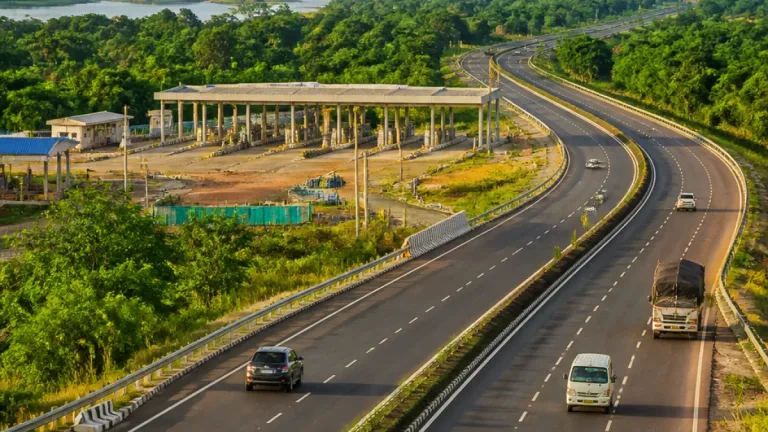
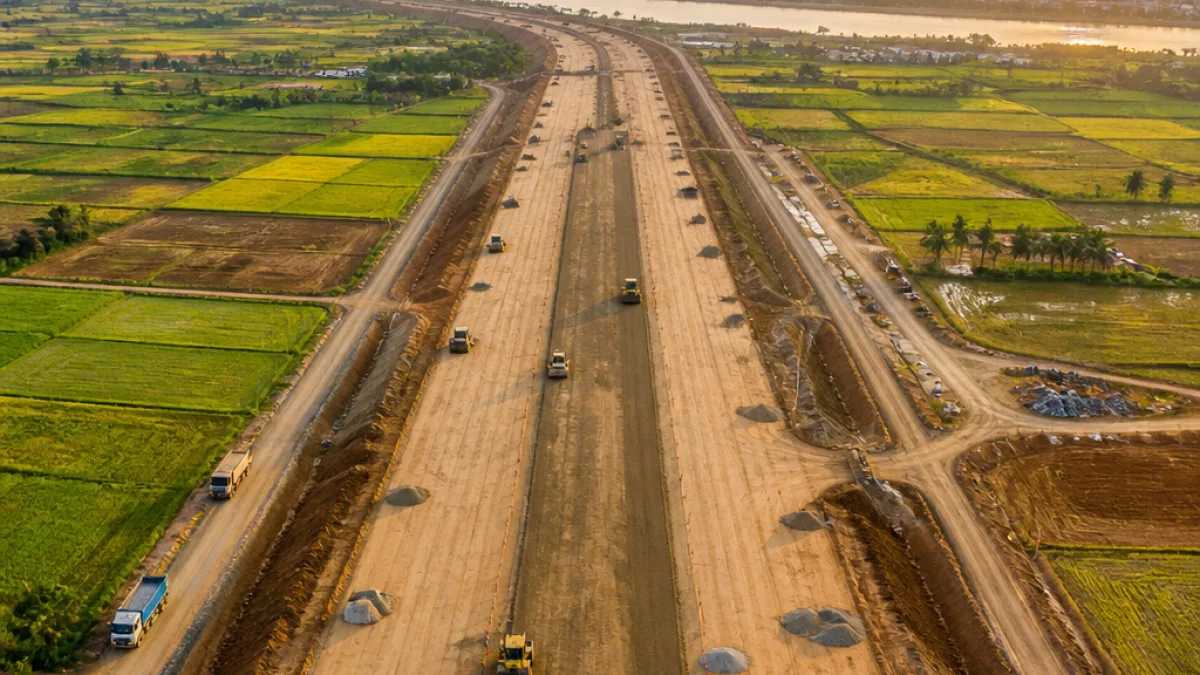
The first stretch of the Ambala–Chandigarh Greenfield Expressway, a 30-km six-lane section connecting Ambala with IT City Chowk in Mohali, is slated to open on 15 December, officials reported. The new segment is expected to provide an alternative to the existing urban routes through Zirakpur and Dera Bassi, reducing travel time between Delhi and Chandigarh by roughly 40–50 minutes.
Planners say the Ambala–Mohali link will integrate with the operational 31-km Mohali IT City–Kurali Greenfield Expressway, creating a continuous high-speed corridor that can serve both daily commuters and long-distance travellers heading towards Punjab and Himachal Pradesh.
What commuters will gain
Transport analysts expect several immediate benefits once the Ambala–Mohali stretch opens:
- Significant reduction in journey time for motorists travelling between Delhi and Chandigarh.
- Bypass of heavy urban traffic at Zirakpur and Dera Bassi, easing congestion on arterial roads.
- Improved access to Mohali’s IT hub and the area around Mohali International Airport.
For passengers bound for destinations beyond Chandigarh, the corridor should streamline onward travel. From the Kurali junction, motorists can proceed toward Rupnagar and Kiratpur and then continue to hill stations such as Shimla and Manali, or further north towards Jammu, by linking with the wider highway network.
Road design and operational links
The newly opened portion will be a six-lane, access-controlled carriageway designed to carry inter-city traffic while limiting local congestion. By dovetailing into the existing Mohali IT City–Kurali expressway, authorities aim to offer a largely uninterrupted route across the Ambala–Mohali–Kurali axis.
| Section | Length | Primary benefit |
|---|---|---|
| Ambala–Mohali | 30 km | Bypass Zirakpur/Dera Bassi; save 40–50 minutes |
| Mohali IT City–Kurali (existing) | 31 km | Connects to Rupnagar/Kiratpur routes |
Wider regional implications
Beyond individual journey-time savings, the corridor is expected to ease freight movement between Haryana and Punjab, potentially lowering logistics costs for businesses that depend on road transport. Enhanced access to Mohali’s IT cluster and the airport precinct may also support commuter flows and regional economic activity.
Public transport operators and private bus services are likely to evaluate route realignments to exploit the faster link. Local commuters, however, will be watching for details on entry and exit points, toll rates and service roads — factors that determine how much of the projected time savings materialise for day-to-day travel.
Questions to watch
Key operational details that will influence the corridor’s effectiveness include:
- Location of interchanges and access ramps for local traffic at Zirakpur, Dera Bassi and Mohali.
- Toll structure and hours of operation for different vehicle classes.
- Provision of service roads and connectivity for towns along the route to prevent isolation of local traffic.
Authorities have indicated the stretch will open on 15 December but have not yet published a detailed operations plan covering tolling, speed limits and phased traffic integration. Commuters are advised to look out for official notifications from the National Highways Authority and state transport departments in the coming weeks.
When fully operational and linked with the existing Mohali–Kurali expressway, the Ambala–Mohali section should deliver a faster, more predictable driving option between Delhi and Chandigarh, while opening a smoother corridor for travellers heading into Punjab and Himachal Pradesh.