
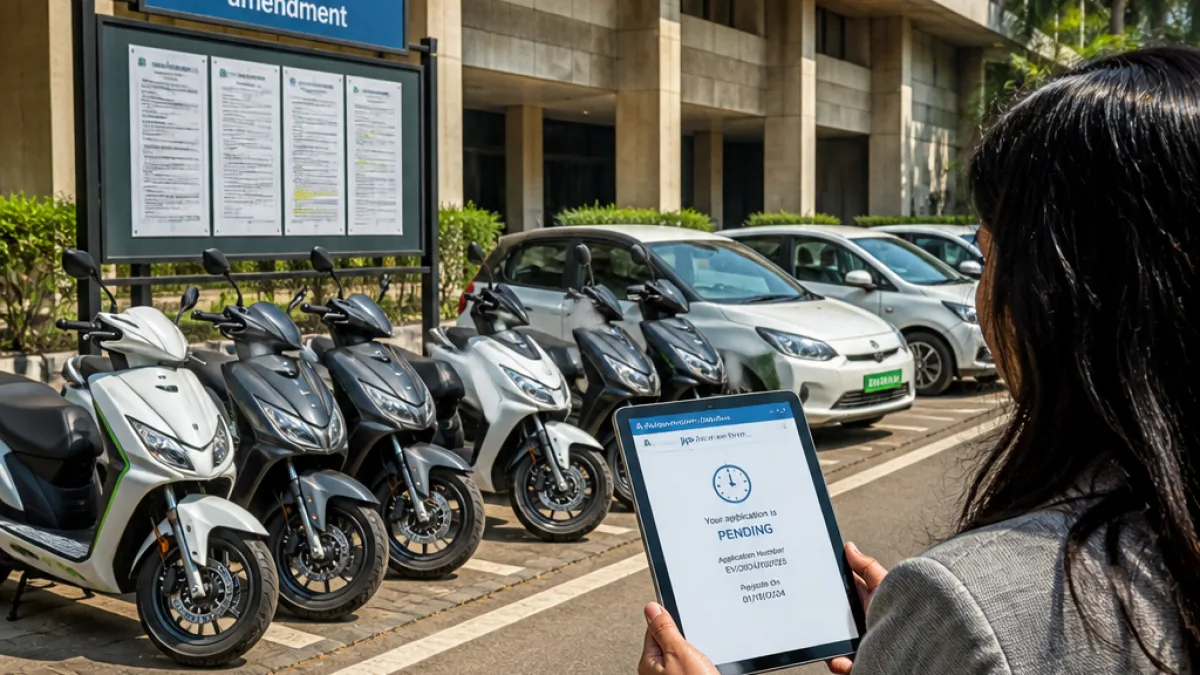
The Chandigarh Union Territory Administration has withdrawn the cash subsidy component introduced four years ago to encourage adoption of electric vehicles (EVs), officials said on Friday after issuing the fourth amendment to the Chandigarh EV Policy, 2022.
What the change means
Under the amended policy, buyers who purchase electric two-wheelers, three-wheelers, cars or other EVs after the amendment comes into force will not be eligible for the direct cash incentive that the UT had been offering. The Administration has clarified that claims already submitted on the official EV portal and currently pending will continue to be processed under the previous provisions.
"Applications for cash incentives already pending on the EV portal will continue to be processed," the Administration said.
Electric car buyers in Chandigarh had, in practice, not been receiving the cash subsidy for nearly one-and-a-half years earlier after the prescribed quota was exhausted, the Administration noted. The new amendment applies to future purchases; eligible applicants who have already filed claims will remain under a pending-applications category and be dealt with accordingly.
Background and context
The UT introduced the cash incentive about four years ago as part of its wider policy to promote electric mobility and reduce vehicular emissions. The EV Policy, 2022, set out subsidies and other measures to accelerate uptake, including support for charging infrastructure, preferential parking and purchase incentives.
Officials did not provide a revised incentive structure replacing the cash subsidy in the material made available to the media. The Administration’s statement focused on processing of earlier claims and the application of the amendment to future vehicle purchases.
Who is affected
- Prospective EV buyers who had planned to avail themselves of the cash subsidy will now not receive the direct financial incentive for purchases made after the amendment.
- Applicants with pending claims on the UT’s EV portal will have their applications processed under the previous scheme rules.
- Dealers and manufacturers operating in Chandigarh may see changes in demand patterns if direct purchase incentives are withdrawn, though the Administration has not quantified expected market impact.
Practical implications and steps for residents
Buyers who have already applied for the subsidy should monitor the EV portal for status updates and retain purchase invoices and application acknowledgements, the Administration advised by implication in its clarification. Prospective buyers should note that future purchases will not attract the cash subsidy, and should therefore factor this into affordability calculations and discussions with dealers.
Those seeking clarity on eligibility, timelines for processing pending applications, or details of any other non-cash measures under the EV policy are advised to consult the UT’s official transport or energy department portals for authoritative updates.
Summary of key points
| Item | Position after amendment |
|---|---|
| Cash subsidy for EV purchases | Withdrawn for future purchases |
| Pending applications on EV portal | Will be processed |
| Application to past purchases | Eligible claims already submitted remain under pending category |
The Administration’s move reflects a policy shift in Chandigarh’s approach to direct purchase incentives for electric mobility. While the immediate administrative position is clear on pending claims, the broader implications for EV adoption in the city — including whether the UT will enhance non-cash support such as charging infrastructure, preferential parking, or tax measures — remain to be specified by the authorities.
Residents and prospective EV buyers should watch the UT’s official channels for further notifications detailing any alternative incentives or support measures that may accompany the amended policy.












